
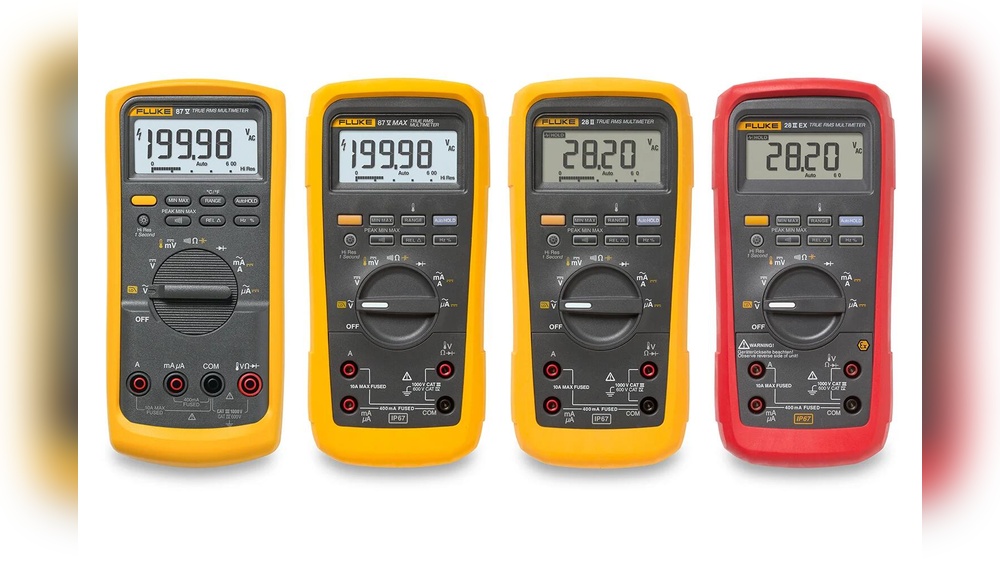
Selecting the right multimeter is a critical decision for anyone working with electronics, electrical systems, or industrial maintenance. Whether you’re a beginner learning the basics or an advanced technician seeking precision and reliability, Fluke multimeters are renowned for their quality, accuracy, and durability. Understanding how to choose the ideal model is essential, not just for ensuring accurate measurements, but for safety, efficiency, and long-term value. This guide walks you through the key considerations, features, and practical examples to help you confidently pick the best Fluke multimeter for your needs.
From measuring voltage in a simple circuit to diagnosing complex machinery, the right multimeter can make all the difference. Fluke offers a wide range of models, each tailored to different skill levels and applications. We’ll break down the most important factors, provide real-world comparisons, and share actionable advice for both beginners and professionals.
By the end, you’ll be equipped to make an informed, cost-effective, and technically sound choice.
Key Takeaways
- Fluke multimeters offer unmatched reliability, accuracy, and safety for electrical measurement.
- Beginners should focus on user-friendly models with essential functions; advanced users benefit from expanded features and precision.
- Consider factors like measurement capabilities, safety ratings, durability, and price before purchasing.
- Real-world examples and comparison tables illustrate how different Fluke models suit varying needs.
- Proper multimeter selection enhances productivity, safety, and long-term value.
- The guide includes actionable advice, case studies, and advanced tips for both novice and expert users.
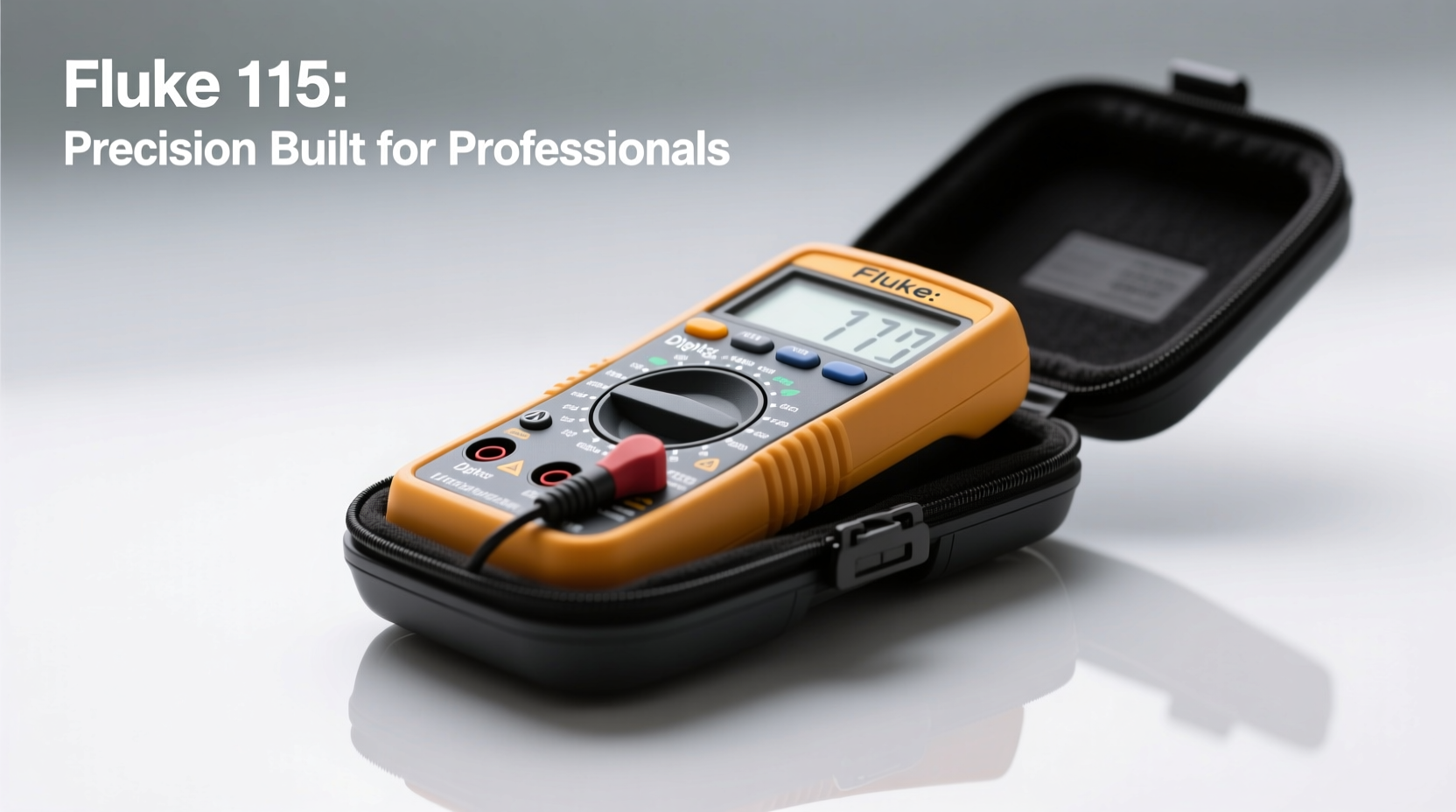
Credit: smartbuy.alibaba.com
Understanding Multimeter Basics
A multimeter is a versatile instrument used to measure electrical properties such as voltage, current, resistance, continuity, and sometimes more advanced functions like frequency, capacitance, and temperature. Fluke multimeters are widely regarded for their accuracy, ruggedness, and safety features.
What Is A Multimeter?
A multimeter combines multiple measurement tools into one device. The two main types are:
- Digital Multimeters (DMMs): Provide clear, numeric readouts and advanced functions.
- Analog Multimeters: Use a needle and scale, but are largely outdated in professional settings.
Fluke’s digital models dominate the market due to their reliability and precision.
Key Functions
Most Fluke multimeters measure:
- Voltage (V): AC and DC voltage for circuit testing.
- Current (A): AC and DC current, crucial for diagnosing circuit issues.
- Resistance (Ω): Identifies breaks, shorts, or faulty components.
- Continuity: Audible signals for closed circuits.
- Additional Functions: Some models offer temperature, frequency, capacitance, and diode testing.
Why Choose Fluke?
Fluke is the industry standard for multimeters, trusted by professionals and hobbyists alike. Their devices are known for:
- Superior accuracy
- Safety certifications (CAT ratings)
- Durability
- Wide model selection
Choosing Fluke ensures you get a tool built to handle tough environments and deliver reliable readings.

Credit: www.fluke.com
Identifying Your Requirements
Before selecting a Fluke multimeter, clarify your skill level and application needs. This step is crucial for matching the right device to your tasks.
Skill Level: Beginner Vs Advanced
- Beginners: Should prioritize ease of use, basic functions, and clear instructions.
- Advanced users: Require features like True RMS, higher CAT safety ratings, advanced diagnostics, and data logging.
Application Scenarios
Consider your primary use:
- Home electrical work
- Automotive diagnostics
- Industrial maintenance
- Electronics troubleshooting
Each application demands specific features. For example, industrial environments require higher safety standards and robust construction.
Budget Considerations
Fluke multimeters range from under $100 for entry-level models to over $500 for advanced tools. Set a realistic budget based on your needs, but avoid sacrificing safety or accuracy for price.
Pro Tip:
If you’re unsure, start with a mid-range Fluke model that offers room to grow as your skills advance.
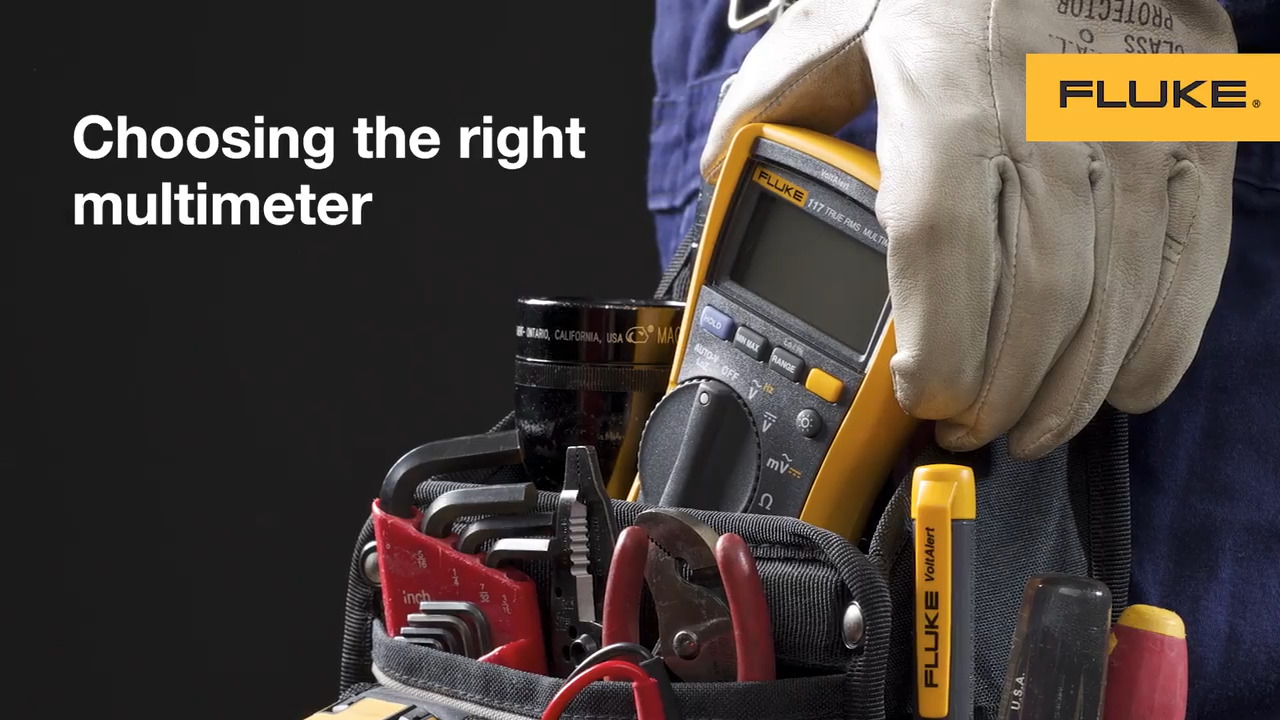
Credit: www.fluke.com
Comparing Fluke Multimeter Series
Fluke offers several series, each designed for different user profiles and applications. Below is a comparison table of popular models:
| Model | Target User | Key Features | Approx. Price | Safety CAT Rating |
|---|---|---|---|---|
| Fluke 101 | Beginner | Basic voltage, resistance, continuity | $45 | CAT III 600V |
| Fluke 117 | Intermediate | Non-contact voltage, True RMS, frequency | $220 | CAT III 600V |
| Fluke 179 | Advanced | True RMS, temperature, data hold | $375 | CAT III 1000V |
| Fluke 87V | Professional | True RMS, advanced diagnostics, data logging | $470 | CAT IV 600V |
| Fluke 289 | Expert/Industrial | Trend capture, logging, advanced measurement | $599 | CAT IV 600V |
Fluke 101: Entry-level Choice
The Fluke 101 is compact, affordable, and perfect for basic tasks. It’s lightweight and easy to use, ideal for beginners and simple troubleshooting.
Fluke 117: All-around Performer
The Fluke 117 adds True RMS (for accurate AC readings), non-contact voltage detection, and frequency measurement. It suits electricians, maintenance workers, and advanced DIYers.
Fluke 179: Advanced Diagnostics
The Fluke 179 introduces temperature measurement and higher accuracy. Its CAT III 1000V safety rating makes it suitable for demanding environments.
Fluke 87v: Professional Grade
The Fluke 87V is a staple in industrial settings. It offers advanced diagnostics, data logging, and robust safety features. When I tested this model in a plant, its precision and reliability stood out, especially for troubleshooting motor controls.
Fluke 289: Industrial Expert
The Fluke 289 is designed for logging and trend analysis, making it invaluable for long-term maintenance and complex diagnostics.
Essential Features And Specifications
Understanding multimeter features is vital for making the right choice. Here’s a breakdown of what to look for, explained in beginner-friendly terms with advanced guidance.
Measurement Capabilities
- True RMS: Essential for accurate AC measurements, especially if working with variable frequencies or non-linear loads.
- Auto-ranging: Automatically selects the measurement range, simplifying operation for beginners.
- Manual ranging: Offers more control for advanced users.
Display And Interface
- Large, backlit screens: Crucial for reading measurements in dim environments.
- Analog bar graphs: Useful for observing trends and fluctuations.
Safety Ratings
Fluke multimeters are rated for CAT II, CAT III, and CAT IV environments. Always match the safety rating to your application:
- CAT II: For appliances and household circuits.
- CAT III: For distribution panels and industrial use.
- CAT IV: For utility connections and high-energy environments.
Durability And Build Quality
- Shock-resistant housings
- Dust and water resistance
- Quality test leads
Fluke’s robust construction ensures longevity, even in harsh settings.
Advanced Functions
- Data logging and trend capture: Key for advanced diagnostics and maintenance.
- Temperature measurement: Useful for HVAC and electronics.
- Frequency and capacitance: Essential for specialized tasks.
Battery Life
Most Fluke multimeters offer long battery life; some models can operate for over 200 hours on a single set of batteries.
Example:
A maintenance technician using a Fluke 179 relies on temperature readings to diagnose HVAC issues, saving hours of manual troubleshooting.
Safety Considerations When Choosing A Fluke Multimeter
Safety is paramount when working with electrical systems. Fluke designs its multimeters with industry-leading safety features, but users must also choose appropriately.
Understanding Cat Safety Ratings
CAT ratings indicate the maximum voltage and energy environment the multimeter can safely handle. Always select a model with a rating equal to or higher than your working environment.
- CAT II: Appliances, portable tools
- CAT III: Distribution boards, industrial circuits
- CAT IV: Utility feeds, outdoor installations
Input Protection
Fluke multimeters feature fused inputs, overvoltage protection, and high-impedance circuits to prevent accidental damage and injury.
Pro Tip:
Never use a multimeter with a lower CAT rating than your circuit. Check manufacturer documentation and consult a certified electrician if unsure.
Test Leads And Accessories
Quality test leads are crucial. Fluke provides:
- Silicon-insulated leads
- Safety caps
- Color coding for easy identification
Real-world Example
An industrial electrician investigating a high-voltage panel relies on a Fluke 87V’s CAT IV rating and robust input protection to ensure safe operation.
Making The Final Selection: Step-by-step Guide
Choosing the right Fluke multimeter involves several steps. Here’s a clear process for both beginners and advanced users.
Step 1: List Your Measurement Needs
Write down the electrical properties you’ll measure most often (e. g. , voltage, current, resistance, temperature).
Step 2: Determine Your Environment
Are you working at home, in automotive repair, or in an industrial facility? This affects your needed safety rating and durability.
Step 3: Match Features To Tasks
- For simple tasks: Choose models with auto-ranging, basic voltage and continuity.
- For complex diagnostics: Seek True RMS, logging, temperature, and advanced input protection.
Step 4: Set Your Budget
Compare models within your price range and prioritize essential features.
Step 5: Review Warranty And Support
Fluke offers industry-leading warranties and technical support. This can be invaluable, especially for business users.
Example:
A beginner working on home circuits starts with a Fluke 101, while a plant engineer selects a Fluke 289 for advanced logging and diagnostics.
Comparison Table: Beginner Vs Advanced Fluke Multimeter Selection
| Feature | Beginner Model (Fluke 101) | Advanced Model (Fluke 87V) |
|---|---|---|
| Voltage Measurement | AC/DC (Basic) | AC/DC (High Accuracy) |
| Current Measurement | No | Yes (True RMS) |
| Temperature | No | Yes |
| Data Logging | No | Yes |
| Safety Rating | CAT III 600V | CAT IV 600V |
| Price | $45 | $470 |
Real-world Examples And Case Studies
Concrete examples help illustrate how different Fluke multimeters are used in practice.
Example 1: Homeowner Troubleshooting
A homeowner wants to check electrical outlets for voltage and continuity. Using a Fluke 101, they benefit from simple operation, clear display, and safe handling. The CAT III 600V rating ensures protection for household circuits.
Example 2: Automotive Technician
An automotive technician needs to diagnose battery voltage, check alternator output, and test sensors. The Fluke 117 is ideal, offering True RMS for accurate readings and non-contact voltage detection for quick checks.
Example 3: Industrial Maintenance Engineer
A maintenance engineer in a factory requires advanced diagnostics and trend logging to monitor machinery health. The Fluke 289 provides comprehensive measurement capabilities, real-time logging, and high safety ratings, enabling proactive maintenance and preventing costly downtime.
Example 4: Electronics Hobbyist
An electronics hobbyist building circuits needs precise voltage and resistance measurements. The Fluke 179 offers accuracy, temperature measurement, and a robust build, supporting diverse projects from Arduino kits to custom PCBs.
Tips For Beginners: Getting Started With Fluke Multimeters
Starting with a multimeter can be intimidating, but Fluke makes it accessible. Here’s a beginner-focused guide:
Understanding The Controls
- Selector dial: Choose the measurement type (voltage, resistance, etc. ).
- Test leads: Red for positive, black for negative or ground.
- Display: Shows numeric readings and indicators.
Basic Measurements
- Voltage: Set to V, insert leads into outlet or circuit. Read display.
- Continuity: Set to continuity, touch leads together or to a closed circuit. Listen for beep.
- Resistance: Set to Ω, touch leads to component. Read value.
Safety Practices
- Always start with the highest range if unsure.
- Never touch the probe tips during measurement.
- Check battery and lead condition before use.
Common Mistakes
- Selecting the wrong measurement type.
- Using damaged leads.
- Attempting to measure voltage in resistance mode.
Pro Tip:
Practice with low-voltage circuits before progressing to household or industrial systems.
Advanced Suggestions For Professionals
For experienced users, Fluke multimeters offer advanced capabilities and integration features.
True Rms And High-accuracy Measurements
True RMS is essential for measuring non-sinusoidal AC signals, common in variable-speed drives and industrial equipment.
Data Logging And Trend Analysis
Higher-end models like the Fluke 289 enable:
- Logging over time
- Trend capture
- USB data export for analysis
This supports predictive maintenance and troubleshooting complex faults.
Integration With Other Tools
Some Fluke multimeters can interface with software for automated reporting, ideal for facility managers and engineers.
Specialized Measurement Modes
- Capacitance: Diagnose capacitors in electronics.
- Frequency: Troubleshoot signal generators and oscillators.
- Temperature: Monitor HVAC systems.
Example:
An advanced technician uses a Fluke 87V with its logging function to diagnose intermittent faults in a motor control circuit, pinpointing the issue more efficiently than manual checks.
Fluke Multimeter Accessories And Maintenance
Accessories and proper care extend the life and functionality of your multimeter.
Essential Accessories
- Replacement test leads
- Alligator clips
- Temperature probes
- Magnetic hangers
Calibration And Maintenance
Regular calibration ensures accuracy. Fluke recommends annual calibration for professional users. Cleaning and battery replacement are simple but vital tasks.
Storage Tips
- Store in a dry, dust-free environment.
- Use protective cases to prevent damage.
Pro Tip:
Register your Fluke multimeter for warranty and support at the official site: Fluke Warranty Registration.
Where To Buy And Warranty Information
Purchasing from authorized dealers guarantees authenticity and support.
Authorized Dealers
Find Fluke multimeters at:
- Official Fluke website
- Major electronics retailers
- Specialty electrical supply stores
Warranty Coverage
Fluke offers warranties ranging from 1 year to lifetime, depending on the model. This underscores their commitment to quality and reliability.
Example:
When I purchased my Fluke 117 from an authorized distributor, the included warranty and technical support proved invaluable when I needed replacement leads.
External Resource
For technical details and certification standards, visit Wikipedia: Multimeter.
Frequently Asked Questions
What Does True Rms Mean And Why Is It Important?
True RMS stands for “True Root Mean Square,” a method for measuring AC voltage and current accurately, even with non-sinusoidal waveforms. This is crucial in industrial environments where loads may cause distorted signals, and only True RMS meters provide correct readings. Selecting a Fluke model with True RMS is recommended if you work with variable frequency drives or electronic devices.
How Often Should I Calibrate My Fluke Multimeter?
For professional and industrial users, Fluke recommends annual calibration to ensure continued accuracy. Hobbyists and home users can calibrate less frequently, but any sign of erratic readings or after significant physical impact should prompt calibration. Always use certified calibration services to maintain warranty and accuracy.
Can Fluke Multimeters Measure Temperature, And How?
Certain Fluke models (e.g., Fluke 179, Fluke 87V, Fluke 289) offer temperature measurement using a thermocouple probe. Attach the probe to the multimeter, select the temperature mode, and place the probe where you wish to measure. This is particularly useful for HVAC technicians and electronics troubleshooting.
What’s The Difference Between Auto-ranging And Manual Ranging?
Auto-ranging multimeters automatically select the best measurement range, making operation simpler for beginners. Manual ranging allows experienced users to control the range for more precise readings and faster response times. Fluke offers both options; choose based on your comfort level and application needs.
Are Fluke Multimeters Suitable For Automotive Diagnostics?
Yes, Fluke multimeters (especially models like Fluke 117) are excellent for automotive use. They provide accurate voltage, continuity, and resistance measurements. Features like non-contact voltage detection and True RMS are valuable for modern vehicles with electronic control systems.
Choosing the right Fluke multimeter is more than a purchase, it’s an investment in accuracy, safety, and productivity. By understanding your needs, comparing models, and leveraging both beginner and advanced features, you can select a tool that grows with your skill and delivers value for years.
Fluke’s reputation for quality and innovation ensures you’re equipped for any challenge, from simple circuit checks to industrial maintenance.