
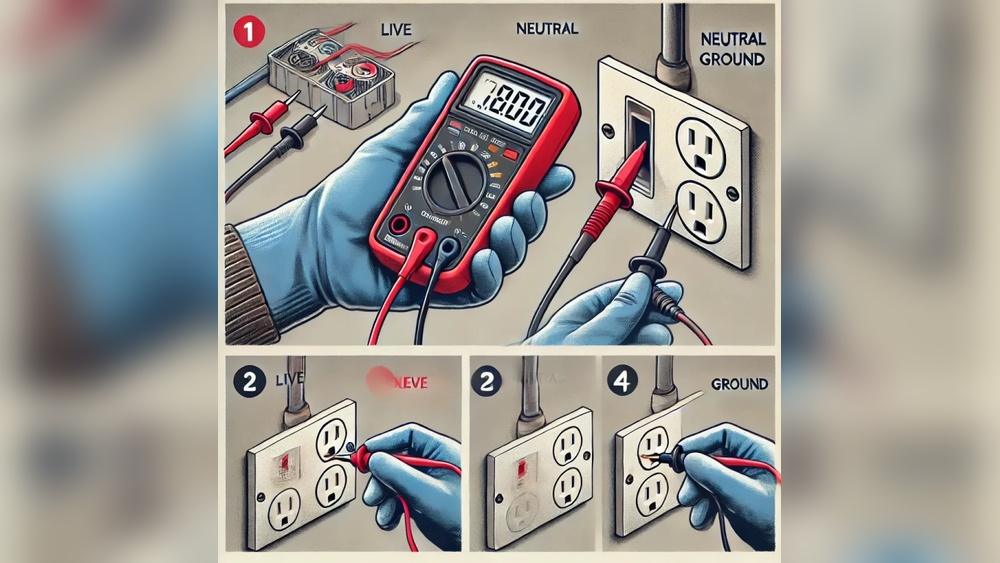
A multimeter is a staple in every electronics toolkit, prized for its versatility in measuring voltage, current, resistance, and more. However, even seasoned users sometimes overlook the crucial detail of the instrument’s limits. What actually happens if you overload a multimeter?
The consequences can range from minor inconvenience to serious safety risks, and understanding these outcomes is essential for everyone, from beginners just learning how to use a multimeter, to advanced technicians troubleshooting complex circuitry.
Many users may assume that a multimeter is robust enough to handle any scenario, but that’s a dangerous misconception. Overloading a multimeter, applying a voltage, current, or resistance beyond its rated capacity, can irreparably damage the device, compromise measurement accuracy, or even cause injury.
In my experience, the line between a safe measurement and a costly mistake is thinner than most realize. Whether you’re a hobbyist, student, or professional, grasping the risks and preventive strategies of multimeter overloading is critical for both your projects and your safety.
Key Takeaways
- Overloading a multimeter can result in blown fuses, damaged internal components, and potential safety hazards.
- Understanding multimeter ratings and specifications is essential for safe and accurate measurements.
- Signs of overload include error readings, physical damage, and in some cases, complete device failure.
- Both analog and digital multimeters have unique overload vulnerabilities, knowing the differences is vital.
- Adopting preventive practices and advanced protection techniques can extend your multimeter’s lifespan and ensure safe operation.
Credit: learn.sparkfun.com
What Does It Mean To Overload A Multimeter?
The Basics: Multimeter Limits Explained
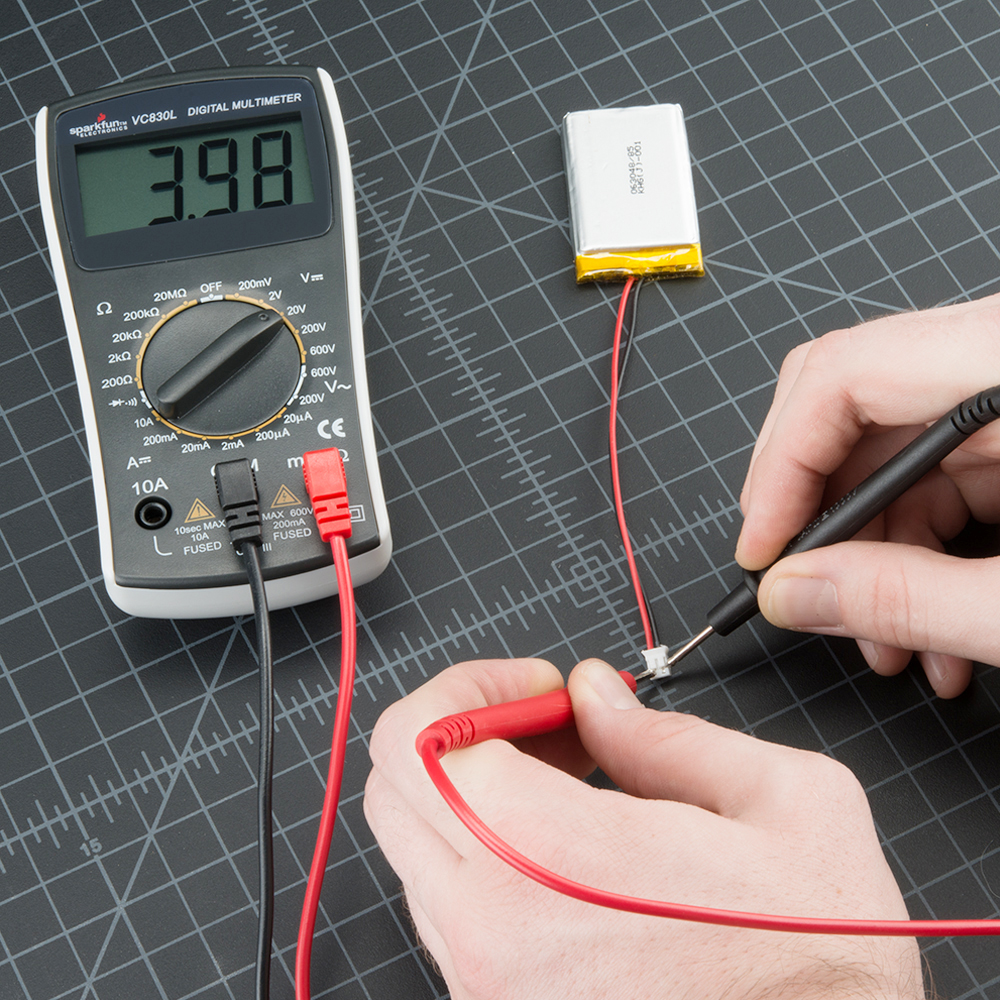
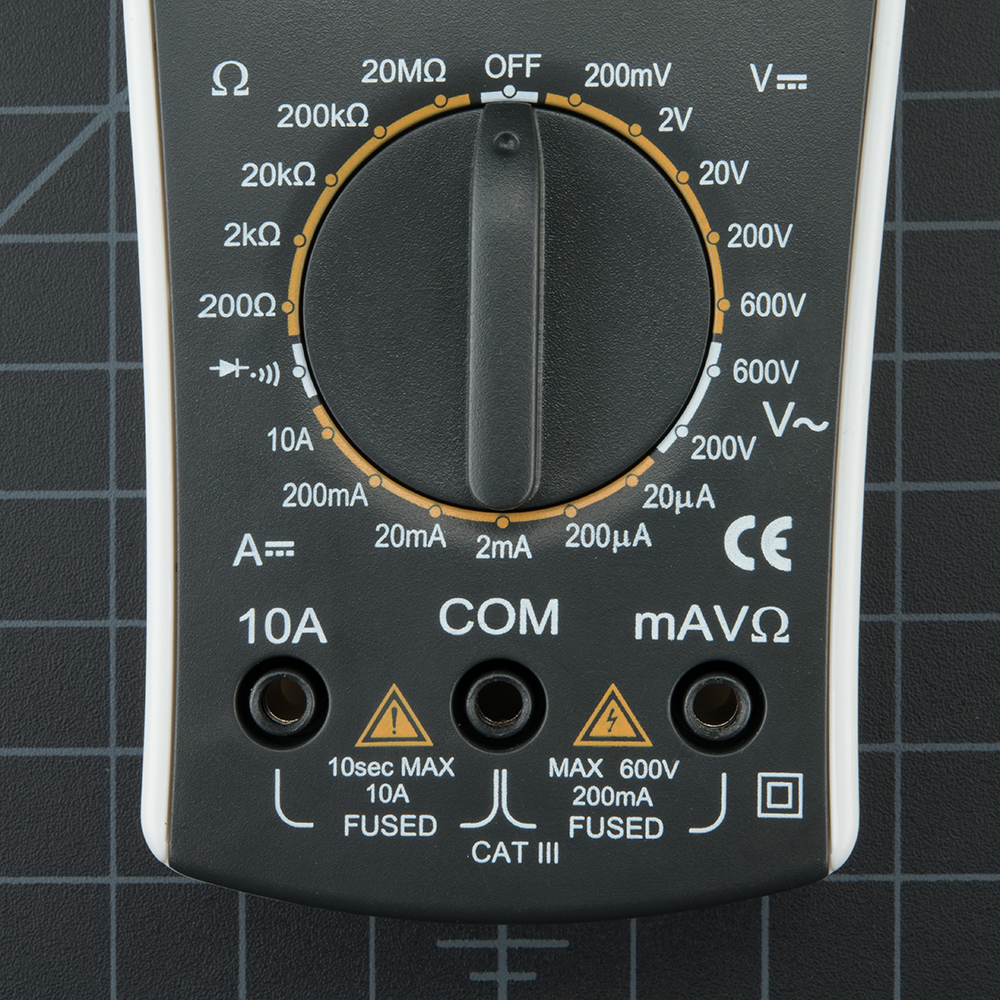
A multimeter, whether analog or digital, operates within specific electrical limits. These include maximum measurable voltage, current, and resistance, all of which are outlined in the device’s datasheet or printed on the casing. For example, a typical handheld digital multimeter may be rated for up to 600V AC/DC and 10A current. Exceeding these values constitutes overloading.
Types Of Overload: Voltage, Current, And Resistance
- Voltage Overload: Applying a voltage higher than the specified maximum can arc across internal components, damaging sensitive circuits or display modules.
- Current Overload: Passing too much current through the meter, especially in ammeter mode, is a common cause of blown internal fuses and heated traces.
- Resistance Overload: Attempting to measure resistance in a live circuit or one with voltage present can induce excessive current, jeopardizing the resistance measurement circuitry.
Real-world Example: Overloading In Practice
Suppose you set your multimeter to measure resistance and inadvertently probe a live 220V mains socket. The meter, expecting a low-voltage signal, is instead hit with full line voltage, this often results in catastrophic failure, including burnt PCB traces and destroyed displays.
Why Multimeter Ratings Matter
Ignoring manufacturer ratings doesn’t only risk the tool; it can also create personal safety hazards. Not all multimeters are designed for high-energy environments. CAT III or CAT IV ratings indicate suitability for industrial use, using a lower-rated meter in these conditions is a significant risk.
Credit: learn.sparkfun.com
The Immediate Consequences Of Overloading A Multimeter
Blown Fuses And Internal Circuit Breakers
Most quality multimeters feature internal fuses, especially on the current measurement ports. Overloading these inputs typically results in a blown fuse, which is a safety feature designed to protect the user and the device. Replacing the fuse is often straightforward, but persistent overloading can degrade the fuse holder or adjacent circuitry.
Permanent Damage To Internal Components
Overload situations can damage more than just fuses. SMD (surface-mount device) components, PCB traces, and even the LCD display can be destroyed by excessive voltage or current. In digital multimeters, microcontrollers and precision analog-to-digital converters are especially vulnerable.
Erroneous Readings And Loss Of Accuracy
Even if the multimeter appears functional after an overload, internal damage might result in inaccurate readings. This can be due to partially damaged protection diodes or resistors, leading to subtle but critical errors in measurement.
Physical Signs And Audible Cues
- Burnt smell or visible charring inside the case
- Cracked display or flickering readout
- Unresponsive buttons or dials
- Audible “pop” or snapping sound at the moment of overload
Example: Costly Overload Event
A professional technician attempting to measure current in a car’s alternator circuit with the range set too low experienced a blown fuse and damaged shunt resistor. The repair cost exceeded the price of a new multimeter, underscoring the importance of understanding and respecting instrument limits.

Credit: www.diyfixtool.com
How Multimeters Protect Themselves From Overload
Internal Fuses: The First Line Of Defense
Most digital multimeters include fast-blow fuses on the current input terminals. These are designed to interrupt excessive current before it reaches more sensitive internal circuits. Some advanced meters use specialized high-rupture capacity (HRC) fuses for better performance in industrial settings.
Movs And Tvs Diodes: Voltage Suppression
Metal Oxide Varistors (MOVs) and Transient Voltage Suppression (TVS) diodes are often used to absorb voltage spikes. In overload conditions, these components “clamp” excess voltage, sacrificing themselves to protect the rest of the circuitry.
Shunt Resistors And Thermal Cutoffs
Shunt resistors, used in current measurement, are rated to safely dissipate heat up to a certain point. Thermal cutoffs may be present to disconnect the circuit if overheating occurs, preventing thermal runaway or fire.
Comparison Table: Protection Features In Analog Vs. Digital Multimeters
| Protection Feature | Analog Multimeter | Digital Multimeter |
|---|---|---|
| Internal Fuse | Rarely Present | Commonly Present |
| MOV/TVS Protection | Not Typical | Often Included |
| Shunt Resistor | Standard | Standard |
| Thermal Cutoff | Rare | Occasionally Present |
| Overrange Warning | Analog Needle Pegs | Audible/Visual Alert |
Warning: Not All Multimeters Are Equally Protected
Budget or counterfeit meters may lack adequate overload protection, putting both the device and the user at risk. Always choose reputable brands and check for safety certifications such as UL, CE, or CAT ratings.
Symptoms And Diagnosis: How To Tell If You’ve Overloaded Your Multimeter
Immediate Error Indicators
- Display reads “OL” or “1” (overload indicator)
- Needle slams to end-stop on analog models
- No reading at all or frozen display
Physical Inspection Checklist
- Power off the multimeter and remove any test leads.
- Open the battery/fuse compartment.
- Inspect fuses for continuity using another multimeter.
- Look for burnt marks, melted plastic, or deformed components.
Advanced Diagnosis Techniques
For advanced users, desoldering and testing internal components (like MOVs or shunt resistors) may reveal subtle damage invisible to the naked eye. Using a second, known-good multimeter to cross-check readings can also help detect hidden faults.
Example: Diagnosing A Fault Post-overload
After an overload event, a student noticed resistance measurements were off by 10%. Upon inspection, a partially damaged input resistor was found to be the culprit, highlighting how even non-catastrophic overloads can degrade accuracy.
Risks And Dangers Of Overloading A Multimeter
Electrical Hazards To The User
The most serious risk is electric shock. If the multimeter’s protective features fail, high voltage can arc through the device to the user’s hand. According to the US Occupational Safety and Health Administration (OSHA), accidental contact with voltages above 50V poses a significant risk of injury.
Fire And Explosion Risks
Overloaded components can heat up rapidly, igniting plastic housings or causing batteries to vent or explode. In rare cases, particularly with high-energy circuits, this can lead to fire or property damage.
Instrument Damage And Lost Data
A destroyed multimeter may result in lost project data, downtime, or costly replacements. For professionals, this can mean missed deadlines or compromised safety audits.
Example: Safety Incident In The Field
An industrial electrician using an uncertified meter on a 480V panel experienced a catastrophic meter failure, resulting in minor burns. Post-incident analysis attributed the event to inadequate CAT rating and overloaded input jacks.
Psychological Impact For Beginners
For novices, accidentally damaging a multimeter can be discouraging and erode confidence. Recognizing that mistakes are part of the learning process, and knowing how to avoid repeating them, is crucial for skill development.
Preventing Multimeter Overload: Beginner Tips And Advanced Best Practices
Beginner-friendly Safety Steps
- Always start with the highest range and work downwards.
- Double-check that the meter is set to the correct mode (voltage, current, resistance).
- Inspect test leads for cracks or exposed wire before each use.
- Never attempt to measure resistance or continuity on a live circuit.
Advanced User Practices
- Use CAT-rated meters appropriate for the electrical environment.
- Implement external fuses or current limiters for added protection.
- Regularly calibrate your multimeter to ensure accuracy and catch subtle damage early.
- Upgrade to meters with auto-ranging and overload indication features for safer operation.
Maintenance And Care Checklist
- Replace blown fuses with the exact specified type, never bypass or “jumper” a fuse.
- Store the meter in a dry, dust-free environment.
- Replace test leads every 1-2 years or at the first sign of wear.
- Periodically test the meter’s accuracy using a known reference source.
Example: Routine That Prevents Overloads
An experienced technician shared that always selecting the maximum range before probing unknown circuits has prevented multiple overload incidents. This simple habit, taught to apprentices, significantly reduces risk for both the user and the tool.
Pro Tip: Use A Clamp Meter For High Current
For circuits expected to carry more than 10A, consider using a clamp meter. These devices measure current without breaking the circuit or exposing the meter’s internal components to overload conditions.
Case Studies: Real-world Overload Incidents And Lessons Learned
Case Study 1: Student Lab Blunder
A first-year electronics student, while measuring current on a breadboard, left the multimeter in the voltage mode and created a short circuit. The result was an immediate “pop” sound and a dead meter. The instructor used this as a teaching moment to emphasize the importance of mode selection and understanding the circuit before measuring.
Case Study 2: Industrial Overvoltage
A maintenance team in a factory used a basic multimeter to check for faults in a 600V electrical panel. The meter, rated for only 250V, failed catastrophically. Fortunately, the operator was wearing insulated gloves, but the incident led to an overhaul of tool selection and mandatory training on CAT ratings.
Case Study 3: Automotive Workshop Error
A mechanic attempted to measure the current draw of a starter motor, exceeding the 10A rating of the shop’s multimeter. The resulting overload blew the internal fuse and melted part of the test lead. The repair cost and downtime highlighted the need for specialized tools in automotive diagnostics.
Lessons Learned
- Always check meter ratings before use.
- Training and awareness are as important as the tool itself.
- Proper PPE (personal protective equipment) can mitigate injury even when mistakes happen.
Repairing And Recovering From Multimeter Overload
Safe Steps After An Overload Event
- Disconnect the meter from the circuit immediately.
- Power off the device and remove batteries.
- Inspect for visible damage.
- Replace any blown fuses with manufacturer-specified parts.
Diy Repairs: What’s Possible For Beginners
- Fuse replacement is usually within reach for most users.
- Test lead replacement is straightforward and inexpensive.
Advanced Repairs: For Experienced Users Only
- Desoldering and replacing damaged SMD components.
- Replacing burnt PCB traces or connectors.
- Calibrating the device post-repair to restore accuracy.
When To Replace Vs. Repair
If the cost or complexity of repairs exceeds half the price of a new, certified meter, replacement is usually the safer and more economical choice. Modern meters often have sealed or proprietary designs, making some repairs impractical.
Data Table: Common Multimeter Failures And Fixes
| Failure Mode | Likely Cause | Repair Approach | Skill Level |
|---|---|---|---|
| No Reading on Display | Blown Fuse | Replace Fuse | Beginner |
| Inaccurate Readings | Damaged Resistor or Shunt | Component Replacement | Advanced |
| Burnt Smell or Visible Damage | Overheated Components | Professional Repair/Replace | Advanced |
| Unresponsive Buttons | PCB Damage | Professional Repair/Replace | Advanced |
| Leads Melted | Excessive Current | Replace Leads | Beginner |
Example: Successful Repair Story
A hobbyist managed to revive a mid-range digital multimeter by identifying and replacing a blown fuse and a damaged input resistor. Calibration using a reference voltage source restored full functionality, saving money and providing a valuable learning experience.
Upgrading Your Approach: Choosing The Right Multimeter For Your Needs
Understanding Cat Ratings
CAT ratings (I-IV) define where and how a multimeter can be safely used. For example:
- CAT I: Electronics and protected low-energy circuits
- CAT II: Appliances, portable tools
- CAT III: Distribution panels, fixed installations
- CAT IV: Utility connections, outdoor lines
Choosing the appropriate CAT rating is essential for safety in high-energy environments.
Features For Overload Prevention
- Auto-ranging to minimize human error
- Overload alarms (audible or visual)
- High rupture capacity (HRC) fuses
- Backlit display for clear readings under stress
Price Vs. Protection Table
| Price Range | Protection Features | Recommended Use |
|---|---|---|
| Under $30 | Basic fuse, minimal surge protection | Hobbyists, low-voltage circuits |
| $30, $100 | Advanced fusing, MOVs, auto-ranging | Serious DIY, automotive, light industrial |
| $100+ | CERT, HRC fuses, CAT III/IV, alarms | Professional, industrial, utility |
Example: Upgrading For Safety
After repeated fuse failures, an electronics instructor switched to a CAT III-rated meter with auto-ranging and overload alerts. The investment improved both safety and teaching outcomes, reducing student mistakes and tool damage.
Where To Learn More
For further reading, the Fluke Safety Blog and Wikipedia’s Multimeter Entry offer in-depth technical and safety information.
Frequently Asked Questions
What Is The Most Common Cause Of Multimeter Overload?
The most frequent cause is attempting to measure current without moving the test leads to the correct input jack or exceeding the selected range. This mistake is common among beginners and can usually be prevented by carefully reviewing the device’s instructions before use.
Can Overloading A Multimeter Be Dangerous To Humans?
Yes, especially when measuring high-voltage circuits. If the meter’s protective features fail, it may expose the user to dangerous voltages, risking electric shock or burns. Always wear personal protective equipment and use appropriately rated meters for your environment.
How Do I Know If My Multimeter Fuse Is Blown, And Can I Replace It Myself?
A blown fuse often results in no readings or a consistent “0” when measuring current. Most multimeters allow easy fuse replacement, consult your user manual for the correct fuse type and replacement procedure. Never substitute with a different rating.
Are Expensive Multimeters Less Likely To Overload?
Premium meters often include better protection features, such as HRC fuses, MOVs, and advanced overload detection, but no meter is immune to improper use. Operator knowledge and safe practices are just as important as the tool’s quality.
Is It Ever Possible To Repair A Multimeter After A Severe Overload?
If only the fuse or test leads are damaged, repairs are usually simple. Severe overloads that destroy internal circuitry, however, may require professional repair or total replacement. If in doubt, consult the manufacturer or a certified repair technician.
When you understand both the basics and the advanced nuances of multimeter overload, you protect not just your equipment but also your safety and the success of your projects. Whether you’re just starting out or looking to deepen your expertise, always respect your instrument’s limits, follow best practices, and invest in quality tools.
With careful use and ongoing learning, a multimeter will remain a reliable companion in your electronics journey.