

Understanding The Purpose Of A Multimeter In Electrical Work
Electrical work, whether performed by beginners or seasoned professionals, demands precision, safety, and efficiency. One tool stands at the heart of these requirements: the multimeter. From residential wiring to complex industrial systems, multimeters empower users to measure, troubleshoot, and validate electrical circuits. Their versatility makes them indispensable for electricians, hobbyists, engineers, and anyone involved in electrical diagnostics.
Despite their ubiquity, the multimeter often intimidates newcomers. Its display, switches, and probes can seem complicated, yet mastering its use opens a gateway to diagnosing problems, confirming repairs, and maintaining electrical safety. This article explores the multimeter’s purpose, from foundational concepts to advanced applications, offering practical guidance and actionable insights for users at every skill level.

Credit: www.powerpartnermn.com
Key Takeaways
- Multimeters are essential for measuring voltage, current, and resistance in electrical circuits.
- They support both troubleshooting and preventive maintenance, enhancing safety and efficiency.
- Different types (analog, digital, clamp) suit varied tasks and environments.
- Beginners benefit from understanding basic measurements; advanced users leverage specialized functions.
- Proper use and safety precautions are crucial for reliable results and personal protection.
- Real-world examples demonstrate the multimeter’s role in both residential and industrial settings.
Credit: mtruhl.com
What Is A Multimeter? Fundamentals For Beginners
A multimeter is a handheld instrument designed to measure multiple electrical properties, primarily voltage, current, and resistance. Some advanced models include features for measuring capacitance, frequency, temperature, and more. Understanding the basics is the first step toward safe and effective electrical work.
Types Of Multimeters
1. Analog Multimeters
These use a moving needle and scale. While considered less accurate than digital models, analog multimeters excel at showing trends and fluctuations.
2. Digital Multimeters (dmms)
The most popular type, DMMs provide precise readings via a digital display. They often include additional functions like continuity testing and diode checks.
3. Clamp Meters
Specialized for measuring current without direct contact, clamp meters are invaluable for industrial or high-current environments.
| Type | Main Features | Best Use Cases |
|---|---|---|
| Analog | Needle display, trend visualization | Monitoring fluctuations, educational use |
| Digital | LCD display, multiple functions | Precision measurement, home and professional use |
| Clamp | Current measurement without circuit interruption | Industrial, high-current diagnostics |
Core Measurements
- Voltage (V): Measures electrical potential difference. Essential for checking outlets, batteries, and circuits.
- Current (A): Measures flow of electric charge. Used in motor diagnostics, circuit troubleshooting.
- Resistance (Ω): Measures opposition to current flow. Important for verifying components and wiring.
Basic Operation
For beginners, using a multimeter typically involves:
- Selecting the correct measurement mode (voltage, current, resistance).
- Inserting probes into the correct ports.
- Connecting probes to the circuit or component.
- Reading the value on the display.
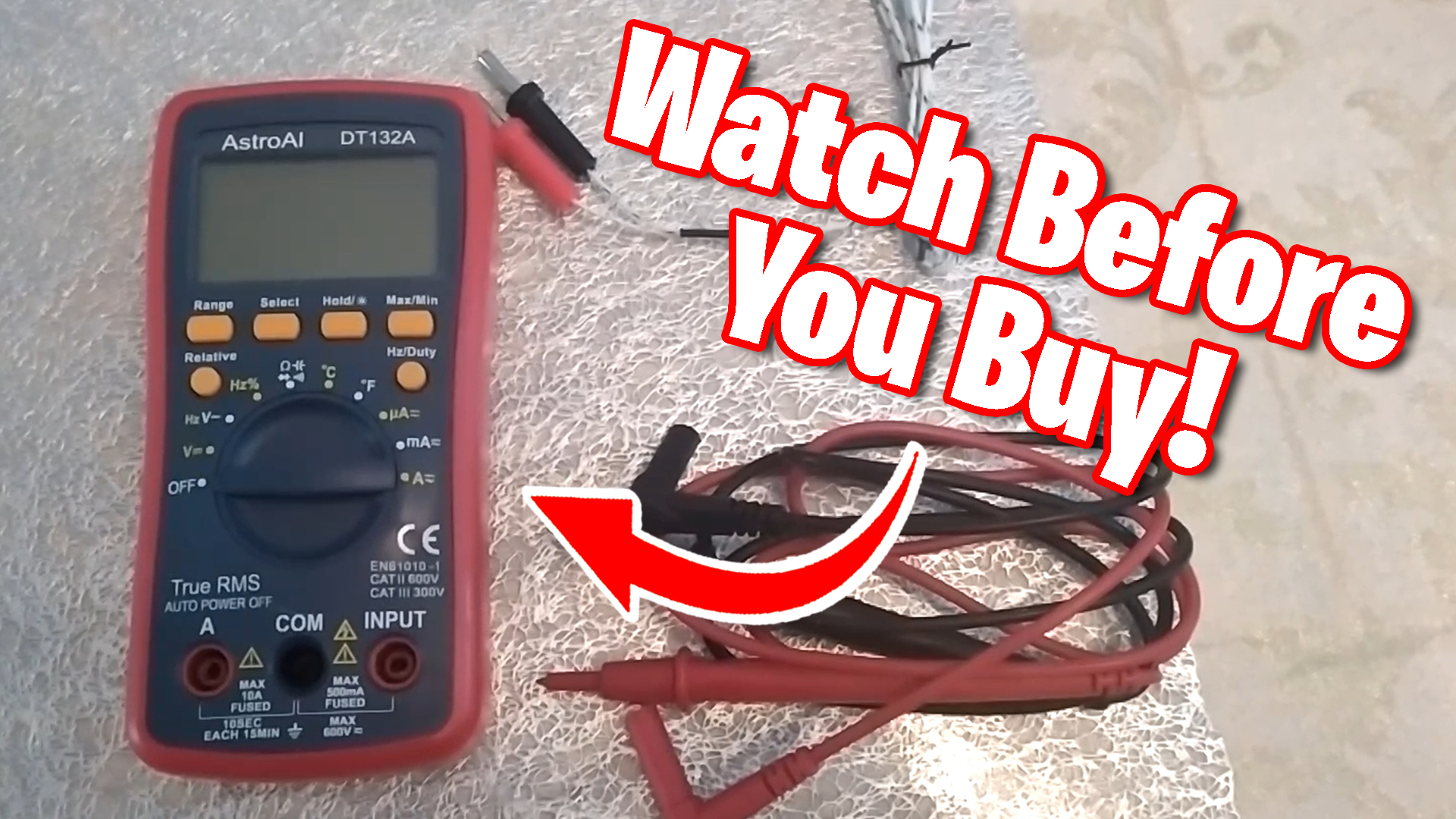
Pro Tip: Always start with the highest range setting if uncertain about the expected value, then adjust down for more precise readings.
Credit: www.amazon.com
How Multimeters Support Electrical Safety
Safety is paramount in electrical work. Multimeters play a crucial role by enabling users to verify voltage presence, detect faults, and prevent hazardous situations.
Verifying De-energized Circuits
Before performing repairs or modifications, electricians use a multimeter to confirm that circuits are not live. This prevents accidental shocks and injuries.
Identifying Faulty Components
A multimeter can quickly detect:
- Blown fuses
- Broken wires
- Short circuits
- Faulty switches
By measuring continuity or resistance, users isolate problems before they escalate.
Preventing Overloads
Measuring current flow ensures that circuits are not overloaded, which could otherwise lead to fires or equipment damage.
Personal Protection Practices
- Insulated probes and proper PPE (Personal Protective Equipment) reduce risk.
- Beginners should always double-check settings and connections.
- Advanced users employ multimeters rated for their voltage environment (e.g., CAT III or CAT IV).
Warning: Never measure resistance or continuity on a live circuit, doing so can damage the multimeter and pose a safety hazard.
Practical Applications: Multimeter Use Cases
Multimeters are employed in a wide range of tasks, from simple household troubleshooting to complex industrial diagnostics. Here are real-world examples illustrating their versatility.
Residential Electrical Work
Example:
A homeowner suspects a faulty outlet. Using a digital multimeter:
- Set to AC voltage mode.
- Insert probes into the outlet.
- Confirm voltage matches expected (usually 120V or 240V).
- If voltage is absent, check breaker or wiring.
Automotive Diagnostics
Example:
A car will not start. To diagnose:
- Set multimeter to DC voltage.
- Test battery terminals.
- If voltage is below 12.6V, battery may be discharged or faulty.
Industrial Equipment Maintenance
Example:
An industrial motor trips the circuit breaker. The technician:
- Uses a clamp meter to measure current draw.
- Compares reading to motor rating.
- Identifies excessive current, pointing to mechanical or electrical faults.
Electronic Component Testing
Example:
A hobbyist builds a circuit board. They:
- Check resistance across a resistor.
- Verify continuity in traces.
- Use diode mode to test LEDs and semiconductors.
Advanced Multimeter Functions And Techniques
As users gain experience, multimeters offer advanced capabilities that streamline diagnostics and maintenance.
Continuity Testing
This function emits a beep when a closed circuit is detected, crucial for identifying broken wires or solder joints.
- Useful for quickly verifying connections.
- Saves time compared to visual inspections.
Diode And Semiconductor Testing
Multimeters can test diodes and transistors, revealing forward voltage drops or open/short conditions.
- Set to diode mode.
- Place probes on component leads.
- Read voltage drop; compare to datasheet values.
Capacitance And Frequency Measurement
Advanced DMMs measure capacitance and frequency, supporting electronic repairs.
- Capacitor testing reveals faults in power supplies.
- Frequency measurement aids in signal analysis.
Data Logging And Connectivity
Some professional multimeters interface with computers or smartphones for data logging.
- Enables trend analysis and report generation.
- Useful for predictive maintenance and quality assurance.
Pro Tip: Invest in a multimeter with True RMS for accurate measurement of complex waveforms, especially in industrial environments.
Comparing Multimeter Features: Beginner Vs Advanced Models
Choosing the right multimeter depends on skill level, application, and budget. Below is a comparison of typical features.
| Feature | Beginner Model | Advanced Model |
|---|---|---|
| Measurement Types | Voltage, Current, Resistance | All basic + Capacitance, Frequency, Temperature |
| Display | Basic LCD | Backlit, graphical, higher resolution |
| Safety Ratings | CAT II | CAT III/IV |
| Connectivity | None | USB/Bluetooth, PC interface |
| Price Range | $20-$50 | $100-$500+ |
Beginner Suggestions
- Start with a basic digital multimeter.
- Prioritize ease of use, clear labeling, and safety certifications.
- Practice on low-voltage circuits.
Advanced Suggestions
- Select models with True RMS, higher safety ratings (CAT III/IV), and additional functions.
- Use data logging for complex diagnostics.
- Stay current with calibration and firmware updates.
Step-by-step Guide: Using A Multimeter Safely And Effectively
Mastering multimeter usage enhances both safety and diagnostic accuracy. Here’s a practical, step-by-step guide suitable for beginners, with advanced tips for seasoned users.
Preparing The Multimeter
- Inspect the device for damage or wear.
- Check battery status and replace if necessary.
- Confirm probes are rated for your environment.
Setting Up For Measurement
- Choose the measurement type (voltage, current, resistance).
- Set the range appropriately; use auto-range if available.
- Insert probes into correct ports (COM and VΩ or A).
Measuring Voltage
- Set to AC or DC voltage as required.
- Place probes across the component or circuit.
- Read value; compare to expected norms.
Warning: Never touch probe tips directly; always hold by insulated handles.
Measuring Current
- Switch to current mode.
- Break the circuit and insert multimeter in series.
- Read value.
Pro Tip: Use a clamp meter for high-current or industrial circuits to avoid disconnecting wires.
Measuring Resistance And Continuity
- Ensure circuit is de-energized.
- Set to resistance or continuity.
- Place probes across component.
- Read resistance or listen for continuity beep.
Advanced Tips
- Use min/max recording for fluctuating signals.
- Leverage hold function to freeze readings.
- For troubleshooting, systematically test each component in a suspected faulty circuit.
Example:
In my experience, confirming continuity before re-energizing a repaired circuit prevented an expensive equipment failure.
Troubleshooting Common Electrical Issues With A Multimeter
A multimeter is invaluable for pinpointing faults. Here’s how to address common scenarios.
Circuit Not Powering Up
- Measure voltage at power source and load.
- If voltage is missing, check fuses, breakers, wiring.
Flickering Lights
- Measure voltage at fixture.
- Check for loose connections or faulty switches.
Overheating Components
- Measure current draw against rated values.
- Investigate for short circuits or undersized wiring.
Equipment Not Responding
- Test for continuity across switches, relays, and connectors.
- Verify power supply voltage and ground connections.
Example:
A technician found a faulty relay by measuring voltage and continuity, saving hours of downtime.
Multimeter Maintenance And Calibration
Regular care ensures your multimeter remains accurate and safe.
Routine Maintenance
- Clean probes and contacts with alcohol wipes.
- Store multimeter in a dry, dust-free environment.
- Replace batteries and fuses as needed.
Calibration
Calibration maintains measurement accuracy, especially in professional settings.
- Follow manufacturer guidelines for calibration intervals.
- Use certified calibration labs or services.
- Record calibration dates and results.
Troubleshooting Multimeter Issues
- If readings seem off, check battery, probe integrity, and settings.
- For persistent errors, consult manual or manufacturer support.
Example:
A calibrated multimeter detected a subtle voltage drop missed by an uncalibrated unit, preventing incorrect repairs.
Multimeter Selection: What To Look For
Choosing a multimeter involves weighing features, quality, and budget. Here’s a guide to help beginners and advanced users alike.
Essential Features For Beginners
- Clear display and simple interface.
- Safety certifications (UL, CE, CAT ratings).
- Reliable brand reputation.
- Basic functions: Voltage, current, resistance, continuity.
Advanced Features For Professionals
- True RMS for AC measurements.
- Data logging and connectivity.
- Wide measurement ranges.
- Specialized modes (diode, capacitance, temperature).
Evaluating Brand And Build Quality
- Look for robust casing and insulated probes.
- Check reviews and recommendations from trusted sources.
- Consider warranty and service options.
Pro Tip: Refer to authoritative sources such as the Wikipedia Multimeter page for detailed specifications and guidance.
Safety Standards And Best Practices
Adherence to safety standards protects both users and equipment.
International Safety Standards
- IEC 61010 sets requirements for test equipment safety.
- Multimeters are rated by CAT levels (II-IV); higher levels support more demanding environments.
Best Practices
- Always check settings and probes before use.
- Never exceed rated voltage or current.
- Use insulated gloves and eye protection as needed.
- Do not use damaged probes or meters.
Training And Certification
- Beginners should seek formal instruction or mentorship.
- Professionals benefit from ongoing training and certification.
Example:
A certified electrician avoided a hazardous situation by recognizing a mismatched CAT rating before measuring industrial voltage.
Frequently Asked Questions
What Is The Difference Between Analog And Digital Multimeters?
Analog multimeters display readings via a moving needle, making it easier to observe gradual changes or trends. Digital multimeters, on the other hand, offer higher precision with numerical readings on an LCD. Digital models often include advanced features such as auto-ranging, continuity beeps, and data logging, making them more versatile and user-friendly for most applications.
Can I Use A Multimeter To Test Home Appliances?
Yes, a multimeter can safely test home appliances for voltage, resistance, and sometimes current. To do so, first ensure you understand the appliance’s rated voltage and follow proper safety protocols. For example, you can measure the voltage at an outlet or check a fuse in a microwave.
However, avoid measuring high current directly unless you’re using a clamp meter and are confident in your skills.
How Often Should A Multimeter Be Calibrated?
Calibration frequency depends on usage and environment. For hobbyist or home use, annual calibration is sufficient. Professionals in industrial or laboratory settings should calibrate every 6, 12 months, or as recommended by the manufacturer. Regular calibration ensures accuracy and reliability, especially when making critical measurements.
What Safety Precautions Should I Follow When Using A Multimeter?
Always start by inspecting the multimeter and probes for damage. Use appropriate personal protective equipment, such as insulated gloves and safety glasses. Never measure resistance or continuity in a live circuit, and always confirm the multimeter’s settings before connecting to a circuit.
For high-voltage or industrial environments, use meters rated for the appropriate CAT level and follow established safety standards.
Are There Specialized Multimeters For Specific Industries?
Yes, industries like automotive, HVAC, and telecommunications often use specialized multimeters. Automotive meters may include functions for RPM or temperature; HVAC meters offer capacitance and temperature measurement; telecom meters provide high-frequency and signal analysis. Choosing the right model for your industry ensures both safety and effective troubleshooting. For detailed specifications, consult industry standards or the Fluke Digital Multimeter Guide.
Electrical work without a multimeter is like navigating in the dark. Whether you’re a beginner learning to test batteries or a professional diagnosing complex systems, understanding the multimeter’s purpose and mastering its functions are foundational skills. By combining careful selection, regular maintenance, and adherence to safety standards, you ensure reliable results and a safer working environment.
As you gain experience, advanced features unlock deeper diagnostic capabilities, making the multimeter a lifelong companion for anyone serious about electrical work.