
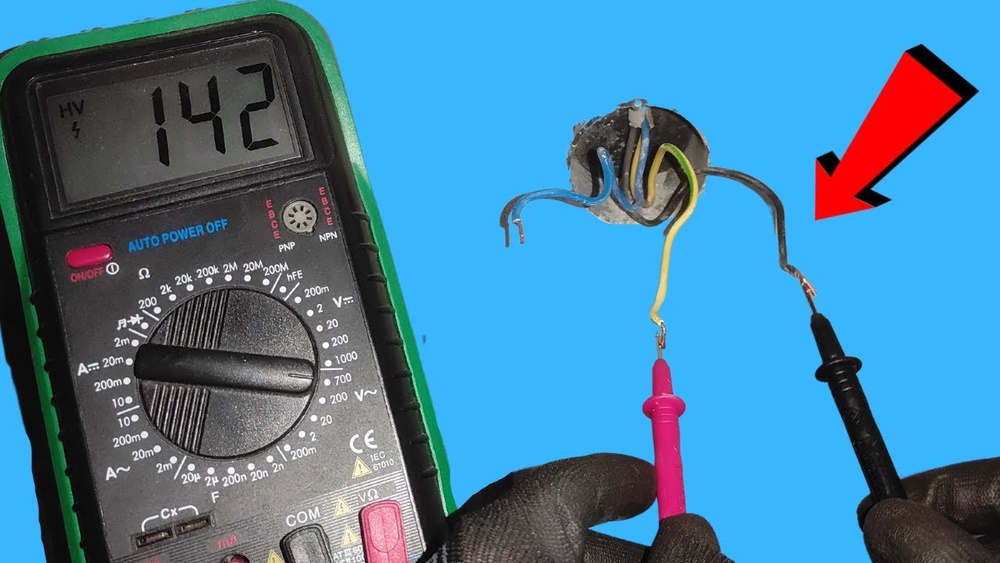
When working with electricity, few tools are as indispensable as the multimeter. Whether you’re a novice learning to test household outlets or a seasoned technician troubleshooting complex circuits, the question inevitably arises: Can you use a multimeter on a live wire? This is a critical topic, as the answer not only determines the accuracy of your measurements, but also your safety. Misusing a multimeter, especially around live circuits, can lead to injury, equipment damage, or even fatal accidents.
Understanding how and when to use a multimeter on live wires is essential for anyone dealing with electrical systems. This guide delivers a comprehensive, beginner-friendly explanation, while also offering advanced insights for experienced users. We’ll break down the science, best practices, and safety precautions you need to know, demystifying the process so you can work confidently and safely, regardless of your experience level.
Key Takeaways
- Multimeters can be used on live wires, but only for certain tests (voltage, not resistance or continuity), and strict safety protocols must be followed.
- Personal safety and equipment ratings are crucial: Always use properly rated tools and personal protective equipment (PPE).
- Understanding multimeter settings is essential, incorrect settings can damage the device or cause harm.
- Common mistakes include using the wrong function or ignoring insulation requirements, both of which can be dangerous.
- Real-world examples and case studies highlight both best practices and the consequences of misuse.
- Advanced tips help seasoned users optimize accuracy and efficiency when testing live circuits.

Credit: www.youtube.com
Understanding Multimeters: Fundamentals For Beginners And Beyond
Multimeters, also known as volt/ohm meters or VOMs, are versatile tools designed to measure electrical properties such as voltage, current, and resistance. They come in two main types: analog and digital. Digital multimeters (DMMs) are now standard due to their accuracy and ease of use.
Basic Functions Of A Multimeter
A typical digital multimeter can perform several functions:
- Voltage Measurement (AC/DC): Detects electrical potential difference between two points.
- Current Measurement (Amperes): Measures the flow of electric charge.
- Resistance Measurement (Ohms): Checks how much a component resists the flow of current.
- Continuity Test: Verifies if a circuit is complete, often with an audible beep.
- Diode Test: Checks the health and directionality of diodes.
Each of these functions requires setting the multimeter to the correct mode. For live wires, only voltage and sometimes current measurements are appropriate; resistance and continuity tests must never be performed on a live circuit.
How Multimeters Interact With Live Wires
A live wire carries voltage relative to earth ground. When you measure voltage, you are comparing the electrical potential between the live wire and another point (usually neutral or ground).
- Live Testing: Measuring AC voltage in outlets, switches, or panels.
- Dead Testing: Measuring resistance, continuity, or diodes, only when the power is off.
Warning: Attempting resistance or continuity measurements on a live wire can instantly damage the multimeter and pose a serious shock hazard.
Multimeter Safety Ratings Explained
Multimeters are rated for safety according to IEC 61010 standards, separated into four categories:
| Category | Application | Examples |
|---|---|---|
| CAT I | Electronic devices (protected circuits) | TVs, computers |
| CAT II | Single-phase appliances (local-level) | Home outlets |
| CAT III | Distribution circuits (fixed installations) | Breaker panels |
| CAT IV | Origin of installation (utility connection) | Electric meters, service entrances |
Always ensure your multimeter’s category matches or exceeds the environment you’re testing.

Credit: www.youtube.com
When And How To Use A Multimeter On Live Wires
Using a multimeter on live wires is often necessary for diagnosing power issues, verifying voltage, or troubleshooting faults. However, the correct procedure and safety measures are non-negotiable.
Voltage Measurement: The Primary Live Test
The most common scenario for using a multimeter on a live wire is to measure voltage. This is safe when performed correctly:
- Select the Voltage Setting: Set your multimeter to the appropriate AC or DC voltage mode. Most home wiring is AC.
- Insert Probes: Plug the black probe into the COM (common) port and the red probe into the VΩmA port.
- Test Points: Touch the black probe to ground or neutral, and the red probe to the live wire.
- Read Display: The digital display shows the voltage present.
Example: Testing a standard US wall outlet should yield approximately 120V AC between hot (live) and neutral.
Current Measurement: Only In Series
Measuring current (amperes) on a live circuit is riskier and requires the circuit to be opened so the meter can be inserted in series. For household circuits, this is rarely needed and can be hazardous for beginners.
- Pro Tip: Use a clamp meter (a type of multimeter with a current transformer clamp) for non-invasive current measurements on live wires.
What You Should Never Do On A Live Wire
- Never measure resistance or continuity on a live circuit. This can cause severe damage to the meter and endanger the user.
- Avoid changing settings while connected to a live circuit. Always disconnect the probes first.
Step-by-step Guide: Measuring Voltage On A Live Wire
- Turn the dial to AC voltage (V~).
- Put on PPE: At a minimum, wear insulated gloves and safety glasses.
- Inspect the meter and leads: Look for cracks, exposed metal, or damaged insulation.
- Connect the probes: Black to COM, red to VΩ.
- Hold the probes with one hand (to reduce the risk of a current path across your chest).
- Touch probes to test points: Live (red) and neutral/ground (black).
- Read and record the voltage.
- Remove probes, turn off the multimeter.
Warning: Never touch the metal part of the probes when testing live circuits.
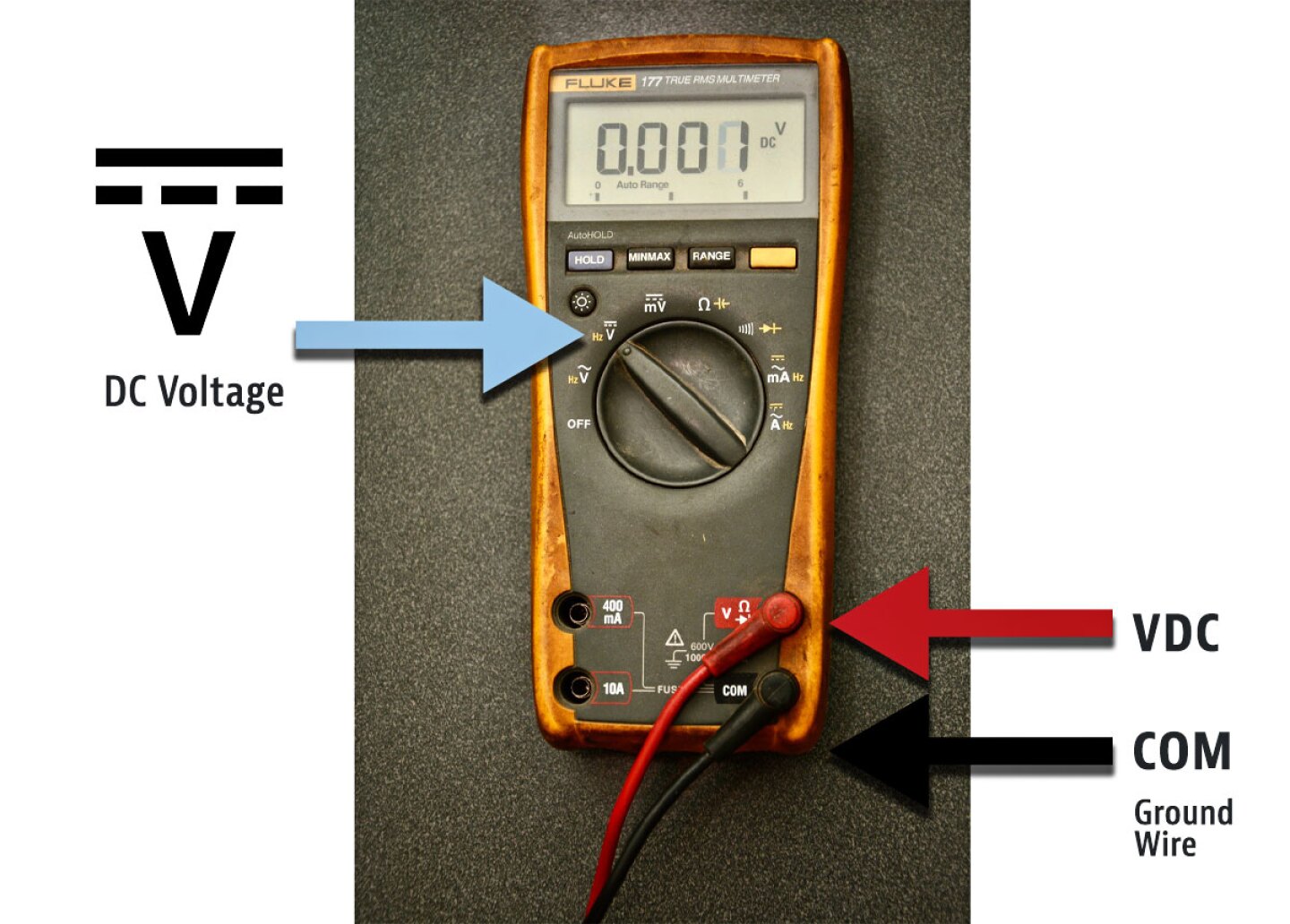
Credit: www.agweb.com
Safety Precautions And Best Practices
Working with live wires is inherently dangerous. Adhering to best safety practices is not optional, it’s a requirement.
Personal Protective Equipment (ppe)
- Insulated gloves: Rated for the voltage you’re testing.
- Safety glasses: Protect against arc flash or flying debris.
- Non-conductive footwear: Reduces risk of grounding yourself.
Multimeter And Probe Selection
- Category rating: Use a meter rated for at least CAT II (home circuits) or CAT III (industrial/distribution).
- Probe quality: Use probes with finger guards and intact insulation.
- Fused meters: Prefer multimeters with internal fuses for added protection.
Environmental Awareness
- Dry conditions: Moisture increases shock risk.
- No metal jewelry: Remove rings, watches, and bracelets.
- Stand on an insulated mat when possible.
Common Mistakes To Avoid
- Measuring resistance on live circuits
- Holding both probes in one hand (use one hand to minimize risk)
- Exceeding the meter’s rated voltage or current
Example: A 2018 report by the Electrical Safety Foundation International noted that improper tool selection and lack of PPE were major contributors to workplace electrical injuries.
Emergency Procedures
- Know the location of circuit breakers: You should be able to shut off power quickly if needed.
- Keep a first aid kit nearby
- Have a partner present: For high-voltage work, never work alone.
Advanced Multimeter Techniques For Live Wire Testing
For those with experience, multimeters offer advanced functions and troubleshooting capabilities. Proper technique enhances both safety and accuracy.
Using A Clamp Meter For Live Current Measurement
A clamp meter allows non-contact current measurement by clamping around a live conductor. This technique is invaluable for:
- Tracing current flow in complex panels
- Measuring high currents safely
- Diagnosing overloaded circuits
Pro Tip: Always zero the clamp before measurement and ensure the conductor is centered within the clamp for best accuracy.
Measuring Three-phase Systems
Commercial and industrial environments use three-phase power. Measuring voltage between phases or from phase to ground requires:
- A CAT III or CAT IV meter
- Understanding phase labeling (L1, L2, L3)
- Proper sequencing: Always connect the common probe first, and disconnect it last.
Detecting Ghost Voltages
Capacitively coupled voltages (ghost voltages) can appear on disconnected wires. Use a low-impedance (LoZ) mode, if available, to eliminate false readings.
- Example: When troubleshooting a de-energized circuit, a standard high-impedance meter might show 30V AC due to ghost voltage. Switching to LoZ mode should drop the reading to near zero if the circuit is truly de-energized.
Data Logging And Remote Monitoring
Some advanced multimeters can log voltage changes or transmit data wirelessly to a mobile device. This is especially useful in:
- Long-term troubleshooting
- Recording voltage drops under load
- Remote monitoring in hazardous locations
Example: During facility maintenance, logging voltage fluctuations helped identify a failing transformer that only faulted intermittently.
Real-world Examples And Case Studies
Learning from practical situations brings clarity to theory. Here are some cases illustrating the right and wrong ways to use a multimeter on live wires.
Example 1: Diagnosing A Dead Outlet
A homeowner suspects a faulty outlet after their lamp won’t turn on. Using a DMM set to AC voltage, they:
- Insert the black probe into the neutral slot and the red probe into the hot slot.
- The display shows 0V, confirming the outlet is dead.
- Further testing reveals a tripped breaker.
Lesson: Proper use of the multimeter on a live circuit quickly identifies the issue.
Example 2: Avoiding A Dangerous Mistake
An apprentice electrician attempts to measure resistance across a light switch without turning off the breaker. The meter arcs and is destroyed.
Lesson: Measuring resistance on a live wire is dangerous and can ruin the tool.
Example 3: Advanced Industrial Application
A maintenance technician uses a CAT III multimeter and PPE to test for voltage presence in an industrial panel. After confirming the panel is live, they use a clamp meter to measure current draw, identifying an overloaded branch that needs attention.
Lesson: Appropriate equipment, technique, and safety awareness are vital for complex systems.
Comparison Table: Safe Vs Unsafe Multimeter Actions
| Action | Safe on Live Wire? | Notes |
|---|---|---|
| Measuring AC Voltage | Yes | Set to correct voltage range, use PPE |
| Measuring DC Voltage | Yes | Check for correct polarity |
| Measuring Resistance | No | Turn off circuit first |
| Measuring Continuity | No | Always test on a dead circuit |
| Using a Clamp Meter for Current | Yes | Non-contact, safer for high current |
Choosing The Right Multimeter For Live Wire Work
Not all multimeters are created equal. Your choice of tool impacts both safety and effectiveness.
Multimeter Features To Consider
- CAT II, III, or IV rating: Match the environment.
- Auto-ranging: Reduces user error.
- Backlit display: Essential for dark panels.
- True RMS: For accurate AC measurements on non-sinusoidal loads.
- Fused inputs: Limits damage from overloads.
Cost Vs. Safety: Is It Worth It?
While budget meters may suffice for simple, low-voltage tasks, investing in a quality, safety-rated meter is critical for regular work on live circuits.
| Feature | Entry-Level Meter | Professional-Grade Meter |
|---|---|---|
| Safety Category | CAT I or II | CAT III or IV |
| Fused Inputs | No | Yes |
| Auto-ranging | Sometimes | Yes |
| True RMS | No | Yes |
| Typical Price | $20, $50 | $100, $400 |
Pro Tip: For frequent or industrial use, a professional-grade meter from a trusted brand (like Fluke or Klein Tools) is a smart investment in your safety.
Recommended Brands And Models
- Fluke 117 Electrician’s Multimeter: CAT III 600V, non-contact voltage detection.
- Klein Tools MM6000: CAT IV 600V, auto-ranging, data logging.
- Amprobe AM-570: True RMS, CAT III 600V, temperature function.
For more detailed product comparisons, refer to authoritative guides such as the Wikipedia multimeter article.
Step-by-step Troubleshooting Examples
Understanding theory is important, but applying it in real scenarios cements knowledge. Here are step-by-step troubleshooting guides for common live wire situations.
Testing A Live Light Switch
- Set the multimeter to AC voltage.
- Carefully remove the switch cover.
- With the switch in the ON position, touch one probe to the incoming (line) terminal and the other to ground.
- A reading near 120V indicates the line is live.
- Test the load terminal in the same way; if the switch is ON, it should also show 120V.
Identifying A Faulty Breaker
- Switch the multimeter to AC voltage.
- Open the panel, observing all safety precautions.
- Touch the black probe to the panel’s ground bar and the red probe to the suspect breaker’s output terminal.
- A reading of 0V means the breaker is tripped or faulty.
Warning: Only trained individuals should open electrical panels. If you are uncertain, consult a licensed electrician.
Verifying Power At An Appliance
- Unplug the appliance.
- Set the meter to AC voltage.
- Insert the probes into the wall outlet slots (hot and neutral).
- A reading of 120V confirms the outlet is live and the appliance is likely at fault.
Common Pitfalls And How To Avoid Them
Even experienced users can make mistakes. Recognizing and addressing common pitfalls will keep you safe and your tools intact.
Misidentifying Circuit Status
Assuming a wire is dead without testing is a leading cause of electrical accidents. Always verify with a properly rated voltage tester before working.
Using Damaged Probes Or Meters
Cracked insulation, exposed metal, or blown fuses can lead to dangerous failures. Inspect your tools before each use.
Setting The Wrong Measurement Mode
Switching to resistance or continuity instead of voltage when testing a live circuit can instantly destroy your meter.
Relying On Inexpensive Or Counterfeit Tools
Cheap, non-compliant multimeters may lack vital safety features. Stick to reputable brands and verify certifications, as recommended by industry resources like OSHA’s hand tool safety guide.
Advanced Tips For Accurate And Safe Live Wire Testing
For advanced users or those seeking the highest accuracy, these expert suggestions will help you get the most from your multimeter while maintaining safety.
Minimizing Probe Slippage
- Use probes with rubberized grips and finger guards.
- For panel work, consider accessories like probe holders or magnetic test leads.
Reducing Electrical Noise
- Twist probe wires together to minimize induced noise in high-interference environments.
- Use shielded test leads when available.
Double-checking Readings
- Always take multiple measurements to confirm unexpected results.
- If possible, use a second meter or tester for critical live wire tests.
Keeping Records
- Log voltage and current readings during troubleshooting for future reference.
- Use meters with data logging or Bluetooth connectivity for complex jobs.
In my experience, keeping a troubleshooting log has helped identify recurring issues and track repairs across large facilities.
Frequently Asked Questions
What Should I Do If I Accidentally Use The Resistance Setting On A Live Wire?
If you accidentally use the resistance (ohms) setting on a live wire, immediately remove the probes and turn off the multimeter. Check the meter’s fuse and functionality; many meters will blow their internal fuse to protect the device, but some may sustain permanent damage.
If you feel a shock or see sparks, seek medical attention if needed and inspect the meter for safety before further use.
Can I Use A Multimeter To Test Live Wires In My Car?
Yes, but with caution. Automotive circuits typically use 12V DC, which is much less dangerous than home AC, but you should still avoid testing resistance or continuity on energized circuits. Set the meter to DC voltage, and ensure your probes do not bridge connections, which could cause shorts.
Why Does My Multimeter Show Voltage On A Wire That Should Be Off?
This could be due to ghost voltage, which is a harmless induced voltage from nearby energized wires. Use your multimeter’s low-impedance (LoZ) mode, or connect a small load (like a test lamp) to confirm whether the voltage is real or induced.
How Do I Know If My Multimeter Is Safe To Use On Live Wires?
Check the safety category rating (CAT II, III, or IV) printed on the meter and probes, and ensure both are rated for at least the voltage you plan to measure. Inspect for physical damage, and verify that the fuses are intact.
Only use meters from reputable manufacturers with valid certifications.
Is It Possible To Get Shocked Using A Multimeter On A Live Wire?
Yes, if you touch exposed metal parts of the probes, use damaged equipment, or fail to wear appropriate PPE, you can receive a shock. Always use insulated probes, hold them by the grips, stand on non-conductive surfaces, and never work alone when testing high-voltage circuits.
A multimeter is a powerful ally in diagnosing electrical issues, but it must be used with respect, knowledge, and proper safety precautions, especially when live wires are involved. By understanding your tool, choosing the correct settings, and observing strict safety protocols, you can measure voltage and troubleshoot circuits safely and effectively. Whether you’re just starting out or refining your technique, the right approach will keep both you and your equipment safe. Always remember: when in doubt, consult a licensed electrician or trusted resource before working on live circuits.