
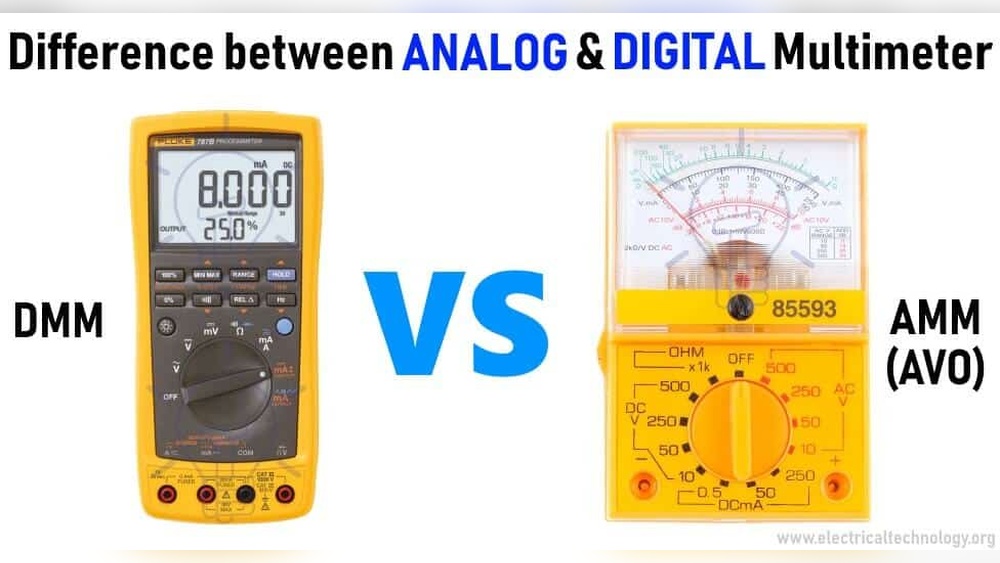
When you step into the world of electronics, whether as a hobbyist or a professional technician, you’ll quickly encounter the terms multimeter and multitester. These devices are essential tools for diagnosing electrical circuits, testing batteries, and troubleshooting household appliances. Yet, for many beginners and even some seasoned users, the distinction between the two can be confusing. Are they the same device under different names, or do they serve unique functions?
This article demystifies the difference between multimeter and multitester with clear explanations, real-world examples, and hands-on guidance for both novices and advanced users. We’ll break down their features, uses, and technical specifications, backed by data-driven tables and practical advice. By the end, you’ll not only understand how these tools fit into the broader landscape of electronic testing equipment, but also know how to choose, use, and maintain them for maximum accuracy and reliability.
Key Takeaways
- Multimeter and multitester often refer to the same instrument, but historical and regional differences give them nuanced meanings.
- Modern multimeters offer advanced features like auto-ranging, digital displays, and data logging, while multitester can sometimes refer to simpler, analog devices.
- Understanding the specifications and correct usage is crucial for both beginners and advanced users to ensure accurate readings and safety.
- Real-world scenarios and comparison tables help clarify which tool suits different electrical troubleshooting tasks.
- Maintenance, calibration, and correct measurement techniques can extend the lifespan of these instruments and prevent costly mistakes.

Credit: www.youtube.com
Understanding The Basics: Multimeter Vs. Multitester
Before diving into technical details, it’s essential to grasp the fundamental definitions and historical context of these two commonly confused devices.
What Is A Multimeter?
A multimeter is an electronic measuring instrument that combines several measurement functions in one unit. The most basic multimeters measure voltage (volts), current (amperes), and resistance (ohms). More advanced models, often called digital multimeters (DMMs), may include additional features such as diode testing, continuity checks, capacitance, frequency, temperature, and even data logging.
Multimeters come in two main types:
- Analog multimeters: Use a moving needle and a printed scale.
- Digital multimeters: Feature an LCD or LED display for digital readings.
Modern multimeters are highly accurate and versatile, making them the go-to tool for electronics professionals worldwide.
What Is A Multitester?
The term multitester is often used interchangeably with multimeter, particularly in some regions and older documentation. Traditionally, a multitester referred to any device capable of measuring more than one electrical parameter, most commonly voltage, current, and resistance.
In practice, multitester is usually associated with:
- Basic analog testers: Simpler, with fewer features than modern digital multimeters.
- Entry-level test equipment: Used primarily for basic circuit checks and educational purposes.
Despite their similarities, the subtle difference often lies in the complexity, accuracy, and feature set of the devices.
Historical Perspective
The evolution of electrical measurement tools has led to overlapping terminology. In the early days, multitester was a popular term for analog devices found in school labs and home toolkits. As technology advanced, digital multimeters became the industry standard, pushing the term multitester into more niche or regional use.
Pro Tip: If you encounter the term multitester, check the context. In some manuals or regions (e.g., Southeast Asia), multitester still refers to analog devices, while multimeter almost always means a digital, feature-rich instrument.
Key Similarities
- Both tools can measure voltage, current, and resistance.
- Each may be available in analog or digital form, though multimeter now typically implies digital.
- Both are indispensable for troubleshooting electrical circuits.
Key Differences
- Multimeter generally refers to modern, digital, and multi-functional devices.
- Multitester can imply a simpler, more basic, or analog testing tool.
Detailed Feature Comparison
To provide an in-depth understanding, let’s break down the technical and practical differences between multimeters and multitesters across several key parameters.
Measurement Capabilities
Multimeters, especially digital models, offer a broader range of measurement features compared to traditional multitesters.
| Feature | Multimeter | Multitester |
|---|---|---|
| Voltage Measurement (AC/DC) | Yes (wide range, high accuracy) | Yes (typically lower range) |
| Current Measurement (AC/DC) | Yes (multiple ranges, higher precision) | Yes (often limited to lower currents) |
| Resistance Measurement | Yes (broad range, digital readout) | Yes (typically fewer ranges) |
| Additional Functions (diode, capacitance, frequency) | Often included | Rarely included |
| Display | Digital (LCD/LED) | Analog (needle) |
| Data Logging | Available in advanced models | Not available |
Accuracy And Precision
Digital multimeters generally provide higher accuracy than analog multitesters. Digital circuitry eliminates parallax error, a common issue with analog needle displays, delivering more reliable readings.
- Entry-level digital multimeters: Accuracy within ±0.5% to ±1% for voltage.
- Analog multitesters: Accuracy may range from ±2% to ±3%, with variability depending on the needle’s position and user perspective.
Example: When measuring a 9V battery, a digital multimeter might read 8.99V, while an analog multitester might indicate somewhere between 8.8V and 9.2V due to scale limitations.
User Interface And Usability
Digital multimeters are favored for their easy-to-read displays, intuitive controls, and additional features like auto-ranging and backlighting. Analog multitesters require careful scale selection and interpretation of the needle’s position, which can be challenging for beginners.
Advantages Of Digital Multimeters:
- Clear numeric readouts
- Auto-ranging simplifies operation
- Additional features accessible via buttons or rotary switches
Advantages Of Analog Multitesters:
- Real-time response to fluctuating signals (useful for monitoring trends)
- Simple construction and operation (ideal for educational settings)
Durability And Maintenance
Analog multitesters are often praised for their ruggedness and ability to withstand rough handling. Digital multimeters, while generally robust, can be more sensitive to drops and moisture due to electronic components.
- Analog multitesters: Fewer electronic parts, less prone to digital failures
- Digital multimeters: Require care to avoid display or circuit damage
Pro Tip: Always store your instrument in a protective case, avoid moisture, and replace batteries regularly to ensure longevity.
Cost Considerations
The price range for both devices varies widely based on features and build quality. However, basic analog multitesters are usually less expensive than entry-level digital multimeters.
| Device Type | Typical Price Range (USD) | Target Audience |
|---|---|---|
| Analog Multitester | $10 – $30 | Students, hobbyists |
| Basic Digital Multimeter | $20 – $50 | DIYers, homeowners |
| Advanced Digital Multimeter | $50 – $500+ | Professionals, engineers |
Practical Applications And Real-world Scenarios
Understanding how multimeters and multitesters are used in daily life can help clarify which device is best suited for specific tasks. Let’s examine some typical use cases, including examples from both beginner and advanced perspectives.
Home Electrical Troubleshooting
For many homeowners and DIY enthusiasts, the primary use of a multimeter or multitester is checking batteries, outlets, and household wiring.
Example: Suppose your wall outlet stops working. A digital multimeter makes it easy to measure the AC voltage at the outlet. Simply set the dial to the correct voltage range (usually 200V or higher for household AC), insert the probes, and read the value. If you get a reading close to 120V (US standard), the outlet is live.
A multitester can perform this test as well, but interpreting the needle requires more care, and the available ranges might be more limited.
Automotive Diagnostics
Automotive technicians frequently use multimeters to diagnose electrical issues in vehicles, such as battery voltage, alternator output, and continuity in wires.
- Beginner: Checking car battery voltage with a digital multimeter provides a fast, accurate answer, anything below 12.4V may indicate a weak battery.
- Advanced: Diagnosing alternator performance may require measuring both voltage and current, as well as checking for AC ripple (a feature available on some advanced digital multimeters).
Electronic Circuit Testing
Electronics hobbyists and engineers rely on multimeters for building, testing, and troubleshooting circuits.
- Continuity checks: Verifying that a wire or PCB trace is unbroken.
- Diode testing: Ensuring correct orientation and function.
- Capacitance measurement: Available on advanced digital multimeters, invaluable for repairing or designing electronic circuits.
Example: When assembling a DIY microcontroller project, you might use the continuity function to confirm that all solder joints are intact before powering on the device.
Educational Use
In many schools and training programs, analog multitesters are still used to teach the basics of electrical measurement. The visual movement of the needle helps students understand concepts like resistance and voltage drop.
Pro Tip: If you’re teaching beginners, start with an analog multitester to demonstrate physical principles, then graduate to digital multimeters for precision and advanced features.

Credit: www.wikihow.com
Choosing The Right Tool: A Step-by-step Guide
The choice between a multimeter and a multitester depends on your specific needs, experience level, and budget. Here’s how to make an informed decision:
Assess Your Needs
Ask yourself:
- Do you need to measure only voltage, current, and resistance, or are advanced features (like frequency and capacitance) important?
- Will you be working mostly with household AC, automotive DC, or sensitive electronics?
- How important are accuracy and digital readouts to you?
Consider User Experience
Beginners often benefit from digital multimeters due to their simplicity and clear displays. Advanced users or professionals may seek out models with expanded features, higher accuracy, and data logging.
Evaluate Key Features
Look for the following when comparing devices:
- Display type: Digital (easier to read) vs. analog (better for monitoring trends)
- Measurement ranges: Wider ranges accommodate more applications
- Safety ratings: Look for CAT (Category) ratings for high-voltage work
- Input protection: Fused inputs prevent accidental overload damage
- Ergonomics: Comfortable grip and probe storage are practical for frequent use
Compare Models
| Feature | Beginner Digital Multimeter | Advanced Digital Multimeter | Analog Multitester |
|---|---|---|---|
| Voltage/Current/Resistance | Yes | Yes | Yes |
| Auto-ranging | Yes | Yes | No |
| Additional Functions (diode, temp, capacitance) | Limited | Comprehensive | Rarely |
| Data Logging | No | Yes | No |
| Display | Digital LCD | Digital LCD with backlight | Analog needle |
| Price | Low | High | Lowest |
Seek Professional Advice
If you’re unsure, consult a professional or refer to reputable resources such as the Wikipedia Multimeter page for detailed technical specifications.
Advanced Tips For Accurate Measurements
Even with the best equipment, poor technique can lead to incorrect or unsafe measurements. Here are advanced suggestions to ensure you get reliable results every time.
Proper Probe Placement
- Always connect the black probe to the COM (common) terminal and the red probe to the VΩmA terminal for most measurements.
- For current measurements above the meter’s threshold, move the red probe to the dedicated high-current port.
Use The Correct Range
- If using a manual-range device, always start with the highest range and step down.
- Auto-ranging digital multimeters select the best range automatically but double-check for outlier readings.
Minimize Parallax Error (analog)
- For analog multitesters, view the needle directly from above to avoid misreading the scale.
Avoid Overload
- Never attempt to measure voltage or current beyond the specified limits of your device.
- Look for “OL” or “Overload” on digital displays and immediately stop if you see this warning.
Regular Calibration
- Professional users should calibrate their multimeters annually, as recommended by manufacturers and standards organizations like the International Electrotechnical Commission (IEC).
Battery Maintenance
- Replace the battery as soon as the low-battery indicator appears to ensure measurement accuracy.
Environmental Factors
- Avoid measuring in high humidity, excessive heat, or near strong magnetic fields, as these can affect accuracy.
Pro Tip: In my experience, using high-quality, gold-plated probes can significantly reduce contact resistance and improve measurement reliability, especially in sensitive electronics work.
Maintenance And Safety Best Practices
Proper care and cautious use of your multimeter or multitester can prevent accidents and extend the life of your investment.
Routine Maintenance Checklist
- Inspect leads and probes for cracks, wear, or exposed wires.
- Check the battery regularly and replace it when needed.
- Clean contacts and case with a dry cloth; avoid harsh solvents.
- Store in a protective case to prevent moisture and dust ingress.
Safety Guidelines
- Always disconnect power before measuring resistance or continuity.
- Use only probes rated for the voltage and current you expect to measure.
- Verify the CAT safety rating (e.g., CAT II, CAT III) matches your application.
- Never use a damaged device; replace cracked cases or faulty probes immediately.
Handling Unexpected Readings
If you get a result that seems too high, too low, or inconsistent:
- Double-check connections and range settings.
- Try measuring a known reference (like a 1.5V AA battery) to confirm the device’s accuracy.
- If uncertainty remains, consult the user manual or a professional technician.
Storage Tips
- Avoid leaving your device in a hot car or damp environment.
- Remove the battery if you won’t use the device for an extended period.
Real-world Case Studies
To further clarify how the distinction between multimeter and multitester plays out in practical settings, let’s look at a few real-world scenarios.
Case Study 1: School Physics Lab
A high school physics teacher uses analog multitesters to introduce students to the concepts of voltage and resistance. The visible movement of the needle helps students visualize Ohm’s Law in action. For advanced classes, the teacher upgrades to digital multimeters to demonstrate precision measurements and additional functions like diode testing.
Case Study 2: Professional Electrical Contractor
An electrical contractor uses a high-end digital multimeter for daily troubleshooting in residential and commercial settings. The device’s auto-ranging, backlit display, and data logging capabilities save time and reduce errors, especially when working in dimly lit electrical panels.
Case Study 3: Electronics Repair Shop
A technician repairing smartphones and laptops uses both analog and digital devices. The analog multitester quickly checks for short circuits, while the digital multimeter tests capacitance and frequency in advanced repairs.
Case Study 4: Diy Homeowner
A homeowner keeps a basic digital multimeter in their toolbox for tasks like testing batteries, checking fuses, and verifying continuity in Christmas lights. The simple interface and auto-ranging function make it accessible, even for those with no formal electronics training.
The Future Of Electrical Test Instruments
As technology continues to evolve, the line between multimeter and multitester is becoming increasingly blurred. Modern devices integrate Bluetooth connectivity, smartphone apps, and even wireless data transfer. Some models feature touchscreen displays, automated test sequences, and enhanced safety features.
Example: Brands like Fluke and Keysight now offer smart multimeters with companion mobile apps that allow users to record and analyze data remotely. These advancements make the tools even more valuable for troubleshooting complex systems and documenting maintenance tasks.
For beginners, the trend toward user-friendly interfaces and comprehensive safety features makes it easier than ever to get started. For advanced users, the integration of data analytics and connectivity opens new possibilities for predictive maintenance and remote diagnostics.
If you’re interested in exploring the latest innovations, consider resources like the Fluke Digital Multimeter Blog for up-to-date product reviews and industry insights.
Frequently Asked Questions
What Is The Main Difference Between A Multimeter And A Multitester?
While both terms are sometimes used interchangeably, the main difference lies in their complexity and usage. A multimeter typically refers to a modern, digital device with advanced features, while a multitester may indicate a basic, often analog tester. The key is to check the specifications and intended use, multimeters are generally more accurate and versatile.
Can I Use A Multitester For Advanced Electronics Work?
A basic analog multitester can handle simple measurements (voltage, current, resistance), but for advanced electronics work, such as testing microcontrollers or frequency-sensitive components, a digital multimeter is recommended for its precision and additional functions like capacitance and frequency measurement.
How Do I Know If My Device Is Safe To Use On High-voltage Circuits?
Always check the CAT safety rating on your device, which should be printed near the input jacks or in the user manual. For high-voltage circuits (such as household mains), a CAT III or CAT IV rating is essential. If in doubt, consult the manufacturer or a licensed electrician before proceeding.
Why Does My Analog Multitester Give Inconsistent Readings?
Analog multitesters can be affected by several factors:
- Parallax error from not viewing the needle directly above the scale.
- Low battery, which reduces measurement accuracy.
- Contact resistance or dirty probe tips.
- Mechanical wear in the needle movement mechanism.
For more reliable results, try cleaning your probes, replacing the battery, and ensuring proper viewing angle.
Are Smartphone-based Multimeters As Reliable As Traditional Devices?
Smartphone-based multimeters offer convenience and advanced features like data logging and remote monitoring. However, their reliability depends on build quality, sensor accuracy, and app calibration. For critical or high-voltage work, traditional stand-alone multimeters from reputable brands are recommended for safety and precision.
When I tested a smartphone-based multimeter, I found it adequate for basic battery and continuity checks, but it lagged behind a dedicated digital multimeter in terms of response speed and accuracy.
As the landscape of electrical test equipment continues to evolve, both multimeters and multitesters remain invaluable for electrical diagnostics, repairs, and education. By understanding their differences, and knowing how to use each tool effectively, you can confidently tackle projects ranging from simple home repairs to complex electronic troubleshooting. Whether you’re just starting out or seeking advanced features, your choice of instrument should match your needs, skill level, and safety requirements. With regular maintenance, proper use, and ongoing learning, these essential tools will serve you well for years to come.