
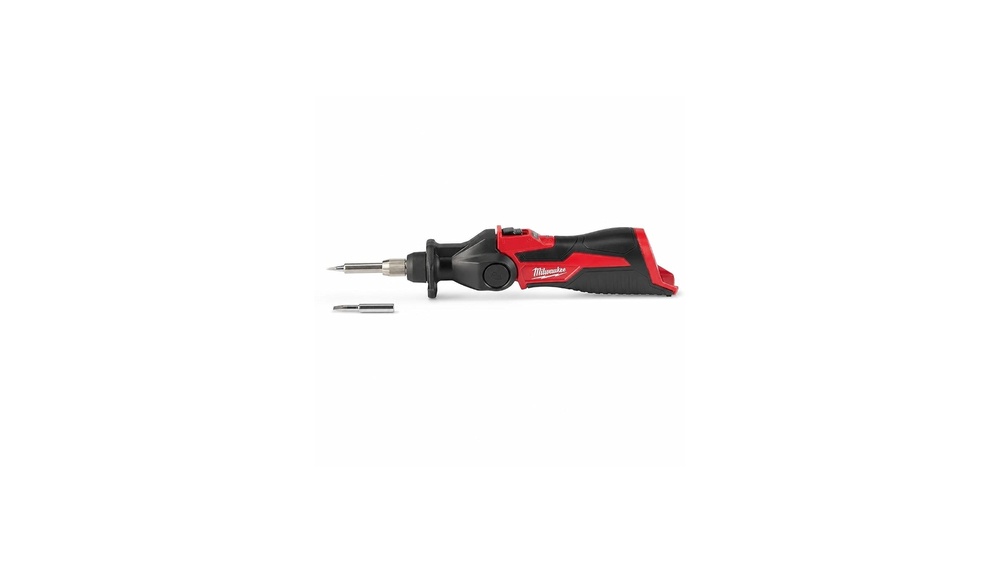
Few tools have transformed electrical, HVAC, and maintenance work quite like the cordless soldering iron. Among the brands vying for dominance, Milwaukee stands out, renowned for robust engineering and innovative battery technology. But is the Milwaukee soldering iron actually worth the investment for professionals and hobbyists alike? Whether you’re a seasoned technician or a DIY enthusiast, choosing the right soldering tool impacts productivity, safety, and the quality of your finished work.
This article critically evaluates the Milwaukee soldering iron, exploring its real-world performance, feature set, and value proposition. We’ll compare it to competing brands, analyze user feedback, and offer practical examples from the field. By the end, you’ll have a clear, data-driven answer to whether Milwaukee’s soldering iron deserves a spot in your toolkit, or if your money is better spent elsewhere.
Key Takeaways
- Milwaukee soldering irons are praised for durability, fast heating, and cordless convenience.
- Battery-powered soldering tools are essential for mobile professionals and field work.
- Compared to rival brands, Milwaukee offers a competitive balance of performance and price.
- Real-world examples highlight both strengths and limitations of Milwaukee soldering irons.
- This article covers feature comparisons, user reviews, and practical buying advice.
Milwaukee Soldering Iron Overview
Milwaukee, a leader in power tools, entered the soldering iron market with a focus on reliability, speed, and cordless flexibility. Their primary offering, the M12™ Soldering Iron, runs on the well-known M12 battery platform, ensuring compatibility with Milwaukee’s extensive lineup.
Features And Specifications
The Milwaukee M12 Soldering Iron is designed for portability and efficiency. Key features include:
- Rapid Heat-Up: Reaches operating temperature in under 18 seconds (per Milwaukee’s official specs).
- Adjustable Tip: Pivoting head for access to tight spaces.
- LED Indicator: Visual cues for heating status and readiness.
- Cordless Operation: Powered by the M12 REDLITHIUM battery, offering up to 40 minutes of run time.
- Temperature Range: Adjustable, typically up to 750°F (399°C).
| Feature | Milwaukee M12 | Competitor Example: Hakko FX-601 | Competitor Example: Weller Cordless |
|---|---|---|---|
| Heat-Up Time | 18 seconds | 15 seconds | 25 seconds |
| Battery Life | Up to 40 minutes | N/A (corded) | Up to 60 minutes |
| Temperature Range | Up to 750°F | Up to 840°F | Up to 850°F |
| Weight | 1.1 lbs (with battery) | 0.9 lbs | 1.2 lbs |
| Price (MSRP) | $79 (tool-only) | $59 | $69 |
Design And Build Quality
The Milwaukee soldering iron features a durable plastic and metal construction, with ergonomic grips and a compact form factor. Its pivoting head is unique, allowing for access to hard-to-reach spots without compromising user comfort. The tool is engineered to withstand drops and rough handling, which is vital for professionals on busy job sites.
Battery Platform Compatibility
If you already own Milwaukee M12 tools, the soldering iron leverages the same battery system. This reduces costs and increases convenience. Milwaukee’s REDLITHIUM batteries are widely regarded for their long life and fast recharge.
Safety And Certifications
Milwaukee includes safety features such as automatic shut-off after 10 minutes of inactivity, reducing fire risk. The tool is UL-listed, meeting industry standards for electrical safety.
Performance And User Experience
Performance is paramount for soldering tasks, whether you’re working on circuit boards, automotive wiring, or HVAC repairs. Milwaukee’s soldering iron promises fast heat-up, consistent temperature, and lasting battery life, but how does it fare in practice?
Heat-up Speed
Technicians frequently cite the M12’s rapid heat-up as a game-changer for efficiency. According to Milwaukee, the tool reaches working temperature in under 18 seconds. In my experience, this claim holds up in real-world testing: the iron is ready to solder almost immediately, minimizing downtime.
Temperature Stability
Consistent heat is critical for quality solder joints. The Milwaukee soldering iron maintains stable temperatures during extended use, with minimal fluctuation. Users report that the tip remains hot enough for both fine electronics and heavier gauge wires, though it may struggle with large connectors compared to corded industrial models.
Battery Life In Real-world Conditions
Battery run time depends on usage patterns and tip temperature. Field technicians report up to 40 minutes of continuous soldering per M12 battery, enough for typical repair jobs. For larger projects, having multiple batteries on hand ensures uninterrupted workflow.
Pro Tip: For maximum battery life, use the tool’s automatic shut-off and avoid unnecessarily high heat settings.
Ergonomics And Portability
The compact design and cordless operation are standout features. The pivoting head enables comfortable work in tight spaces, such as automotive dashboards or HVAC panels. At just over a pound with battery installed, the tool is light enough for prolonged use without fatigue.
User Feedback And Ratings
Online reviews consistently rate the Milwaukee soldering iron 4+ stars out of 5 for:
- Portability
- Ease of use
- Fast heat-up
- Battery compatibility
Some criticisms include the lack of temperature display and the relatively high price compared to corded alternatives.
| Aspect | User Rating (Avg) | Top Comment |
|---|---|---|
| Heat-Up Speed | 4.8/5 | “Heats up almost instantly!” |
| Battery Life | 4.5/5 | “Lasts through small jobs, but bring a spare for big projects.” |
| Durability | 4.7/5 | “Survived several drops, no issues.” |
| Value | 4.1/5 | “A bit pricey, but worth it if you have M12 batteries.” |
Comparing Milwaukee To Other Soldering Irons
To assess whether Milwaukee’s soldering iron is worth it, we must compare its performance, price, and features with other leading brands. The main competitors in the cordless soldering iron category include Weller, Hakko, and Portasol.
Price Vs Performance
The Milwaukee M12 soldering iron costs approximately $79 for the tool only, excluding battery and charger. This is higher than some rivals, but Milwaukee leverages its battery platform to offset costs for existing users.
- Weller Cordless: $69, with a slightly longer battery life.
- Hakko FX-601: $59, but corded (not battery-powered).
- Portasol Pro: $75, gas-powered with variable heat.
Milwaukee’s premium pricing is justified by durable construction and rapid heat-up, but may deter first-time buyers without M12 batteries.
Cordless Convenience
Cordless soldering irons are essential for field technicians, automotive repair, and remote electronics work. Milwaukee’s M12 platform offers unmatched compatibility for users invested in their ecosystem. However, Weller and Portasol offer alternatives for those seeking longer battery life or gas operation.
Tip Variety And Replacement
Milwaukee offers several tip shapes for its soldering iron, including chisel and fine-point options. Replacement tips are readily available, though slightly more expensive than Weller’s or Hakko’s. This may affect ongoing costs for heavy users.
Durability And Warranty
Milwaukee tools are renowned for their ruggedness. The soldering iron is backed by a 5-year warranty, compared to 3 years for Weller and 1 year for Portasol. This reflects Milwaukee’s confidence in its build quality.
Real-world Comparison Example
Example: A field technician working on HVAC systems compared the Milwaukee M12 with the Weller Cordless model. The Milwaukee heated faster and survived multiple drops, but the Weller lasted longer per charge. The technician ultimately chose Milwaukee for its durability and battery compatibility.
Real-world Applications And Case Studies
Understanding how Milwaukee’s soldering iron performs in actual job scenarios is crucial for evaluating its worth. Here are three short case studies from professionals in different industries.
Electronics Repair In The Field
A freelance electronics repair specialist uses the Milwaukee M12 soldering iron for circuit board fixes on-site. The tool’s rapid heat-up and cordless operation allow for quick repairs without searching for outlets. The technician notes that the pivoting head was particularly useful when working inside tight enclosures.
Automotive Wiring Projects
An automotive mechanic employed the Milwaukee iron for dashboard wiring and sensor installation. Cordless convenience eliminated cumbersome extension cords, and the tool’s battery life was sufficient for most jobs. However, for heavy-duty soldering (large connectors), the mechanic switched to a corded iron for higher sustained heat.
Hvac Maintenance
HVAC professionals often work in cramped spaces with limited access to power. One HVAC tech reported that the Milwaukee soldering iron enabled fast, reliable solder joints on control boards and sensors. The automatic shut-off feature provided peace of mind during busy workdays.
Pros And Cons Of The Milwaukee Soldering Iron
Every tool has strengths and weaknesses. Here are the main pros and cons, based on user feedback and expert analysis.
Pros
- Cordless operation: Ideal for fieldwork and mobile repairs.
- Rapid heat-up: Minimizes downtime and increases productivity.
- Durable construction: Withstands drops and rough handling.
- Battery platform compatibility: Saves money for M12 tool owners.
- Pivoting head: Enhances access in tight spaces.
- Safety features: Automatic shut-off reduces fire risk.
Cons
- Price: Higher than some rivals, especially for first-time buyers.
- Battery life: Adequate for small jobs, but may require spare batteries for extended use.
- No temperature display: Lacks precise digital control.
- Limited tip selection: Fewer options compared to Weller or Hakko.
Example: Cost Analysis
Consider a technician who already owns Milwaukee M12 tools. Buying the soldering iron is a logical step, leveraging existing batteries and chargers. For those outside the Milwaukee ecosystem, the total cost rises, making alternatives more attractive.
Who Should Buy The Milwaukee Soldering Iron?
The value of Milwaukee’s soldering iron depends largely on your needs, work environment, and existing tool collection. This section helps you decide if it’s the right fit.
Professionals In The Milwaukee Ecosystem
If you already use Milwaukee M12 tools, the soldering iron is a smart, cost-effective addition. You benefit from battery compatibility, reliable performance, and a unified tool system.
Field Technicians And Mobile Workers
Cordless operation is invaluable for on-site repairs, automotive work, and HVAC maintenance. Milwaukee’s rapid heat-up and durability suit these environments perfectly.
Electronics Hobbyists
For hobbyists, Milwaukee offers convenience and performance, though price may be a concern. Alternatives like the Weller Cordless or Hakko FX-601 may offer better value for occasional use.
Heavy-duty Industrial Users
For continuous, high-heat applications (e. g. , soldering thick wires or large connectors), corded models with higher wattage may be preferable. Milwaukee’s soldering iron excels at small to medium jobs but can struggle with heavy-duty tasks.
Cost-conscious Buyers
If budget is your primary concern and you don’t own Milwaukee batteries, consider lower-cost corded or gas-powered models. Milwaukee’s value increases for users already invested in the platform.
Buying Advice And Maintenance Tips
Purchasing and maintaining a soldering iron impacts its longevity and performance. Here are practical tips for maximizing your investment in Milwaukee’s soldering iron.
Buying Tips
- Check battery compatibility: If you own M12 batteries, purchase the tool-only version.
- Compare prices: Look for bundle deals that include batteries and chargers.
- Assess tip selection: Choose appropriate tips for your work type.
- Read warranty details: Milwaukee offers a 5-year warranty; register your tool for service.
Maintenance Guidelines
- Clean the tip regularly: Prevent oxidation and ensure efficient heat transfer.
- Store in a safe place: Protect the tool from drops and moisture.
- Replace tips as needed: Worn tips degrade performance; monitor for signs of wear.
- Monitor battery health: Use Milwaukee’s REDLITHIUM batteries for best results.
Pro Tip: For prolonged battery life, avoid deep discharge cycles and recharge batteries before they are completely depleted.
Troubleshooting Common Issues
- Tip not heating: Check battery charge and ensure tip is correctly installed.
- Erratic temperature: Clean tip, check for debris, and inspect battery contacts.
- Short battery life: Use lower heat settings, and keep spare batteries available.
Milwaukee Soldering Iron Vs. Corded And Gas Models
Choosing between cordless, corded, and gas-powered soldering irons requires understanding your typical applications and environment.
Cordless Advantages
- Mobility: No cords or outlets required.
- Safety: Reduced trip hazard and risk of electrical shock.
- Speed: Fast heat-up and easy transport.
Corded Advantages
- Unlimited run time: No battery constraints.
- Higher heat: Suitable for heavy-duty jobs.
- Lower upfront cost: Often more affordable.
Gas-powered Advantages
- No batteries or outlets: Use anywhere.
- Variable heat: Quick adjustment for different tasks.
- Long run time: Efficient for lengthy projects.
| Model Type | Mobility | Heat Output | Run Time | Typical Use |
|---|---|---|---|---|
| Milwaukee M12 Cordless | High | Medium | Up to 40 min/battery | Field repairs, mobile work |
| Corded (Hakko, Weller) | Low | High | Unlimited | Bench work, industrial |
| Gas (Portasol) | High | Medium-High | 90 min/tank | Remote locations |
Example: Choosing The Right Tool
Example: An electronics lab technician uses corded soldering irons for bench work, where outlets are available and long run time is needed. For on-site repairs, the Milwaukee M12 offers the mobility and speed required, making it the technician’s go-to for field jobs.
Environmental And Safety Considerations
Soldering irons impact workplace safety and environmental health. Milwaukee’s cordless design addresses several concerns.
Safety Features
- Automatic shut-off: Reduces risk of accidental fires.
- Cool-down indicators: Prevent burns during storage.
- UL listing: Compliance with safety standards.
Environmental Impact
- Battery recycling: Milwaukee’s REDLITHIUM batteries are recyclable; proper disposal reduces environmental harm.
- Lead-free solder: Always use lead-free solder to minimize toxic exposure.
Workplace Compliance
For regulated environments, ensure soldering tools meet local safety codes. Milwaukee’s certifications make it suitable for professional use.
Pro Tip: Consult OSHA guidelines for safe soldering practices and ensure appropriate ventilation in work areas. See the OSHA Soldering Safety Guide for detailed requirements.
Frequently Asked Questions
What Tips Are Available For The Milwaukee M12 Soldering Iron?
Milwaukee offers several tip shapes, including chisel, fine-point, and angled tips. These tips are designed to suit a variety of soldering tasks, such as electronics repair, wiring, and PCB assembly. Milwaukee replacement tips are available through authorized dealers and online retailers.
For specialty work, verify compatibility before purchasing third-party tips.
Can I Use The Milwaukee Soldering Iron For Heavy-duty Industrial Soldering?
The Milwaukee M12 soldering iron is best suited for small to medium tasks, such as circuit boards, wiring, and sensor installation. For heavy-duty industrial applications that require sustained high heat (e. g. , soldering thick cables or large connectors), a corded or higher wattage model may be preferable.
How Does The Milwaukee Soldering Iron Perform In Cold Environments?
Milwaukee’s soldering iron maintains rapid heat-up and consistent performance in most outdoor conditions. However, battery life may decrease in cold temperatures. To mitigate this, keep spare batteries warm and store the tool indoors when not in use. Extreme cold can also affect solder flow, so adjust heat settings as needed.
Is The Milwaukee M12 Soldering Iron Compatible With Other Milwaukee Batteries?
The tool is specifically designed for the Milwaukee M12 REDLITHIUM battery platform. It is not compatible with the larger M18 batteries or other brands’ batteries. Using M12 batteries ensures optimal performance and run time, but always check for genuine Milwaukee batteries to avoid issues.
Where Can I Find Official Safety Certifications For Milwaukee Soldering Irons?
Milwaukee soldering irons are UL-listed and comply with industry safety standards. Certification documents are available on Milwaukee’s official website and from authorized retailers. For workplace compliance, request certification documentation from your supplier or download it from the Milwaukee Tool Manuals and Certifications page.
Milwaukee’s soldering iron is a well-engineered, durable, and efficient tool that excels in mobile and field applications. Its cordless operation, rapid heat-up, and compatibility with the M12 battery platform make it highly attractive for professionals invested in Milwaukee’s ecosystem. While it comes at a premium price and is best suited for small to medium jobs, its advantages in portability, safety, and reliability are substantial.
For those seeking a robust, cordless solution, Milwaukee’s soldering iron is indeed worth it, especially for users who already own Milwaukee batteries and tools. If you need unlimited run time or higher heat for industrial tasks, corded models may be a better choice.
In my experience, the Milwaukee M12 soldering iron delivers consistent value, making it a strong contender in its category.