
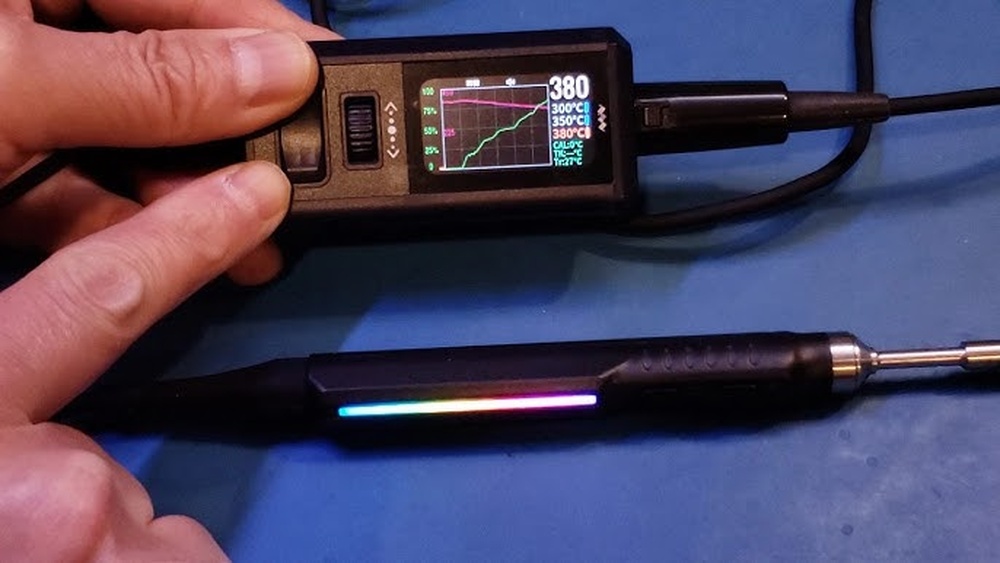
Soldering is a fundamental skill in electronics, jewelry making, and DIY repair work, but the quality of tools used can make a dramatic difference in results. Many enthusiasts and professionals start with a simple soldering iron, only to wonder later if investing in a soldering station is truly worth it.
The answer isn’t always straightforward, as it depends on your needs, experience, and long-term goals.
A soldering station represents a significant step up in precision, safety, and efficiency, but does it justify the higher price tag for hobbyists, students, or occasional users? This article explores the tangible advantages and drawbacks of soldering stations, compares them to basic irons, and helps you decide whether this upgrade is the best investment for your workbench.
Key Takeaways
- Soldering stations offer superior temperature control, safety features, and efficiency compared to basic soldering irons.
- The initial cost of a station is higher, but long-term value is gained through better results and tool longevity.
- Soldering stations are ideal for frequent users, intricate projects, or anyone seeking professional-quality work.
- Occasional users or beginners may not see immediate benefits, but stations can accelerate skill development.
- Real-world examples and data show productivity and quality gains with soldering stations in electronics and repair work.
Soldering Station Vs. Soldering Iron: Core Differences
The debate between a soldering station and a basic soldering iron centers on functionality, precision, and safety. Understanding these core differences is essential before making a purchasing decision.
Functionality And Features
A soldering station typically consists of a base unit with controls, a detachable iron, and often an integrated stand with cleaning tools. In contrast, a basic soldering iron is a single, plug-and-play tool with limited or no adjustable settings.
Key features that differentiate a soldering station include:
- Adjustable temperature control: Most stations allow precise setting of tip temperature, crucial for working with sensitive components or varied materials.
- Digital or analog displays: Clear temperature readouts or dials make monitoring and adjustments easy.
- Replaceable tips and parts: Stations often support a wide range of tip shapes and sizes, enhancing versatility.
Performance And Precision
The stability of temperature is a defining advantage. Soldering stations maintain consistent heat, whereas basic irons may fluctuate, leading to cold joints or component damage.
| Feature | Basic Soldering Iron | Soldering Station |
|---|---|---|
| Temperature Control | Fixed or limited | Precise, adjustable |
| Heat Recovery | Slow | Fast, stable |
| Safety Features | Minimal | Auto-shutoff, ESD protection |
| Tip Variety | Limited | Wide range |
| Price Range | $10, $40 | $50, $300+ |
Safety Considerations
Soldering stations often come equipped with safety features such as grounded designs, anti-static (ESD) protection, and auto-shutoff timers. These elements are critical when working with sensitive electronic circuits, reducing the risk of accidental damage or injury.
Longevity And Maintenance
Stations generally allow for easy replacement of worn parts, such as heating elements or tips, extending the lifespan of your investment. Basic irons are often disposable, with limited repair options.
The Real Benefits Of Using A Soldering Station
For those considering an upgrade, the value of a soldering station goes beyond technical specifications. Here are the main benefits that users experience.
Enhanced Temperature Control
Precise temperature management is crucial for:
- Preventing component damage: Sensitive integrated circuits can be ruined by excessive heat.
- Reducing cold joints: Inconsistent temperatures lead to weak, unreliable solder joints.
- Working with lead-free solder: Lead-free alloys require higher and more stable temperatures.
Example: In my experience, switching from a $20 iron to a mid-range soldering station resulted in fewer failed joints and smoother work on delicate SMD (surface mount device) boards.
Increased Efficiency And Productivity
A soldering station’s fast heat-up and recovery time means less waiting and more consistent results, especially during repetitive tasks.
Benefits include:
- Faster workflow: No need to pause for reheating.
- Consistent results: Every joint receives the right amount of heat.
- Improved rework: Easier to remove and replace components without damaging pads or traces.
Improved Safety And Comfort
Stations often feature:
- Ergonomic handles: Reducing hand fatigue during long sessions.
- Stable holders and cleaning sponges: Minimize the risk of burns or fire.
- Auto-shutoff and ESD protection: Essential for professional environments.
Versatility For Different Applications
With a wide array of compatible tips and accessories, stations adapt to:
- Fine electronics assembly
- Jewelry repair
- Stained glass work
- Automotive wiring
Pro Tip: If you plan to work with both large and small components, choosing a station with interchangeable tips and adjustable wattage is a smart move.
When Is A Soldering Station Worth The Investment?
Not everyone needs a soldering station, and for some, a basic iron remains sufficient. Here’s how to determine if a station is right for you.
Hobbyists And Beginners
If you’re just starting out, a basic iron might suffice for small, infrequent projects. However, a station can accelerate your learning curve by:
- Enabling better technique: Stable heat allows focus on skill, not tool limitations.
- Providing a safer workspace: Especially important for younger users or classrooms.
Example: A university electronics club upgraded to stations and saw their project success rate increase, as students made fewer mistakes due to improved temperature control.
Frequent Users And Professionals
If you:
- Solder regularly (weekly or more)
- Work on complex or sensitive circuits
- Require reliability for business or research
Then a station is almost always justified. The efficiency, safety, and quality improvements quickly offset the initial investment.
Repair Technicians And Makers
For those repairing phones, laptops, or automotive electronics, the precision and safety features of a station are invaluable. Many repair shops report that investing in quality stations reduced rework and warranty claims.
Occasional Users
If you only solder a few times a year on simple projects, a basic iron may be more cost-effective. However, if you value ease of use and want to avoid frustration, a station can still be worthwhile.
Cost Analysis: Soldering Station Vs. Basic Iron
Evaluating cost goes beyond upfront price, long-term value, maintenance, and project success rates all matter.
Upfront And Ongoing Costs
A good soldering station typically costs $50, $150, while basic irons are available for $10, $40. However, the lifetime cost can be lower for stations due to:
- Replaceable tips and heating elements
- Longer lifespan
- Reduced project failures
Value Over Time
A data-driven assessment from iFixit highlights that users with stations report fewer botched repairs and less component waste, saving money in the long run.
| Cost Category | Basic Iron | Soldering Station |
|---|---|---|
| Initial Purchase | $20 | $100 |
| Annual Tip Replacement | $10 | $15 |
| Repair/Replacement Every 2 Years | $20 | $30 |
| Average Project Failure Cost/Year | $30 | $10 |
| 5-Year Total Cost | $170 | $185 |
While the station appears more expensive up front, the improved success rate and lower component loss often result in similar or even lower total costs over time.
Resale And Upgrade Value
Well-known soldering stations from brands like Hakko or Weller retain resale value. Upgrading later is easier, as stations can be sold or traded.
Hidden Costs Of Basic Irons
- Wasted components: Due to overheating or cold joints.
- Time lost to rework
- Frustration and abandoned projects
Real-world Examples: Soldering Station Impact
To further clarify the value of soldering stations, consider these real-world scenarios.
Example 1: Electronics Enthusiast
Tom, an electronics hobbyist, began with a $15 iron but struggled with inconsistent joints and damaged pads. After switching to a $90 station, he reported:
- Faster project completion
- Improved solder joint quality
- Less component waste
Tom’s success rate on complex microcontroller boards went from 60% to over 90%.
Example 2: Small Repair Business
A small appliance repair shop invested in mid-tier stations for their technicians. Over 12 months, they saw:
- Warranty repair rates drop by 25%
- Technician satisfaction improve
- Fewer returned products due to solder failures
Example 3: Classroom Setting
A high school STEM program upgraded from basic irons to stations. Teachers found students were:
- More engaged, due to easier and more reliable soldering.
- Producing better results, enabling advanced projects.
These examples highlight how stations can impact productivity, quality, and satisfaction for a range of users.
Key Features To Consider When Choosing A Soldering Station
Not all soldering stations are created equal. Choosing the right one involves evaluating several critical features.
Temperature Control And Range
Look for:
- Digital temperature display: For precise control.
- Wide temperature range: Essential for different solders and materials.
- Stable heat delivery: Prevents dips and spikes.
Pro Tip: For lead-free solder, ensure the station reaches at least 400°C (752°F).
Tip Compatibility And Accessories
- Interchangeable tips: Enables work on large connectors and tiny SMD components.
- Availability of replacement parts: Check if consumables are easy to source.
Safety And Ergonomics
- ESD protection: Mandatory for electronics work.
- Auto-shutoff: Increases safety and tip longevity.
- Comfortable grip and lightweight iron: Reduces fatigue.
Power And Heat Recovery
- Wattage: Higher wattage (60, 80W) supports faster heating and larger joints.
- Quick heat recovery: Reduces waiting time between joints.
Brand Reputation And Support
Choose established brands with good support, such as Weller, Hakko, or Metcal. These offer:
- Better build quality
- Longer warranties
- Reliable customer service
Price And Warranty
Balance features with budget. Avoid very cheap stations, as they may lack critical safety or control features.
| Feature | Essential for Beginners | Recommended for Pros |
|---|---|---|
| Temperature Control | Yes | Yes |
| ESD Protection | Optional | Mandatory |
| Digital Display | Optional | Recommended |
| Auto-shutoff | Optional | Recommended |
| Interchangeable Tips | Yes | Yes |
| Warranty | 1 year | 2+ years |
Potential Drawbacks And Limitations
While soldering stations offer clear advantages, they are not perfect for every user or scenario.
Higher Initial Cost
The most obvious drawback is the upfront investment. For those on a tight budget or uncertain about long-term use, the price may seem prohibitive.
Learning Curve
Advanced features can be overwhelming for new users. Setting the correct temperature and maintaining tips requires some practice.
Portability Issues
Soldering stations are less portable than basic irons. They typically require AC power and a stable work surface, making them less ideal for field work.
Maintenance Requirements
Stations may need:
- Regular cleaning
- Periodic calibration
- Replacement of consumables (tips, sponges, filters)
Neglecting maintenance can reduce performance and safety.
Overkill For Simple Tasks
For basic repairs (e. g. , fixing a wire), the advanced features of a station may not be necessary.
Warning: Buying a high-end station does not automatically guarantee better results, proper technique is equally important.
Alternatives To Soldering Stations
If a soldering station doesn’t fit your needs, several alternatives exist.
High-quality Standalone Irons
Some standalone irons offer:
- Adjustable temperature
- Interchangeable tips
- Good build quality
They strike a balance between cost and performance for light users.
Cordless Soldering Irons
Battery-powered irons provide mobility and are suitable for quick, low-precision jobs. However, they typically lack fine temperature control and power.
Soldering Tweezers And Hot Air Rework Stations
For specialized applications like SMD rework, hot air stations or soldering tweezers can be valuable. However, these are typically used in addition to, not instead of, a soldering station.
Diy Temperature Controllers
Some enthusiasts build their own temperature controllers for basic irons, but these solutions may lack safety certifications or reliability.
Example: A hobbyist who only repairs audio cables may find that a $30 adjustable iron meets all their needs, without the complexity of a station.
Frequently Asked Questions
What Is The Main Advantage Of A Soldering Station Over A Basic Soldering Iron?
The primary advantage is precise temperature control. This enables safer, more consistent soldering, especially on sensitive or small electronic components, reducing the risk of damage and improving joint quality.
Are Soldering Stations Necessary For Working With Lead-free Solder?
Lead-free solder requires higher, stable temperatures to flow properly. Soldering stations can maintain these temperatures accurately, making them essential for reliable joints when using modern, lead-free alloys.
How Often Should Tips And Consumables Be Replaced On A Soldering Station?
Tip lifespan varies with use and maintenance. With regular cleaning and proper tinning, tips can last several months to a year. Sponges and brass cleaners should be replaced when worn or contaminated.
Can A Beginner Use A Soldering Station, Or Is It Only For Professionals?
Beginners can benefit greatly from a soldering station due to its user-friendly controls and improved safety. Starting with a station can help develop better technique and confidence, though basic irons are still suitable for simple tasks.
What Maintenance Is Required For A Soldering Station?
Routine maintenance includes cleaning the tip after each use, regularly inspecting cables and connectors, replacing consumables as needed, and checking for calibration accuracy if the station is used in professional settings.
A quality soldering station can be one of the most transformative upgrades for electronics enthusiasts, repair technicians, and makers alike. While the initial cost is higher, the investment pays off in better results, less frustration, and greater project success rates. For anyone soldering regularly or working on complex projects, a station is not just worth it, it’s essential. However, occasional users or those on tight budgets may find a good standalone iron sufficient. By weighing your needs, budget, and future plans, you can make a confident decision and enjoy the benefits of better soldering for years to come. For further reading on soldering best practices, consider visiting the Wikipedia page on Soldering Stations.