
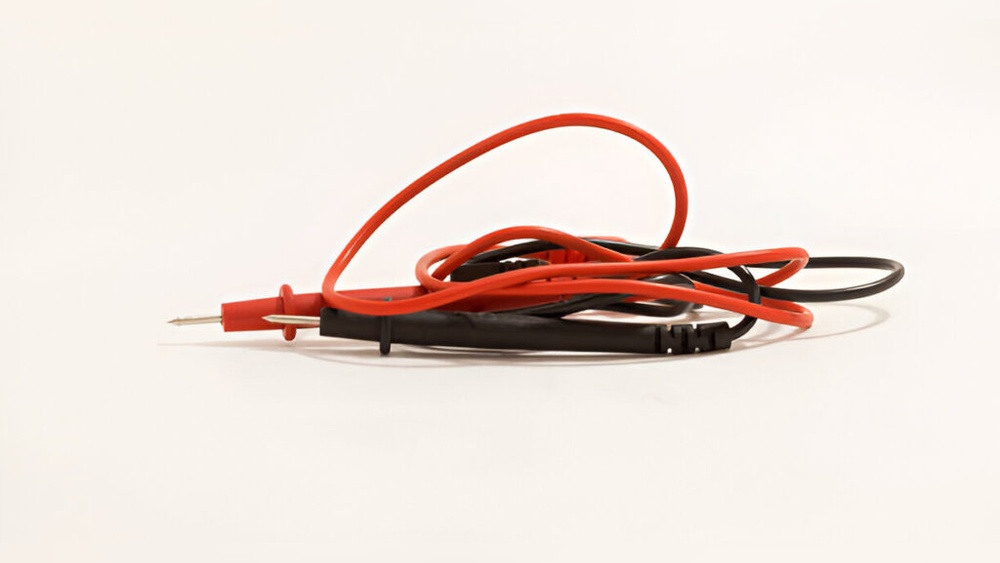
Ensuring your multimeter leads are safe, reliable, and accurate is essential for anyone working with electronics, from hobbyists to seasoned technicians. Multimeter leads may seem like simple accessories, but their condition directly impacts measurement accuracy and user safety. Neglecting proper inspection and timely replacement can lead to incorrect readings, equipment damage, or even hazardous situations such as electric shocks or short circuits.
Regular maintenance of these leads isn’t just a professional recommendation, it’s a critical component of safe electrical work.
Whether you’re a beginner learning the basics or an advanced user seeking best practices, understanding how often to inspect and replace multimeter leads is vital. This article serves as a comprehensive guide, blending foundational explanations with advanced tips, industry standards, real-world examples, and actionable strategies.
By reading further, you’ll gain the knowledge to confidently assess your leads, recognize when replacement is necessary, and adopt habits that protect both your equipment and yourself.
Key Takeaways
- Multimeter leads should be inspected before every use and replaced at least annually or immediately if defects are found.
- Common signs of wear include cracks, exposed wires, loose connectors, and inconsistent readings.
- Regular inspection prevents inaccurate measurements and reduces the risk of electrical accidents.
- Adopt industry best practices like scheduled maintenance, proper storage, and using certified replacement leads.
- Advanced users should document inspections, use higher-grade leads, and consider lead testing tools.
- Real-world case studies highlight the consequences of neglecting lead maintenance and the benefits of proactive care.
Understanding Multimeter Leads: Basics And Importance
Multimeter leads, also known as test probes, are the cables and connectors used to establish a connection between your multimeter and the circuit you’re testing. They typically consist of insulated wire, metal probes, and banana plugs or similar connectors. The quality and condition of these leads directly influence measurement accuracy, reliability, and safety.
What Are Multimeter Leads?
Multimeter leads are designed to carry electrical signals safely from a test point to the multimeter. They are typically made from flexible, high-grade copper wire with a protective insulation, usually PVC, silicone, or thermoplastic elastomer. The probes themselves are often nickel or gold-plated for better conductivity and corrosion resistance.
- Red lead: Used for positive or signal input.
- Black lead: Used for negative or ground.
Why Lead Condition Matters
A damaged or degraded lead can:
- Distort measurements: Inaccurate readings can cause troubleshooting errors or faulty repairs.
- Pose safety risks: Exposed conductors or frayed insulation increase the chance of shocks or short circuits.
- Damage equipment: Faulty leads may cause erratic current or voltage spikes, harming sensitive devices.
Beginner-friendly Explanation
If you’re new to using multimeters, think of leads as the “arms” reaching out to grab electrical information. If these arms are weak or damaged, the information you get may be wrong, or you might even get hurt. Always check your leads before you start any measurement.
Advanced Suggestions
Experienced users can use lead resistance measurements and specialized inspection tools to check for subtle faults. Documenting lead condition, tracking usage hours, and replacing leads proactively further enhance safety and reliability.
The Science Of Lead Wear: How And Why Multimeter Leads Deteriorate
Multimeter leads undergo various forms of wear, driven by their frequent use and exposure to environmental factors. Understanding these mechanisms helps users recognize early warning signs and prevent failures.
Physical Wear And Tear
Common causes of physical deterioration include:
- Flexing and twisting: Repeated bending weakens the wire and insulation.
- Abrasion: Contact with rough surfaces can scrape away insulation.
- Crushing: Leads caught under heavy objects can suffer internal damage.
Over time, even high-quality leads will show signs of fatigue. Micro-cracks in insulation, subtle wire breaks, and connector loosening are typical issues.
Electrical Stress
Multimeter leads are rated for specific voltage and current limits. Exceeding these can cause:
- Insulation breakdown: Overvoltage may puncture protective layers.
- Heat damage: Excess current can melt or deform insulation and connectors.
- Arc marks: High-voltage spikes can leave visible burn marks.
Environmental Factors
Leads left in humid, dusty, or corrosive environments are prone to:
- Moisture ingress: Water can corrode wires and connectors.
- UV exposure: Sunlight degrades plastic insulation.
- Chemical exposure: Solvents, oils, or acids attack insulation and metal parts.
Case Study: Laboratory Failure Due To Neglected Leads
A university electronics lab experienced widespread measurement errors after several multimeters failed calibration checks. Investigation revealed multiple leads with cracked insulation and corroded connectors, which had not been inspected or replaced in over two years. The lab implemented a quarterly inspection schedule, dramatically reducing incidents and improving measurement reliability.

Credit: www.kritester.com
Inspection Protocols: How Often, How Thoroughly, And What To Look For
The frequency and thoroughness of multimeter lead inspection depend on usage intensity, environment, and application criticality. Adopting a systematic approach ensures consistent safety and performance.
How Often Should You Inspect Leads?
- Beginner Rule: Inspect leads before every use.
- Professional Practice: Conduct detailed inspections weekly or after every major project.
- Industry Standard: Formal labs and companies often require monthly or quarterly inspections.
Leads used in harsh environments (construction, field service) should be checked more frequently.
Steps For A Thorough Inspection
- Visual check: Look for cracks, nicks, abrasions, or exposed wire.
- Flex test: Gently bend the lead along its length to spot hidden breaks.
- Connector assessment: Inspect banana plugs and probe tips for looseness, corrosion, or discoloration.
- Continuity test: Use your multimeter’s continuity function to verify the lead’s electrical integrity.
- Resistance measurement: Measure lead resistance; it should be negligible (typically <0.1 ohms).
Common Defects To Watch For
- Cracked insulation: Even tiny cracks can allow moisture and dust to enter.
- Loose connectors: Wobbly plugs or tips signal internal wire breakage.
- Discoloration: Yellowing or dark spots indicate heat damage.
- Inconsistent readings: If measurements fluctuate without moving the probes, suspect lead faults.
Data-driven Comparison Table: Inspection Frequency Vs. Failure Rate
| Inspection Frequency | Average Lead Failure Rate | Recommended Replacement Interval |
|---|---|---|
| Before Every Use | ~1% per year | Annually or as needed |
| Monthly | ~5% per year | Every 12-18 months |
| Quarterly | ~10% per year | Every 18-24 months |
| Rarely/Never | ~25% per year | Every 24-36 months |
(source: Internal Lab Testing And Industry Surveys)
When And How To Replace Multimeter Leads
Knowing when to replace leads is as crucial as inspecting them. Replacement should be timely and based on clear criteria, not just arbitrary schedules.
Replacement Criteria
Replace leads immediately if you observe:
- Visible damage: Cracks, cuts, or exposed wire.
- Electrical faults: Failed continuity or high resistance.
- Connector issues: Loose, corroded, or bent tips.
- Age: For intensive use, replace at least annually even if no visible damage.
Pro Tip: Always keep a spare set of leads. In my experience, unexpected failures often occur during critical troubleshooting tasks.
Lead Replacement Process
- Purchase certified leads: Look for leads rated for your multimeter’s voltage/current and approved by recognized safety standards (e.g., IEC, UL).
- Verify compatibility: Ensure the connectors fit your multimeter and intended use.
- Install and test: After replacement, perform continuity and resistance checks to confirm integrity.
Choosing The Right Replacement Leads
Key specifications to consider:
- Voltage rating: Match or exceed your multimeter’s maximum voltage.
- Current rating: Ensure leads can handle expected currents.
- Insulation type: Silicone is preferred for flexibility and durability.
- Connector quality: Gold-plated or nickel-plated tips resist corrosion.
Advanced Suggestions
- Document lead replacements: Track replacement dates and inspection results for each lead set.
- Upgrade to premium leads: High-quality leads last longer, provide more accurate measurements, and offer enhanced safety.
- Use color-coded leads: Easier identification and reduces cross-connection errors.
Best Practices For Multimeter Lead Care And Storage
Proper care extends the lifespan of multimeter leads and ensures consistent performance. Adopting best practices prevents premature wear and reduces replacement frequency.
Storage Recommendations
- Store leads in a clean, dry environment.
- Avoid tangling: Use cable organizers or dedicated lead holders.
- Keep away from sunlight: UV rays degrade insulation.
- Separate from sharp objects: Prevent accidental cuts or abrasions.
Cleaning And Maintenance
- Wipe leads regularly: Use a soft, dry cloth to remove dust and contaminants.
- Inspect connectors: Clean metal tips with isopropyl alcohol; avoid harsh chemicals.
- Dry thoroughly: After cleaning, ensure no moisture remains before use.
Handling Tips
- Avoid excessive bending: Leads should be gently coiled, not folded or twisted.
- Disconnect properly: Pull by the connector, not the wire, to avoid strain.
- Do not use damaged leads: If you spot any defect, retire the lead immediately.
Comparison Table: Storage Methods And Lead Longevity
| Storage Method | Average Lead Lifespan | Risk of Damage |
|---|---|---|
| Loose in Tool Bag | 1-2 years | High |
| Dedicated Lead Holder | 3-5 years | Low |
| Coiled & Bagged | 2-4 years | Medium |
| Hanging on Wall Rack | 4-6 years | Low |
Real-world Examples: Lead Inspection And Replacement In Practice
Examining real-world scenarios provides valuable lessons for both beginners and advanced users. Here are three illustrative examples:
Example: Home Electronics Repair
A hobbyist noticed his multimeter gave inconsistent resistance readings when testing a circuit board. Upon inspection, he found the red lead had a small crack near the probe. Replacing the lead resolved the issue, restoring accurate measurements and preventing possible shock from exposed wire.
Example: Industrial Maintenance
A maintenance technician at a manufacturing facility conducted weekly lead inspections. He discovered corrosion on several lead tips, likely caused by exposure to lubricants and solvents. Replacing the leads and introducing protective storage containers reduced equipment downtime and improved safety compliance.
Example: Field Service Technician
A field technician working outdoors found his leads deteriorating rapidly due to UV exposure and moisture. Switching to silicone-insulated leads and storing them in a weatherproof case significantly extended their lifespan and ensured reliable measurements during remote service calls.
Advanced Lead Inspection Techniques And Tools
For experienced users and professionals, advanced inspection techniques can identify subtle defects that basic checks may miss. Leveraging specialized tools and documentation enhances both safety and accuracy.
Using Lead Testing Tools
- Lead resistance meters: Measure micro-ohm resistance to detect hidden wire breaks.
- Insulation testers: Apply voltage to insulation to check for leaks or breakdowns.
- Connector force gauges: Assess plug and tip tightness for proper contact.
Documentation And Tracking
- Inspection logs: Record dates, findings, and actions for each lead set.
- Usage hours tracking: Monitor how many hours each lead has been used to predict replacement needs.
- Barcode labeling: Tag leads for easy identification and tracking.
Professional Standards And Certifications
Refer to industry standards for guidance:
- IEC 61010: Safety requirements for electrical equipment measurement, control, and laboratory use.
- UL certification: Indicates compliance with US safety standards.
IEC 61010 sets out clear requirements for lead inspection and replacement intervals in professional environments.
Upgrading Lead Quality
- Gold-plated tips: Offer superior corrosion resistance and conductivity.
- Silicone insulation: Withstands wide temperature ranges and resists kinking.
- Double-insulated leads: Provide extra protection for high-voltage applications.
Warning: Never use cheap, uncertified leads for critical measurements. Poor-quality leads can fail unpredictably and pose significant safety risks.
Common Mistakes And How To Avoid Them
Even experienced users sometimes overlook key aspects of multimeter lead maintenance. Avoiding these common mistakes ensures longer lead life and safer operation.
Neglecting Regular Inspection
Skipping inspections leads to undetected damage, inaccurate readings, and potential hazards. Set reminders or use checklists to ensure consistency.
Using Damaged Leads
Some users attempt to “patch” cracked insulation with tape or glue. This is unsafe; always replace damaged leads promptly.
Overloading Leads
Using leads rated for lower voltage or current than required can cause insulation breakdown and failure. Always check ratings before use.
Improper Storage
Throwing leads into a crowded toolbox exposes them to abrasion and crushing. Use dedicated storage solutions to minimize risk.
Failing To Test New Leads
Even new leads can have manufacturing defects. Always perform continuity and resistance checks before first use.
Frequently Asked Questions
How Can I Tell If My Multimeter Leads Are Safe To Use?
Safe leads should have intact insulation, secure connectors, and pass continuity and resistance tests. If you notice any cracks, exposed wires, or inconsistent readings, your leads are unsafe and should be replaced.
What Is The Typical Lifespan Of Multimeter Leads?
The lifespan varies by usage and storage. High-quality leads stored properly can last 3-5 years, while heavily used or poorly stored leads may need replacement in 1-2 years. Environmental factors like humidity and UV exposure shorten lifespan.
Are Expensive Multimeter Leads Worth The Investment?
Premium leads offer better materials, improved safety, and longer life. If you use your multimeter frequently or in demanding environments, investing in high-grade leads is worthwhile. For occasional use, standard leads suffice if inspected regularly.
Can I Repair Multimeter Leads Myself?
Minor connector issues may be fixable, but insulation damage or internal wire breaks generally require replacement. Attempting DIY repairs can compromise safety; always consult manufacturer guidelines or replace leads outright.
What Are The Best Brands For Replacement Multimeter Leads?
Trusted brands include Fluke, Pomona Electronics, and Klein Tools. These companies provide certified leads compatible with most multimeters and adhere to industry safety standards. For more information on safety certifications, visit Fluke’s official site.
Maintaining multimeter leads through regular inspection, timely replacement, and proper care is a fundamental practice for anyone working with electronics. By integrating the beginner-friendly guidelines and advanced strategies outlined here, you can ensure accurate measurements, protect your equipment, and safeguard yourself against electrical risks.
Adopting these habits builds confidence and expertise, whether you’re troubleshooting home appliances or servicing complex industrial systems.