
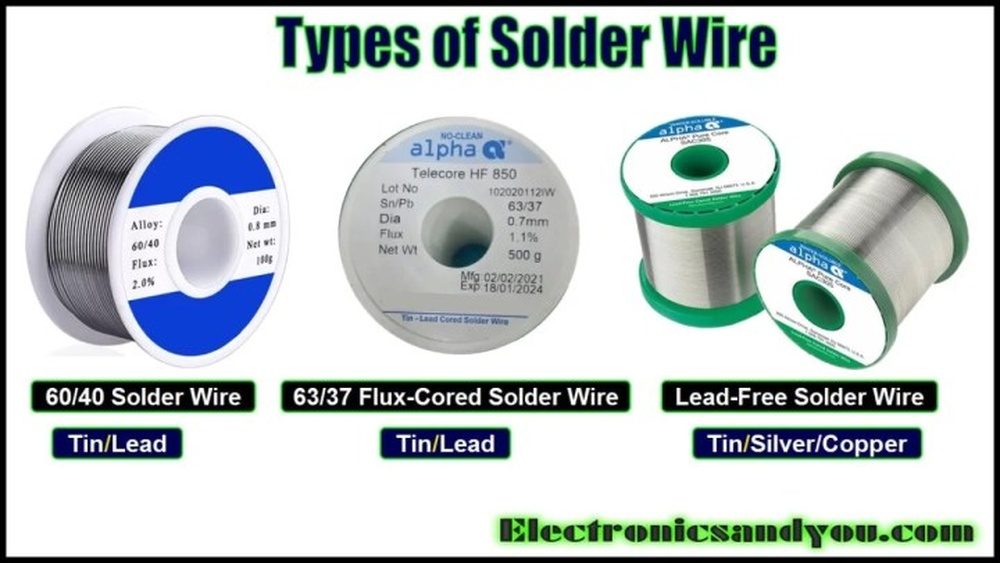
Soldering is a cornerstone technique in electronics, plumbing, and jewelry-making, but the materials used in solder have significant health and environmental implications. The shift from traditional lead-based solder wire to lead-free alternatives has been driven by global regulations and heightened awareness of lead’s toxicity. Identifying whether your solder wire is lead free is crucial for safety, compliance, and responsible project execution, yet many users still struggle to distinguish between different types, especially when packaging or markings are unclear.
Whether you’re a hobbyist, engineer, or procurement professional, understanding how to verify solder wire composition can prevent accidental exposure to hazardous substances and ensure products meet industry standards. This guide explores the methods, standards, and practical steps to determine if your solder wire is lead free, offering actionable advice, real-world examples, comparison tables, and answers to common questions for both beginners and seasoned practitioners.
Key Takeaways
- Lead-free solder wire can be identified through labeling, certifications, color, and testing methods.
- Global regulations like the RoHS Directive mandate the use of lead-free solder in many industries.
- Visual cues and simple chemical tests help distinguish lead-free from leaded solder, but professional analysis offers definitive confirmation.
- Understanding solder wire composition is essential for compliance, safety, and responsible manufacturing.
Understanding Solder Wire Composition
What Is Solder Wire?
Solder wire is a metal alloy used to join components by melting and flowing into the joint, then solidifying to create a strong electrical or mechanical connection. The two primary categories are:
- Lead-based solder: Traditionally contains around 60% tin and 40% lead (Sn60Pb40).
- Lead-free solder: Typically includes tin combined with metals like silver, copper, or bismuth.
Why Lead-free Solder Matters
Lead is highly toxic, causing neurological and developmental issues, especially in children. According to the World Health Organization, there is no safe exposure level for lead, and ingestion or inhalation can have lifelong health impacts. The push for lead-free solder wire is driven by:
- Health concerns: Lead exposure can cause anemia, kidney damage, and cognitive impairment.
- Environmental regulations: The European Union RoHS Directive bans lead in electronics above 0.1% by weight, making lead-free solder mandatory for most consumer products.
- Industry standards: Many manufacturers and distributors require lead-free certification for safety and regulatory compliance.
Common Lead-free Solder Compositions
Lead-free solder wire is typically made from:
- Tin-silver-copper (SAC): E.g., SAC305 (96.5% tin, 3% silver, 0.5% copper)
- Tin-copper (SnCu): E.g., Sn99.3Cu0.7
- Tin-bismuth (SnBi): E.g., Sn42Bi58
| Type | Composition | Melting Point (°C) | Common Use |
|---|---|---|---|
| Lead-based | Sn60Pb40 | 183-188 | Legacy electronics |
| SAC305 | Sn96.5Ag3.0Cu0.5 | 217-219 | Modern electronics |
| SnCu | Sn99.3Cu0.7 | 227 | General soldering |
| SnBi | Sn42Bi58 | 138 | Low-temp electronics |

Credit: www.youtube.com
Regulations And Industry Standards
Rohs Directive
The Restriction of Hazardous Substances (RoHS) Directive was introduced by the European Union to limit the use of hazardous materials in electrical and electronic equipment. Lead is restricted to a maximum concentration of 0.1% by weight in homogeneous materials. Products using solder wire in the EU market must comply with RoHS standards.
Other Global Regulations
- United States: While not as strict as the EU, the Consumer Product Safety Improvement Act (CPSIA) limits lead in children’s products and toys.
- Japan: The JIS Z 3282 standard regulates solder composition and labeling.
- China: The China RoHS mirrors EU restrictions, affecting electronics manufacturing.
Certification And Marking
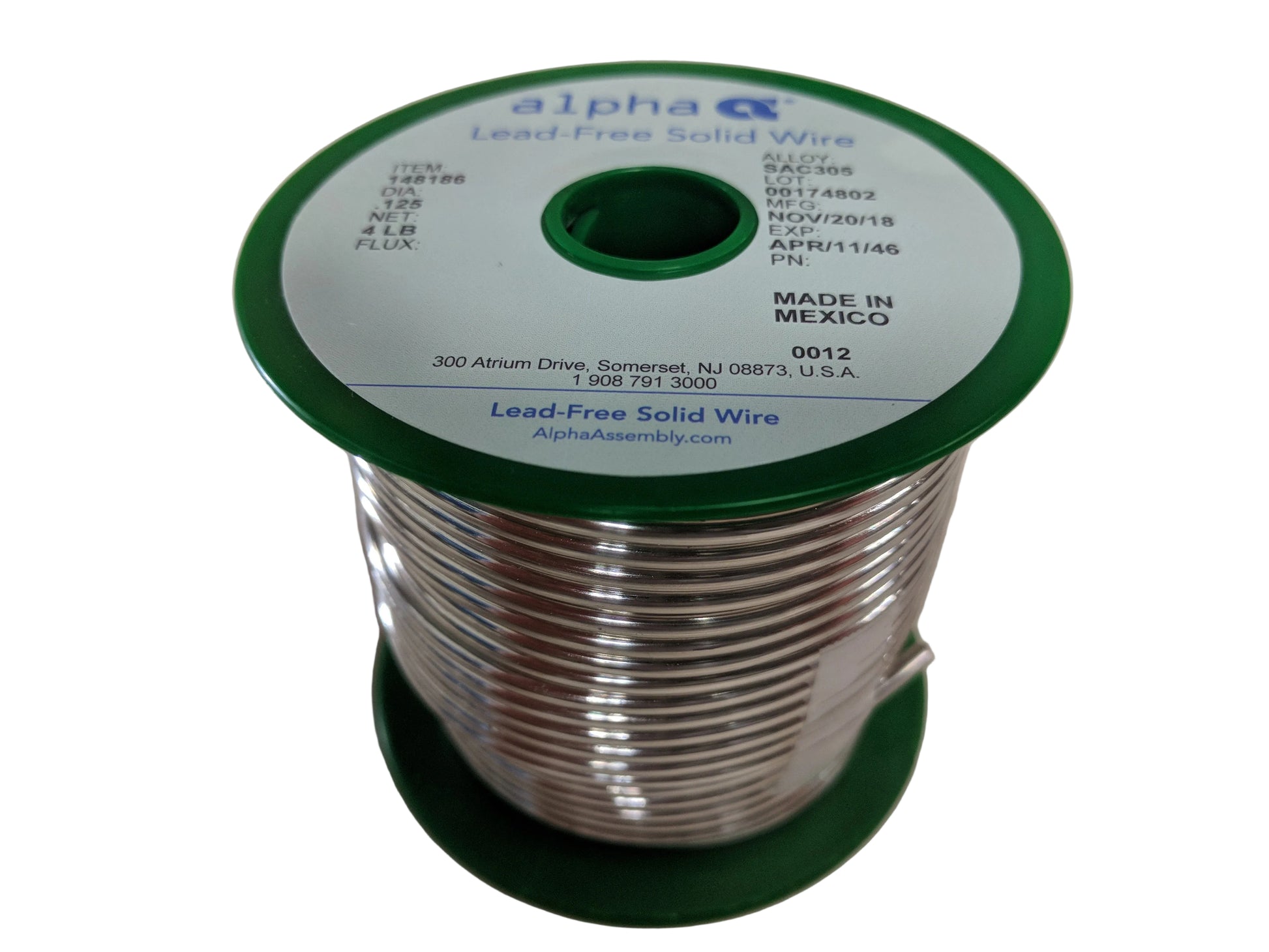
Manufacturers often mark solder wire as “lead-free” or with certifications such as RoHS-compliant, Pb-free, or specific alloy codes (e.g., SAC305). This labeling is essential for procurement and audit trails.
| Certification | Region | Lead Limit (%) | Marking Example |
|---|---|---|---|
| RoHS | EU | 0.1 | Pb-free, RoHS-compliant |
| CPSIA | US | 0.1 | Lead-free |
| JIS Z 3282 | Japan | 0.1 | Lead-free mark |
| China RoHS | China | 0.1 | Pb-free, China RoHS |
Credit: stellartechnical.com
Visual And Physical Identification Methods
Packaging And Labeling
The simplest way to determine if solder wire is lead free is by checking the packaging:
- Look for lead-free, Pb-free, or RoHS markings.
- Check for alloy codes like SAC305 or Sn99.3Cu0.7.
- Review the manufacturer’s datasheet for composition details.
Warning: Some older or generic brands may lack clear labeling. Always verify through secondary methods if the packaging is ambiguous.
Color And Appearance
Lead-free solder wire typically has a slightly brighter, shinier finish compared to leaded solder, which appears duller and gray. However, this method is not foolproof, as flux and manufacturing variations can affect appearance.
- Lead-free solder: Often more reflective and silvery.
- Leaded solder: Usually matte or dull gray.
Weight And Flexibility
In my experience, leaded solder wire is more pliable and heavier due to lead’s density. Lead-free solder may feel stiffer and lighter. This difference can be subtle and should not be relied upon as a sole identifier.
Manufacturer Documentation
If available, consult the Material Safety Data Sheet (MSDS) or technical datasheet. These documents list solder wire composition and compliance certifications.
- Request MSDS from supplier if not provided.
- Cross-reference data with regulatory standards.
Chemical And Analytical Testing
X-ray Fluorescence (xrf) Analysis
Professional laboratories and larger manufacturers use XRF analysis to determine solder wire composition. XRF identifies elements present in the solder, confirming the absence of lead.
- Provides precise elemental breakdown.
- Used for compliance audits and quality control.
Example: Electronics manufacturers subject batches of solder wire to XRF scanning to ensure RoHS compliance before shipping products to the EU market.
Spot Test Kits
DIY spot test kits are available for detecting lead in solder wire. These kits often use a chemical reagent that changes color upon contact with lead.
- Quick and inexpensive.
- Not as reliable as laboratory testing.
Pro Tip: Use spot test kits as a preliminary check, but seek professional lab analysis for definitive results, especially in commercial or regulated environments.
Melting Point Analysis
Lead-free solder has a higher melting point than leaded solder. Testing the melting point can indicate composition:
- Leaded solder: 183, 188°C
- Lead-free solder: 217, 227°C (most alloys)
If your soldering iron struggles to melt the wire at standard temperatures, it may be lead free.
Laboratory Analysis
For critical applications, send a sample to a certified laboratory for composition analysis. This method is required for legal compliance in some industries.
- Ensures full regulatory alignment.
- Recommended for large-scale manufacturing and health-sensitive products.
Real-world Examples And Short Case Studies
Electronics Manufacturing Firm: Compliance Audit
A US-based electronics manufacturer needed to verify that all solder wire used in production was lead free to maintain RoHS certification. After discovering ambiguous labeling on a batch of solder, the company conducted XRF analysis, confirming the presence of less than 0.1% lead. The firm then updated procurement protocols to only accept solder wire with clear RoHS-compliant labeling and documentation.
Diy Hobbyist: Spot Test Experience
A hobbyist purchased solder wire from an online marketplace, only to find the packaging lacked any indication of lead content. Using a spot test kit from a local hardware store, they detected lead and switched to a reputable brand offering clearly marked Pb-free solder. This experience underscored the importance of checking both labeling and using simple test kits when sourcing from less-known suppliers.
School Electronics Lab: Health And Safety
A high school electronics lab replaced its legacy solder wire with SAC305 lead-free solder following concerns from parents about student exposure to lead. The lab used melting point analysis and checked packaging for lead-free certification, ensuring compliance with local health regulations and providing a safer learning environment.
Step-by-step Guide: How To Know If Solder Wire Is Lead Free
1. Examine Packaging And Labeling
- Look for lead-free or Pb-free markings.
- Check for regulatory certifications like RoHS or alloy codes (e.g., SAC305).
- Review manufacturer datasheets or MSDS.
2. Assess Visual And Physical Characteristics
- Observe color (lead-free is shinier).
- Feel for stiffness (lead-free is less pliable).
- Check for unusual weight differences.
3. Use Chemical Spot Test Kits
- Purchase a lead detection kit from a hardware or electronics store.
- Follow instructions to test a small sample.
- Interpret results, presence of lead will trigger a color change.
4. Conduct Melting Point Test
- Set soldering iron to 188°C; try to melt the wire.
- If the wire does not melt, increase to 220°C; successful melting at higher temperature suggests lead-free solder.
5. Request Or Review Documentation
- Ask supplier for MSDS or compliance certificates.
- Confirm composition and regulatory status.
6. Professional Analysis (if Needed)
- Send sample for XRF analysis or laboratory testing.
- Use results for compliance documentation.
Example: When I tested a batch of solder wire from an electronics supply store, ambiguous labeling prompted a melting point test and spot kit check, ultimately confirming it was lead-free SAC305.
Comparing Lead-free And Leaded Solder Wire
| Characteristic | Leaded Solder Wire | Lead-Free Solder Wire |
|---|---|---|
| Health Risk | High (Lead toxicity) | Low (No lead) |
| Melting Point | 183, 188°C | 217, 227°C |
| Regulatory Compliance | Usually non-compliant | Compliant (RoHS, etc.) |
| Appearance | Dull gray | Shiny silver |
| Pliability | Softer, more flexible | Stiffer |
| Markings | Often lacks modern certifications | Labeled Pb-free, RoHS |
| Common Use | Legacy products | Modern electronics, plumbing |
Risks And Best Practices
Health And Environmental Risks
Using leaded solder wire poses significant risks:
- Inhalation of fumes: Lead vapor can accumulate in poorly ventilated areas.
- Skin contact: Lead can be absorbed through skin, especially with repeated exposure.
- Waste disposal: Lead solder must be handled as hazardous waste.
Consult a certified professional or environmental health specialist for risk assessment and safe disposal methods. For further information, see the CDC Lead Safety Guidelines.
Best Practices For Safe Soldering
- Use lead-free solder wire whenever possible.
- Ensure proper ventilation and wear protective equipment.
- Source solder from reputable suppliers with clear labeling and certifications.
- Conduct routine compliance checks in regulated industries.
Pro Tip: Always wash hands thoroughly after handling solder wire, regardless of composition.
Sourcing And Procurement Strategies
Choosing Reputable Suppliers
- Select brands with strong compliance records (e.g., Kester, Alpha, Indium Corp).
- Demand documentation and certification for each batch.
- Avoid generic or unbranded solder wire, especially from online marketplaces.
Procurement Checklist
- Verify lead-free labeling and regulatory compliance.
- Request datasheets and MSDS from supplier.
- Check for industry certifications (RoHS, Pb-free).
- Test samples if labeling is unclear.
- Review supplier reputation and audit history.
Bulk Purchasing For Manufacturing
Manufacturers should establish protocols for batch testing and supplier audits. Incorporate lead-free verification into quality management systems.
- Schedule routine XRF or laboratory analysis.
- Train procurement staff on visual and documentation checks.
- Maintain detailed records for compliance audits.
Advanced Identification Techniques
Spectroscopic Analysis
Beyond XRF, techniques like Inductively Coupled Plasma Mass Spectrometry (ICP-MS) offer ultra-sensitive detection of lead and other metals. These methods are typically reserved for high-stakes applications (e.g., medical devices, aerospace).
Digital Traceability
Some suppliers offer digital traceability via QR codes or serial numbers, linking each spool to batch-level compliance documentation.
- Scan QR code to access certification and composition data.
- Enhances transparency and audit readiness.
Third-party Certification
Independent labs may provide lead-free certification for solder wire batches. This certification adds a layer of trust and is especially valuable for export and regulated industries.
Example: An electronics manufacturer exporting products to the EU attached third-party certification reports to customs documentation, streamlining border compliance checks.
Frequently Asked Questions
What Are The Consequences Of Using Leaded Solder Wire In Regulated Industries?
Using leaded solder wire in regulated industries can result in product recalls, legal penalties, and loss of certifications such as RoHS compliance. It may also pose health risks to workers and end-users, necessitating costly remediation and reputational damage.
Are There Performance Differences Between Leaded And Lead-free Solder Wire?
Yes, lead-free solder wire generally has a higher melting point, which can make soldering slightly more challenging. Some lead-free alloys may exhibit increased brittleness or reduced wetting compared to leaded solder, but modern formulations (e. g. , SAC305) have narrowed the performance gap.
Use specialized flux and adjust soldering techniques to compensate.
How Can I Safely Dispose Of Leaded Solder Wire?
Lead solder wire should be treated as hazardous waste. Contact your local waste management authority or refer to the EPA Household Hazardous Waste Guidelines for safe disposal methods. Never discard leaded solder in regular trash or down drains.
Is Lead-free Solder Wire Suitable For Plumbing Applications?
Yes, lead-free solder wire is mandated for potable water plumbing in most regions. It is formulated to meet safety standards and provides reliable joints for copper pipes. Check for NSF certification and local code compliance before use.
What Should I Do If Solder Wire Labeling Is Missing Or Unclear?
If solder wire labeling is missing or unclear, perform a chemical spot test or melting point analysis. Request documentation from the supplier, and if in doubt, avoid using the solder for critical or regulated applications. Professional laboratory testing can provide definitive answers when compliance is required.
Solder wire composition is more than a technical detail, it’s a matter of health, safety, and regulatory compliance. By employing a combination of visual inspection, chemical testing, and documentation review, you can confidently determine whether your solder wire is lead free.
Always prioritize reputable suppliers, adhere to best practices, and consult professionals for complex or regulated projects. With these strategies, you’ll ensure safer, more responsible soldering in every application.