
Soldering wire is a foundational material in the electronics, plumbing, and metalworking industries, enabling connections that power everything from smartphones to spacecraft. Understanding what soldering wire is made of can transform how you approach projects, improve safety, and increase the longevity of your work.
With the proliferation of electronics and the shift toward more environmentally conscious materials, the composition of soldering wire has become a critical consideration for professionals and hobbyists alike.
From classic tin-lead blends to modern lead-free alternatives, the evolution of soldering wire reflects both technological advancement and regulatory changes. This article provides a deep dive into the materials, manufacturing processes, and performance factors that define soldering wire. Whether you’re a seasoned technician, a student, or a DIY enthusiast, knowing what goes into soldering wire will help you choose the right product, work safely, and achieve optimal results.
Key Takeaways
- Soldering wire is primarily made from combinations of metals such as tin, lead, silver, copper, and antimony.
- The choice between lead-based and lead-free solder impacts performance, environmental safety, and regulatory compliance.
- Flux core soldering wire includes a chemical agent that enhances bonding and prevents oxidation during soldering.
- Manufacturing processes and quality standards directly influence solder wire reliability and usability.
- Real-world examples show how soldering wire composition affects device performance and safety in electronics and plumbing.
- Data-driven comparison tables help users select the best soldering wire for specific applications and environments.

Credit: www.amazon.com
The Fundamentals: What Is Soldering Wire?
Soldering wire is a specialized metal alloy used to join components by melting and flowing into the joint, then solidifying to create a strong electrical and mechanical connection. Its primary function is to ensure reliable conductivity and secure bonding between metals, typically in electrical circuits, plumbing, and metal arts.
The Role Of Alloys In Soldering Wire
Most soldering wires are composed of metal alloys designed to melt at relatively low temperatures. Alloys combine two or more metals to achieve desired properties, such as improved strength, reduced melting point, or enhanced corrosion resistance. The most common soldering wire alloys include:
- Tin-Lead (Sn-Pb): Traditionally, soldering wire was made from a mixture of tin and lead, commonly in a 60/40 or 63/37 ratio. Tin provides ductility and corrosion resistance, while lead lowers the melting point and improves flow.
- Lead-Free Alternatives: Due to health and environmental concerns, modern soldering wires often substitute lead with metals like silver, copper, and antimony.
Physical Characteristics
Soldering wire is typically available in various diameters, ranging from 0.3mm up to 2mm or more, to accommodate different application requirements. The wire may be solid or contain a flux core, which is a chemical agent that cleans the surfaces during soldering.
Example: Electronics Repair
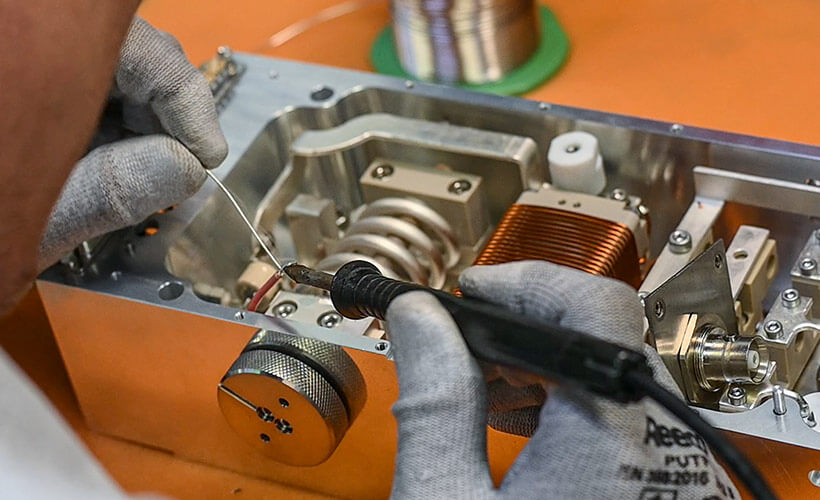
For example, in electronics repair, using a 0. 8mm diameter tin-lead soldering wire with rosin flux ensures precise connections and minimizes the risk of bridging. The wire’s alloy composition directly affects solder joint reliability, especially in sensitive microcontroller circuits.

Credit: en.goot.jp
Core Materials: Metal Components Of Soldering Wire
The most critical aspect of soldering wire is its metal composition. These metals determine melting point, conductivity, mechanical strength, and environmental safety.
Tin (sn)
Tin is the primary metal in most soldering wires, prized for its high conductivity, corrosion resistance, and relatively low melting point (232°C/450°F). Tin’s softness allows easy manipulation and ensures a smooth flow during soldering.
Lead (pb)
Lead was historically used alongside tin to lower the melting point and improve the wire’s fluidity. The standard 60/40 tin-lead solder melts at approximately 188°C/370°F. However, lead is toxic, posing health risks through inhalation or skin contact, leading to widespread regulatory bans.
Silver (ag)
Silver is added to some lead-free soldering wires to improve electrical conductivity and mechanical strength. Silver-containing alloys, such as SAC305 (96.5% tin, 3% silver, 0.5% copper), are widely used in high-performance electronics and medical devices due to their reliability.
Copper (cu)
Copper enhances strength and thermal conductivity. In lead-free solder, copper often replaces lead, contributing to longer-lasting joints. Copper’s melting point is higher, so its percentage is typically low to maintain solderability.
Antimony (sb)
Antimony increases hardness and prevents the formation of tin whiskers, which can cause electrical shorts. It’s mainly used in soldering wire for plumbing and industrial applications.
Comparison Table: Melting Points And Properties
| Alloy Composition | Melting Point (°C) | Conductivity | Strength | Environmental Impact |
|---|---|---|---|---|
| 60/40 Tin-Lead | 188 | High | Moderate | High (Lead toxicity) |
| SAC305 (Tin-Silver-Copper) | 217-219 | Very High | High | Low (Lead-free) |
| Tin-Copper | 227 | High | Moderate | Low |
| Tin-Antimony | 240 | Moderate | High | Low |
Credit: vectorbluehub.com
Flux: The Hidden Ingredient Inside Soldering Wire
While the metal alloy forms the base of soldering wire, flux is often integrated to enhance performance. Flux is a chemical cleaning agent that removes oxidation from metal surfaces, improves wetting, and enables stronger joints.
Types Of Flux Used In Soldering Wire
- Rosin Flux: Derived from pine resin, rosin flux is non-corrosive and ideal for electronics. It leaves residue that is non-conductive and safe unless exposed to moisture.
- No-Clean Flux: Designed for modern electronics, this flux leaves minimal residue that doesn’t require cleaning after soldering, streamlining production.
- Acid Flux: Used in plumbing and metalwork, acid flux aggressively cleans surfaces but is unsuitable for electronics due to its corrosive nature.
Flux Core Vs. Solid Soldering Wire
Flux core soldering wire contains a hollow core filled with flux. When heated, flux is released, cleaning surfaces and aiding in bonding. Solid soldering wire requires manual flux application, common in jewelry and heavy metalwork.
Example: Pcb Assembly
In printed circuit board (PCB) assembly, using rosin-core soldering wire prevents oxidation, ensuring reliable connections between microchips and contacts. Engineers often select no-clean flux for automated manufacturing to avoid post-solder cleaning steps.
Pro Tip:
For electronics, always choose rosin core or no-clean flux soldering wire to prevent corrosion and reduce post-solder cleaning.
Lead-based Vs. Lead-free Soldering Wire: A Comparative Analysis
The shift from traditional lead-based soldering wire to lead-free alternatives has reshaped the industry, especially in electronics manufacturing.
Lead-based Soldering Wire
Lead-based soldering wire dominated the market for decades due to its low melting point, excellent flow, and ease of use. However, the toxicity of lead presents significant health and environmental risks. Lead exposure can cause neurological damage, especially in children, and contaminate soil and water.
Lead-free Soldering Wire
Lead-free soldering wire is now mandated in many regions, including the European Union under the RoHS (Restriction of Hazardous Substances) Directive. Common lead-free alloys include:
- SAC305 (Tin-Silver-Copper)
- Tin-Copper
- Tin-Antimony
These alloys offer comparable performance but require higher soldering temperatures and careful process control.
Data Table: Lead-based Vs. Lead-free Solder Wire
| Property | Lead-Based | Lead-Free |
|---|---|---|
| Melting Point (°C) | 188 | 217-240 |
| Environmental Safety | Poor | Good |
| Electrical Conductivity | High | Very High |
| Mechanical Strength | Moderate | High |
| Regulatory Compliance | Limited | Wide |
Example: Consumer Electronics Manufacturing
Major companies such as Apple and Samsung have switched to lead-free soldering wire to comply with global regulations and reduce environmental impact. This transition has spurred innovation in soldering alloy chemistry to maintain reliability and performance.
Warning:
Switching to lead-free soldering wire may require recalibration of soldering irons and process adjustments due to higher melting temperatures.
Manufacturing Processes And Quality Control
The manufacturing of soldering wire involves precise metallurgical processes to ensure uniformity, purity, and performance.
Alloying And Extrusion
Raw metals are melted and alloyed in controlled environments to prevent contamination. The molten alloy is then extruded into wires of varying diameters. Consistency in alloy ratios is crucial for predictable melting behavior and joint integrity.
Flux Integration
For flux core soldering wire, manufacturers inject flux into the wire’s center during extrusion. The flux must be stable and evenly distributed to ensure effective performance across the wire’s length.
Quality Assurance
Manufacturers conduct rigorous tests, including:
- Composition Analysis: Ensures correct alloy ratios.
- Diameter Inspection: Maintains wire uniformity.
- Flux Distribution Tests: Verifies even flux release.
Example: Automotive Electronics
Automotive electronics require soldering wire that passes vibration and thermal cycling tests. High-quality manufacturers, like Kester and AIM, use advanced quality control to guarantee reliability in harsh conditions.
Pro Tip:
Always check for certifications such as ISO or RoHS compliance when purchasing soldering wire to ensure safety and performance.
Environmental And Health Considerations
The composition of soldering wire has significant implications for health and environmental safety.
Lead Exposure Risks
Lead-based soldering wire poses risks through inhalation of fumes and direct contact. Chronic exposure can cause neurological, reproductive, and renal damage. Regulations in the US, EU, and Asia now restrict lead use in most consumer products.
Lead-free Initiatives
Organizations like the International Electronics Manufacturing Initiative (iNEMI) promote lead-free soldering wire to reduce environmental contamination. Lead-free options are considered safer but require proper handling due to higher melting points and potential for increased flux fumes.
Disposal And Recycling
Soldering wire scraps and waste must be properly disposed of to prevent environmental harm. Some recycling centers accept solder wire, recovering valuable metals.
Example: School Electronics Labs
Educational institutions often mandate lead-free soldering wire to protect students and staff. In my experience, using SAC305 solder in school projects minimized exposure risks and met regulatory requirements.
Pro Tip:
Use local recycling programs for soldering wire waste and always work in well-ventilated areas to minimize fume exposure.
Soldering Wire In Real-world Applications
Understanding what soldering wire is made of helps select the right product for specific industries and tasks.
Electronics Assembly
- PCBs: Lead-free soldering wire with no-clean flux is standard in modern PCB manufacturing.
- Microcontrollers: Fine-diameter wire ensures precision and avoids shorts.
Plumbing
- Copper Pipes: Tin-antimony soldering wire is used for water supply lines due to its strength and resistance to corrosion.
- Lead-Free Plumbing: US regulations mandate lead-free solder for potable water systems.
Jewelry And Metal Arts
- Solid Soldering Wire: Gold and silver soldering wire, often with custom alloys, are used in jewelry making.
- Flux Application: Acid-based flux is common for metals that are difficult to bond.
Example: Medical Device Manufacturing
Medical devices require soldering wire with stringent purity and reliability standards. Lead-free SAC305 solder is preferred for safety and compliance, as noted in a IPC industry report.
Selecting The Right Soldering Wire: Criteria And Comparison
Choosing soldering wire depends on the application, regulatory requirements, and desired performance.
Key Criteria
- Alloy Composition: Match the alloy to your application (electronics vs. plumbing).
- Diameter: Finer wires for precision; thicker wires for heavy-duty tasks.
- Flux Type: Rosin for electronics, acid for plumbing, no-clean for automated production.
- Certifications: ISO, RoHS, or industry-specific standards.
- Melting Point: Must align with equipment capabilities.
Comparison Table: Soldering Wire For Different Applications
| Application | Recommended Alloy | Diameter (mm) | Flux Type | Certification |
|---|---|---|---|---|
| Electronics | SAC305 | 0.5-1.0 | Rosin/No-Clean | RoHS |
| Plumbing | Tin-Antimony | 1.5-2.0 | Acid | Lead-Free |
| Jewelry | Gold/Silver Alloy | Varies | Acid/Manual | ISO |
| Automotive | SAC305/Tin-Copper | 1.0-1.5 | No-Clean | ISO/Automotive |
Example: Diy Electronics Projects
In my experience, selecting 0. 8mm SAC305 soldering wire with no-clean flux resulted in strong, reliable solder joints for Arduino and Raspberry Pi projects, with minimal residue and compliance with RoHS standards.
Innovations And Future Trends In Soldering Wire
Soldering wire technology continues to evolve as new materials and manufacturing methods emerge.
Nanotechnology And Micro-alloys
Researchers are developing soldering wires with nanoparticle-enhanced alloys to improve joint strength and reduce melting points. These innovations are critical for miniaturized electronics and wearable devices.
Eco-friendly Soldering Wire
Eco-friendly alternatives use recycled metals and biodegradable fluxes. Companies are investing in sustainable production to reduce environmental impact, as reported by Wikipedia.
Smart Flux Technology
Smart flux formulations are designed to optimize activation and residue control, enabling automated quality assurance in large-scale manufacturing.
Pro Tip:
Watch for nanotechnology soldering wire in upcoming electronics, these products offer lower melting points and increased reliability for compact designs.
Frequently Asked Questions
What Is The Difference Between Solid And Flux Core Soldering Wire?
Solid soldering wire is purely metal, requiring separate flux application during soldering. Flux core soldering wire has a hollow center filled with flux, released during soldering to clean and prepare surfaces automatically. Flux core wires are preferred in electronics for convenience and improved joint quality.
Can Soldering Wire Be Recycled, And How Should I Dispose Of It?
Yes, soldering wire can be recycled at specialized centers that recover valuable metals like tin and silver. For disposal, avoid throwing soldering wire in household waste. Contact local hazardous waste or electronics recycling facilities to ensure safe and environmentally responsible handling.
How Do I Choose The Right Soldering Wire Diameter For My Project?
Select a diameter based on the size of the components and precision required. For delicate electronic work, use finer wires (0. 5-0. 8mm). For plumbing or larger electrical tasks, opt for thicker wires (1. 5-2. 0mm). The right diameter improves control and reduces excess solder use.
Are There Health Risks Associated With Soldering Wire Fumes?
Soldering wire fumes may contain metal vapors and flux decomposition products, which can irritate the respiratory system. Lead-based solder fumes are especially hazardous. Always work in a well-ventilated area and consider using fume extraction systems, particularly with rosin or acid flux.
What Certifications Should I Look For When Buying Soldering Wire?
Check for certifications such as ISO 9001 (quality management), RoHS (lead-free compliance), and industry-specific marks like IPC for electronics. These certifications ensure the soldering wire meets safety, environmental, and performance standards for your application.
Soldering wire is more than just a tool, its composition shapes the reliability, safety, and sustainability of countless products and projects. By understanding the metals, fluxes, and manufacturing methods involved, you can make informed choices that protect your health, meet regulatory requirements, and achieve superior results.
Whether you’re working with microelectronics or plumbing, selecting the right soldering wire is an investment in quality and peace of mind.