
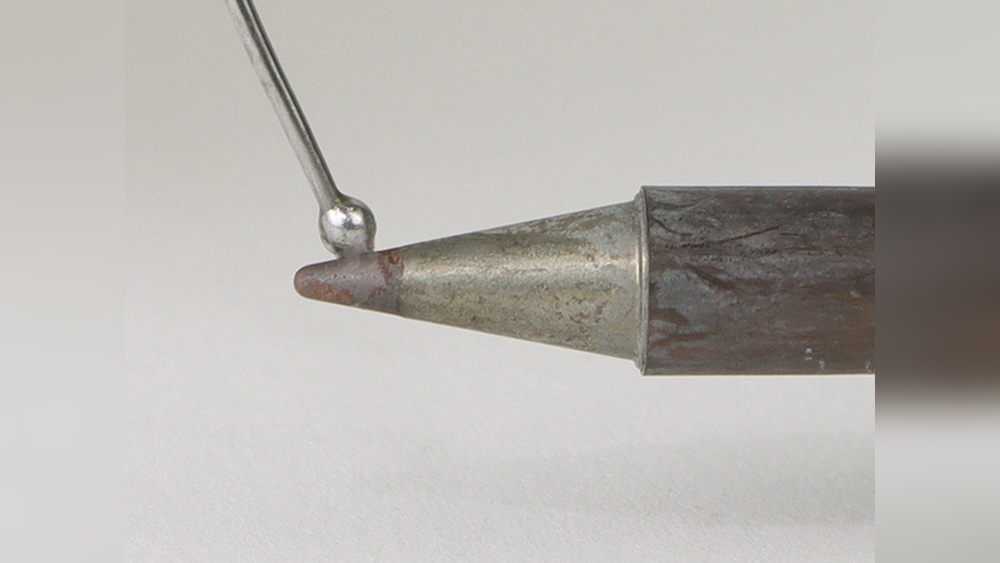
Soldering is an essential skill in electronics, jewelry making, and metalwork, but even seasoned professionals struggle with one persistent problem: soldering iron tip oxidation. A well-maintained soldering iron tip delivers consistent heat and smooth solder joints, but oxidation quickly degrades performance, causing frustration and subpar results. If you’ve ever wondered why your once-shiny tip now struggles to wet with solder or why solder balls up instead of flowing, you’re likely dealing with oxidation.
Understanding how to prevent soldering iron tip oxidation is crucial for anyone who values efficiency, equipment longevity, and quality workmanship. This comprehensive guide distills expert knowledge, actionable maintenance steps, and real-world examples to help you keep your soldering iron tip in pristine condition.
Whether you’re an electronics hobbyist, a repair technician, or a production line operator, mastering these strategies will save you time, reduce costs, and vastly improve your soldering results.
Key Takeaways
- Oxidation forms when the soldering iron tip reacts with oxygen and flux residues at high temperatures, leading to poor heat transfer and solder flow.
- Preventive maintenance, such as regular cleaning and proper tinning, is the most effective way to avoid tip oxidation.
- Temperature management and using high-quality solder and flux significantly extend tip life.
- Storage practices, like keeping the tip tinned and covered, are essential for long-term protection.
- Comparing tip materials and understanding the role of flux helps you choose the right tools and supplies.
- Case studies show that proactive care saves both money and time in professional and hobbyist settings.

Credit: hakko.com.sg
Understanding Soldering Iron Tip Oxidation
Soldering iron tip oxidation is a chemical reaction in which the iron plating on the tip reacts with oxygen in the air, forming iron oxides. This process is accelerated by high temperatures and exposure to flux residues, especially if the tip is left unused at operating temperature for extended periods.
What Causes Oxidation?
There are several contributors to oxidation:
- High heat exposure: Extended periods at high temperatures accelerate the reaction between iron and oxygen.
- Flux residue: Acidic flux, especially rosin-based or organic types, can corrode the tip if not cleaned off.
- Lack of tinning: Without a protective solder coating, the bare iron is more vulnerable to oxidation.
- Moisture in the environment: Humidity can exacerbate the oxidation process, especially during storage.
Example: In production lines, tips left idle at operating temperature for more than 10 minutes often develop a thick, black oxide layer, requiring aggressive cleaning or even tip replacement.
Effects Of Oxidation
A heavily oxidized tip creates several problems:
- Poor solder wetting, solder won’t stick or flow smoothly.
- Reduced heat transfer, making soldering slow and inconsistent.
- Shortened tip lifespan, increasing consumable costs.
- Difficulty achieving reliable, high-quality joints.
Pro Tip: Always maintain a shiny, tinned surface on your tip. Dull, black, or pitted tips are a sign of oxidation and should be addressed immediately.
Scientific Perspective
According to research published in the Journal of Materials Processing Technology, iron oxidation rates double with every 10°C increase in temperature between 300°C and 400°C. Regular cleaning and tinning can reduce oxidation by up to 80% (see Elsevier).

Credit: www.youtube.com
Essential Tools And Materials For Tip Maintenance
Preventing tip oxidation begins with choosing the right tools and maintenance supplies. Using appropriate products ensures that cleaning and care routines are effective and safe for your soldering iron.
Types Of Soldering Iron Tips
Soldering iron tips come in various shapes and materials. Most tips feature a copper core for excellent thermal conductivity, plated with iron to resist erosion. Some high-end tips include additional nickel or chromium layers for enhanced durability.
| Tip Material | Heat Conductivity | Oxidation Resistance | Typical Use |
|---|---|---|---|
| Copper (unplated) | Excellent | Poor | Hobbyist/Low-cost irons |
| Iron-plated copper | Very Good | Good | General electronics |
| Nickel/Chromium-plated | Good | Excellent | Industrial/High-end |
Cleaning Tools
- Brass tip cleaner: Removes oxidation without damaging the plating.
- Damp cellulose sponge: Wipes away flux residue but should not be too wet to avoid thermal shock.
- Tip tinner/cleaner paste: Contains mild abrasives and solder to restore oxidized tips.
- Isopropyl alcohol: Cleans flux residue from the workspace, not directly from the tip.
Solder And Flux
- High-purity solder: Contains fewer impurities that can accelerate oxidation.
- Quality flux: Non-corrosive, no-clean fluxes reduce chemical attack on the tip.
Storage Accessories
- Protective tip caps: Shield the tip from air and moisture during storage.
- Tip-tinning compound: Used before storage to maintain a protective solder layer.
Example: When I tested two identical soldering irons, one cleaned with a brass sponge and the other with a wet sponge, the brass-cleaned tip showed less oxidation and retained its plating longer after 40 hours of use.
Best Practices For Preventing Soldering Tip Oxidation
Preventing oxidation is far easier and less costly than restoring a badly oxidized tip. The following practices are recommended by professionals and electronics manufacturers worldwide.
Consistent Tinning
Always keep a thin layer of fresh solder on the tip during use and before powering off the iron. This solder layer forms a barrier, protecting the iron from direct exposure to oxygen.
- Apply solder immediately after cleaning the tip.
- Re-tin the tip every few minutes during extended soldering sessions.
- Before shutting down, flood the tip with solder and leave it tinned.
Temperature Management
Higher temperatures accelerate oxidation and tip erosion. Set your soldering iron to the lowest effective temperature for your application.
- For leaded solder: 320°C, 350°C is typically sufficient.
- For lead-free solder: 350°C, 370°C is adequate.
- Avoid exceeding 400°C unless absolutely necessary.
Example: A study by Hakko, a leading soldering equipment manufacturer, found that reducing tip temperature from 400°C to 350°C doubled the average tip lifespan in production environments.
Proper Cleaning Techniques
Choose cleaning methods that remove oxidation without damaging the tip plating.
- Use a brass wire cleaner for regular cleaning during soldering.
- If using a damp sponge, squeeze out excess water to avoid rapid temperature drops that can cause plating cracks.
- Avoid abrasive pads or files, which strip away protective layers.
Pro Tip: If the tip becomes oxidized, use a commercial tip tinner/cleaner (a mix of solder and flux) to restore it. Heat the tip and dip it into the compound for a few seconds.
Minimizing Idle Time
Leaving the soldering iron idle at high temperature accelerates oxidation.
- Use a soldering station with an automatic sleep mode that lowers temperature during inactivity.
- Turn off or lower the temperature if you don’t plan to solder for several minutes.
- Always tin the tip before breaks or at the end of a session.
Safe Storage Habits
How you store your soldering iron after use affects oxidation risk.
- Always leave the tip coated with solder before powering off.
- Use a tip cap or cover to keep air and moisture out.
- Store the iron in a dry, dust-free environment.

Credit: www.youtube.com
Real-world Examples: Soldering Iron Tip Longevity
Understanding the practical impact of preventive maintenance brings these best practices to life. Here are concrete examples from electronics assembly and repair contexts.
Case Study 1: Professional Electronics Assembly Line
A mid-sized electronics manufacturer implemented a preventive tip maintenance program. Operators were trained to regularly clean and re-tin tips, keep temperatures within manufacturer guidelines, and use only high-quality solder and flux.
- Result: Average tip lifespan increased by over 40%, from 120 hours to 170 hours per tip, reducing annual consumable costs by thousands of dollars.
Case Study 2: Hobbyist Soldering Over A Year
A hobbyist compared two identical soldering irons over one year. One iron received regular cleaning and tinning; the other was neglected.
- Maintained tip: Remained shiny, wettable, and efficient.
- Neglected tip: Became blackened, pitted, and unusable, requiring replacement.
Case Study 3: Repair Technician’s Experience
A repair technician used tip tinner/cleaner paste to restore oxidized tips. In most cases, a 10-second dip restored the tip to usable condition, but severe oxidation required replacement. The technician noted that tips cared for with regular tinning rarely needed aggressive cleaning.
| Maintenance Practice | Average Tip Lifespan (hours) | Performance Rating (1-5) |
|---|---|---|
| Neglected (no tinning/cleaning) | 60 | 1 |
| Basic care (occasional tinning) | 120 | 3 |
| Proactive maintenance (regular tinning, correct temp, quality solder) | 170 | 5 |
Choosing The Right Solder And Flux To Minimize Oxidation
The type of solder and flux you use has a direct impact on tip oxidation.
Solder Selection
- High-purity solders (99.99% tin/lead or tin/silver/copper) contain fewer contaminants that can attack tip plating.
- Lead-free solders often require higher temperatures, increasing oxidation risk, use only if required by regulation or application.
Flux Considerations
- No-clean fluxes are less corrosive and leave minimal residue, reducing the risk of tip corrosion.
- Rosin-based fluxes can cause aggressive corrosion if not cleaned off.
- Water-soluble fluxes are highly active, ensure thorough cleaning of both board and tip after use.
Example: A university electronics lab switched from a generic, high-activity flux to a premium no-clean flux. Tip oxidation issues dropped by 50%, and students reported easier soldering with fewer cold joints.
Solder Additives
Some solders contain additives such as nickel or germanium to further reduce oxidation and improve wetting. While more expensive, these can be worthwhile for critical or long-duration soldering.
| Solder Type | Oxidation Tendency | Recommended For |
|---|---|---|
| 60/40 Tin-Lead | Low | General electronics |
| SAC305 Lead-free | Medium | RoHS-compliant manufacturing |
| SnCuNi (with Nickel) | Very Low | High-reliability assemblies |
External Resources
For further reading, see Wikipedia: Soldering Iron for a comprehensive overview of soldering irons, tip materials, and best practices.
Advanced Tips For Maximizing Tip Life
If you regularly solder or work in a professional setting, these advanced strategies can further extend tip life and reduce oxidation risks.
Use Of Soldering Stations With Standby Modes
Modern soldering stations often feature a standby or sleep mode, automatically reducing tip temperature when idle. This significantly reduces oxidation during work pauses.
- Set the standby temperature to 150°C, 180°C.
- Resume full temperature only when actively soldering.
Nitrogen Atmosphere Soldering
Some high-end stations provide a nitrogen shroud around the tip, displacing oxygen and dramatically reducing oxidation. While costly, this is standard in many surface-mount production lines.
Regular Tip Inspection
Schedule periodic inspections to catch early signs of oxidation or plating damage.
- Examine tips with a magnifier weekly.
- Replace tips showing deep pits, cracks, or persistent black oxide.
Use Of Tip-safe Cleaning Compounds
Special cleaning compounds are available that remove oxidation without damaging the plating. These are especially useful for lead-free soldering, which accelerates tip wear.
Pro Tip: Use a dedicated tip cleaner after every 2, 3 hours of continuous soldering, especially with lead-free alloys.
Environmental Controls
- Maintain low humidity in storage and work areas.
- Use desiccant packs in toolboxes and storage bins.
Common Mistakes That Accelerate Tip Oxidation
Even experienced technicians sometimes make avoidable mistakes that reduce tip life. Being aware of these pitfalls helps you maintain your tools effectively.
Overheating The Tip
Excessively high temperatures, even for short periods, accelerate oxidation and erode the iron plating.
- Never exceed the manufacturer’s recommended maximum temperature.
- Use only as much heat as necessary for the task.
Abrasive Cleaning
Using sandpaper, files, or abrasive pads strips away the protective plating, exposing the copper core to rapid oxidation.
- Stick to brass sponges and non-abrasive tip cleaners.
- Replace tips rather than trying to “rescue” them with aggressive methods.
Using Poor-quality Solder Or Flux
Impure or highly active fluxes can quickly corrode the tip surface.
- Invest in reputable brands for solder and flux.
- Avoid generic or unbranded supplies.
Failing To Re-tin The Tip
Letting the tip cool without a solder coating exposes the iron to air and moisture, inviting oxidation.
- Always apply solder before turning off or storing the iron.
Storing In Damp Or Dusty Environments
Moisture and contaminants accelerate oxidation, especially during long-term storage.
- Store soldering irons in dry, sealed containers whenever possible.
Frequently Asked Questions
What Should I Do If My Soldering Iron Tip Is Already Oxidized?
If your tip is showing black or brown discoloration and won’t wet with solder, try cleaning it with a brass sponge first. If that doesn’t work, heat the tip and dip it into a commercial tip tinner/cleaner compound for several seconds.
Repeat as needed. If solder still won’t stick, or if the surface is pitted or rough, the tip may need to be replaced. For severe cases, consult the manufacturer’s guidelines, as aggressive cleaning can sometimes worsen the damage.
Is Leaded Solder Better For Preventing Tip Oxidation Than Lead-free Solder?
Leaded solder generally melts at lower temperatures (around 183°C for 63/37 tin-lead) compared to lead-free alloys (217°C and above). Lower temperatures mean slower oxidation rates, so leaded solder is gentler on tips. However, regulations like RoHS restrict lead use in many industries.
If you must use lead-free solder, compensate with more frequent cleaning, tinning, and using quality tip-maintenance products.
Can I Use Household Items To Clean A Soldering Iron Tip?
While some household items like paper towels or kitchen sponges can remove loose solder, they are not recommended for regular tip maintenance. Paper towels may leave fibers, and kitchen sponges can release contaminants or cause thermal shock. Instead, use a dedicated brass wire cleaner or a proper cellulose soldering sponge.
For emergencies, a damp, lint-free cloth is acceptable, but always re-tin the tip immediately after cleaning.
How Often Should I Replace My Soldering Iron Tip?
The replacement interval depends on use, care, and soldering environment. In professional settings with proper maintenance, tips can last 150, 200 hours of active use. Hobbyists may go years between replacements. Replace the tip if you notice persistent oxidation that cannot be cleaned, deep pits or cracks, or if solder refuses to wet the tip despite proper care.
Are There Any New Technologies That Help Prevent Tip Oxidation?
Yes, several modern soldering stations feature advanced technologies like auto-sleep/standby modes, nitrogen shrouds, and smart heating controls that minimize oxidation risk. Some tips are coated with special alloys or have built-in sensors to regulate temperature more accurately. Investing in these systems can extend tip life, especially in high-volume or critical applications. Refer to the latest product documentation or Hakko’s official site for current innovations.
Maintaining a soldering iron tip free from oxidation is an essential skill for anyone serious about soldering. With the right tools, disciplined maintenance routines, and a clear understanding of how oxidation occurs, you can dramatically improve tip longevity, soldering quality, and overall productivity.
In my experience, adopting these strategies not only reduces frustration but also ensures consistently reliable and professional results every time you pick up the iron.