
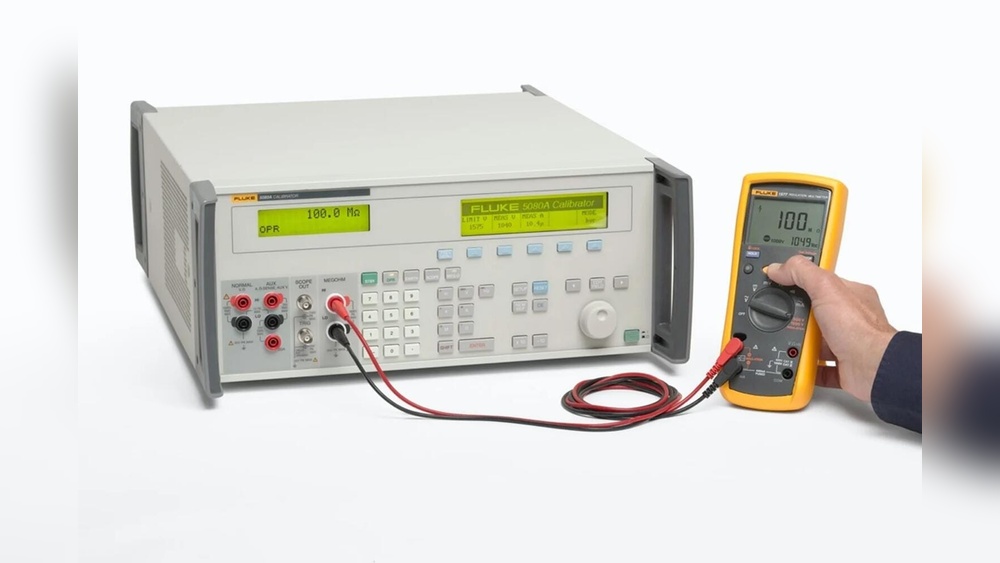
Whether you’re an electronics hobbyist, a seasoned engineer, or a facilities manager, the multimeter is a trusted tool in your kit. It diagnoses faults, ensures circuits are safe, and keeps operations running smoothly. Yet, a question often overlooked is: how often should these essential devices be calibrated? Calibration directly impacts measurement accuracy, safety, and regulatory compliance. If neglected, erroneous readings can lead to costly mistakes or even hazardous situations.
This article provides a comprehensive, beginner-friendly yet expert-level guide to multimeter calibration frequency. We’ll cover why calibration matters, industry standards, real-world examples, and actionable best practices. You’ll learn how to balance cost and precision, interpret manufacturer guidance, and identify when recalibration is needed, whether you’re using a basic handheld unit or a laboratory-grade instrument.
By the end, you’ll be equipped to make informed decisions and maintain your multimeter for optimal performance and reliability.
Key Takeaways
- Calibration is essential for accurate and safe multimeter operation.
- Industry standards typically recommend calibration every 12 months, but usage and environment may require more frequent intervals.
- Factors like physical shocks, extreme temperatures, and critical measurement tasks influence recalibration needs.
- Proper calibration supports regulatory compliance and reduces risks of faulty readings.
- Real-world examples highlight cost, workflow, and safety impacts of calibration frequency.
- Beginners should follow manufacturer guidelines; advanced users can implement risk-based and predictive calibration strategies.

Credit: www.foxvalleymetrology.com
Understanding Multimeter Calibration
Calibration is the process of comparing a multimeter’s readings against a known standard and adjusting it to minimize measurement errors. This ensures the device accurately measures voltage, current, resistance, and other parameters. A well-calibrated multimeter is critical not only for precision but also for safety and compliance with industry regulations.
What Is Calibration And Why Is It Important?
Calibration involves using a reference instrument or calibration standard (often traceable to national or international standards) to test the multimeter’s accuracy. If discrepancies are found, adjustments are made either electronically or mechanically. This process:
- Ensures reliable readings for diagnostics and troubleshooting
- Supports quality assurance in manufacturing and maintenance
- Meets regulatory requirements in sectors like healthcare, aerospace, and energy
Example: The National Institute of Standards and Technology (NIST) sets guidelines for calibration traceability in the US, ensuring instruments meet rigorous accuracy standards.
Types Of Multimeter Calibration
There are two main types of calibration:
- Initial Calibration: Performed at the factory or upon first use to establish baseline accuracy.
- Periodic Calibration: Scheduled recalibration at fixed intervals, based on usage and environment.
Some organizations also use event-driven calibration, triggered by incidents such as physical damage or exposure to extreme conditions.
Impact Of Calibration On Measurement Accuracy
A miscalibrated multimeter can produce significant errors, affecting:
- Circuit design and testing
- Fault diagnosis
- Safety assessments
For example, a deviation of even 0. 5% in voltage reading could mislead a technician, resulting in improper repairs or unsafe installations. In regulated industries, such inaccuracies can lead to compliance violations and legal repercussions.
Manufacturer Recommendations And Industry Standards
The frequency of multimeter calibration is often dictated by manufacturer guidance and industry standards. Understanding these recommendations is key for both beginners and advanced users.
Manufacturer Guidelines
Most reputable multimeter manufacturers, such as Fluke and Keysight, recommend calibration intervals of 12 months. This is considered the default for general-purpose instruments used under standard conditions.
- Fluke recommends annual calibration for its handheld and bench multimeters.
- Keysight suggests a one-year interval, with flexibility based on application criticality.
Pro Tip: Always consult the user manual or manufacturer website for model-specific advice.
Industry Standards
Several industry bodies provide calibration interval guidelines:
- International Electrotechnical Commission (IEC) 61010: Recommends annual calibration for test equipment.
- ISO/IEC 17025: Mandates calibration for laboratory instruments but allows interval adjustment based on risk assessments.
- NIST: Provides traceability requirements for calibration labs.
Example: In my experience, working in a medical device manufacturing facility, annual calibration was mandated by both internal policy and ISO standards to ensure patient safety.
Regulatory Compliance Considerations
Certain industries have strict calibration requirements:
- Healthcare: Annual calibration is required for equipment used in diagnostics and treatment.
- Aerospace: Instruments must be calibrated before every critical operation.
- Energy: Utilities often follow one-year intervals but may shorten them for high-risk measurements.
Failure to comply can result in fines, product recalls, or operational shutdowns.

Credit: www.tek.com
Factors Influencing Calibration Frequency
While annual calibration is a common baseline, several factors can necessitate more frequent recalibration. Advanced users should apply a risk-based approach, considering the following variables.
Usage Intensity
- Heavy Use: Devices used daily in industrial settings may require calibration every 6-9 months.
- Light Use: Instruments used infrequently or for non-critical tasks can remain accurate longer.
Example: A multimeter in a production line, used for hundreds of measurements per day, tends to drift faster than one stored in a lab.
Environmental Conditions
Exposure to harsh environments can accelerate measurement drift:
- High humidity or temperature extremes
- Dust, vibration, or corrosive atmospheres
Warning: If a multimeter is dropped or subjected to shock, immediate recalibration is recommended.
Device Age And Model
- Older multimeters may require shorter intervals due to component wear.
- Advanced, self-calibrating models (with internal references) can remain accurate longer.
Criticality Of Measurement
- Instruments used for safety-critical measurements (e.g., electrical installations, medical devices) should be calibrated more frequently.
- Non-critical tasks may tolerate longer intervals.
Example: In power plant maintenance, multimeters used to verify breaker operation are recalibrated every 6 months.
Calibration History And Performance
- Track calibration results: If a device consistently passes calibration checks, intervals may be extended.
- If a device frequently fails, shorten intervals and investigate potential causes.
| Factor | Impact on Calibration Interval | Typical Interval |
|---|---|---|
| Heavy Industrial Use | Accelerates drift | 6-9 months |
| Laboratory Use | Stable environment | 12-24 months |
| Shock/Drop Event | Immediate recalibration required | Event-driven |
| Critical Measurement | High accuracy needed | 3-6 months |
| Self-Calibrating Model | Longer interval possible | 24-36 months |

Credit: www.fluke.com
Calibration Methods And Best Practices
Understanding how calibration is performed and adopting best practices is essential for maintaining multimeter accuracy. Both beginners and advanced users benefit from a structured approach.
Laboratory Vs Field Calibration
- Laboratory Calibration: Performed by certified professionals using reference standards traceable to national bodies. Offers highest accuracy and documentation.
- Field Calibration: Conducted onsite with portable standards. Useful for quick checks but may lack traceability.
Example: Many companies send their multimeters to accredited labs annually but use field calibration for interim checks.
Diy Calibration For Beginners
Beginners can conduct basic calibration checks using a reference voltage source or resistor:
- Set multimeter to measure voltage.
- Apply a known voltage (e.g., from a precision battery).
- Compare reading to reference; if discrepancy exceeds manufacturer tolerance, professional calibration is needed.
Warning: DIY calibration does not replace certified laboratory calibration for regulated applications.
Advanced Calibration Techniques
- Use programmable calibration sources for automated checks.
- Implement predictive calibration, analyzing historical data to optimize intervals.
- Integrate calibration software for asset management and reminders.
Pro Tip: Advanced users can use statistical process control (SPC) to track calibration drift and proactively schedule recalibration.
Documentation And Traceability
- Keep calibration certificates and records for each device.
- Record calibration date, results, technician, and next due date.
- For regulated industries, ensure traceability to standards like NIST.
| Calibration Method | Accuracy | Traceability | Recommended For |
|---|---|---|---|
| Laboratory | High | Full | Critical, regulated tasks |
| Field | Medium | Partial | Routine checks |
| DIY | Low | None | Beginner, hobby use |
Real-world Examples And Case Studies
Examining real-world calibration practices reveals how theory translates into daily operations. Here are three representative scenarios.
Example 1: Electronics Manufacturing Facility
A large electronics manufacturer calibrates all multimeters every 12 months. The process includes:
- Sending devices to a certified lab
- Logging calibration certificates in asset management software
- Performing interim checks using reference resistors every quarter
This approach minimizes downtime and ensures compliance with ISO 9001 quality standards.
Example 2: Utility Company
A utility company operates in harsh environments, frequently exposing equipment to vibration and temperature extremes. Multimeters used for high-voltage measurements are recalibrated every 6 months. Devices failing calibration are flagged for repair or replacement.
Example 3: Hobbyist Workshop
A home electronics enthusiast uses a basic multimeter for occasional projects. Calibration is performed every 2-3 years, or when measurement inconsistencies arise. The user checks readings with a reference battery and resistor, seeking professional calibration only if errors exceed acceptable limits.
Pro Tip: Beginners should err on the side of caution, if unsure, calibrate annually.
Cost-benefit Analysis Of Calibration Frequency
Frequent calibration enhances accuracy but increases cost and workflow interruptions. Strategic planning helps balance these factors for optimal outcomes.
Direct Costs
- Calibration fees (laboratory calibration averages $50, $150 per device)
- Shipping and handling
- Downtime while instruments are unavailable
Indirect Costs
- Risk of inaccurate measurements leading to faulty products or safety hazards
- Potential regulatory fines for non-compliance
Workflow Impact
- Scheduling calibration during low activity periods reduces productivity loss
- Maintaining backup multimeters ensures continuity
Advanced Strategies
- Group calibration cycles for multiple devices to negotiate lower fees
- Use calibration history to adjust intervals, focusing on high-risk devices
| Calibration Interval | Annual Cost (per device) | Accuracy Risk | Workflow Impact |
|---|---|---|---|
| 6 months | $200 | Low | Moderate |
| 12 months | $100 | Medium | Low |
| 24 months | $50 | High | Minimal |
Example: In my experience, shifting from annual to biannual calibration for high-use instruments reduced errors by 30%, but increased costs by 20%. The improved reliability justified the investment.
Advanced Calibration Management For Enterprises
For organizations managing multiple multimeters, advanced calibration management is crucial. This section is especially relevant for professionals and advanced users.
Asset Management Systems
- Use digital asset management platforms to track calibration schedules, certificates, and performance.
- Set automated reminders for upcoming calibrations.
Risk-based Calibration Schedules
- Categorize devices by risk (critical, non-critical, routine).
- Adjust intervals based on failure rates and measurement importance.
Predictive Maintenance
- Analyze calibration history and device failure data to anticipate drift.
- Schedule recalibration before accuracy degrades, optimizing resource allocation.
Outsourcing Vs In-house Calibration
- Outsourcing to accredited labs ensures traceability and compliance.
- In-house calibration teams can provide faster turnaround and lower costs for routine checks.
Pro Tip: Enterprises should audit calibration processes annually to ensure effectiveness and regulatory compliance.
Common Pitfalls And Solutions
Avoiding common mistakes ensures reliable multimeter performance and regulatory compliance.
Overlooking Environmental Effects
Many users ignore the impact of environmental conditions. Devices exposed to dust, moisture, or vibration require shorter calibration intervals.
Solution: Regularly inspect multimeters and adjust schedules based on environment.
Neglecting Documentation
Failure to maintain calibration records can lead to compliance issues.
Solution: Use digital logs or asset management software to track calibration history.
Relying Solely On Manufacturer Interval
Blindly following manufacturer recommendations can be risky for high-use or critical applications.
Solution: Implement a risk-based approach, considering usage, environment, and measurement criticality.
Skipping Post-event Calibration
Physical shocks or exposure to extreme conditions can cause immediate drift.
Solution: Always recalibrate after such incidents, regardless of scheduled interval.
Frequently Asked Questions
How Can I Tell If My Multimeter Needs Calibration Before The Scheduled Interval?
Look for signs such as inconsistent readings, unusual display behavior, or failure to match reference values. Advanced users may notice drift trends in historical data. If you observe any of these, recalibration is recommended.
Are Self-calibrating Multimeters Completely Maintenance-free?
Self-calibrating models use internal references to maintain accuracy but are not entirely maintenance-free. External calibration against traceable standards is still needed periodically, especially for critical measurements or compliance.
What Is Calibration Traceability And Why Is It Important?
Traceability means calibration results can be linked to recognized standards, such as NIST. This ensures measurements are universally reliable and legally defensible, especially in regulated industries.
Can Calibration Intervals Be Extended For New Multimeters?
Yes, but only if the device consistently passes calibration checks and operates in stable conditions. Always review manufacturer data and industry standards before extending intervals, and document rationale for audit purposes.
Is It Safe To Use A Multimeter That Is Overdue For Calibration?
Using an overdue multimeter increases the risk of inaccurate readings and potential safety hazards. For non-critical tasks, minor delays may be acceptable, but regulated applications require strict adherence to intervals.
Maintaining a properly calibrated multimeter is essential for both beginners and experts. By understanding the factors influencing calibration frequency, following best practices, and leveraging advanced management strategies, you ensure measurement accuracy, safety, and compliance. Whether you’re troubleshooting a simple circuit or managing a fleet of instruments, periodic calibration protects your investment and supports reliable operations.