
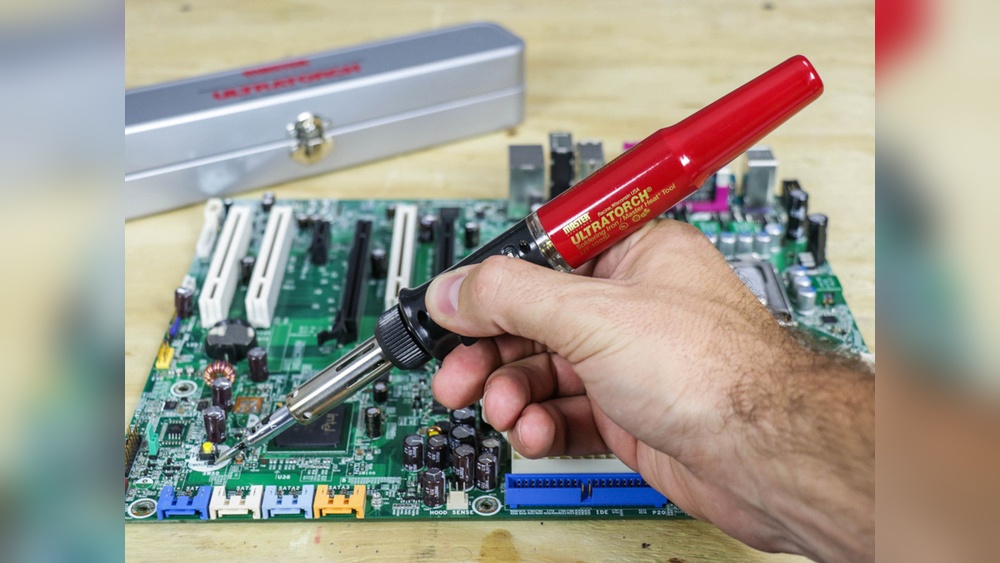
Soldering irons are an essential tool in both professional industries and home workshops. Their versatility stretches far beyond simply joining metal parts; they play a critical role in electronics assembly, jewelry design, plumbing, art, and even automotive repair. For anyone interested in DIY projects or technical crafts, understanding what people use soldering irons for opens up a world of creative and practical possibilities.
From the precise work of assembling circuit boards to the artistic flair of stained glass creation, the soldering iron has cemented its place as a fundamental hand tool. Its ability to create strong, conductive, and sometimes decorative joints makes it indispensable for both intricate and large-scale applications.
This article explores the diverse uses, techniques, and considerations surrounding soldering irons, equipping you with a comprehensive understanding of their practical value.
Key Takeaways
- Soldering irons are used in a wide range of applications, from electronics to plumbing and creative arts.
- Proper technique and safety measures are crucial to achieve durable and reliable solder joints.
- Choosing the right type of soldering iron and accessories depends on the specific project and materials involved.
- Regular maintenance and correct tip selection extend the tool’s lifespan and improve performance.
- Real-world examples showcase the tool’s versatility and importance in modern industry and DIY culture.

Credit: www.campuscomponent.com
The Fundamentals Of Soldering Irons
What Is A Soldering Iron?
A soldering iron is a hand tool that heats up to melt solder, a fusible metal alloy, allowing it to flow into the joint between two workpieces. Once cooled, the solder forms a strong electrical and mechanical connection. Soldering irons typically operate at temperatures between 350°C and 450°C (660°F and 840°F).
Key Components And Variations
There are several common types of soldering irons, each suited for different applications:
- Simple soldering irons: Basic models with a fixed wattage, ideal for beginners and light tasks.
- Temperature-controlled soldering stations: Allow precise heat adjustment, essential for sensitive electronics.
- Cordless soldering irons: Powered by batteries or gas, offering portability for fieldwork.
- Soldering guns: Provide high wattage for heavy-duty jobs, such as automotive or stained glass work.
| Type | Power Source | Temperature Control | Best For |
|---|---|---|---|
| Basic Iron | Electric (corded) | No | Hobby, simple repairs |
| Station | Electric (station) | Yes | Electronics, precision work |
| Cordless | Battery/Gas | Limited | Field repairs |
| Soldering Gun | Electric | No | Heavy-duty, crafts |
Understanding Solder And Flux
Solder is typically made from a combination of tin and lead (or lead-free alloys), while flux is a chemical agent that cleans and prepares metal surfaces for better adhesion. The right combination ensures reliable joints and minimizes oxidation.
How Soldering Differs From Welding And Brazing
While all three join metals, soldering uses lower temperatures and does not melt the base materials, only the filler (solder) melts. Welding fuses base metals together, and brazing uses a higher-melting filler. Soldering is favored for fine, delicate work and electrical conductivity.
Electronics Assembly And Repair
Printed Circuit Board (pcb) Work
The most widespread use of soldering irons is in electronics assembly. Soldering is used to attach components such as resistors, capacitors, and integrated circuits onto PCBs. This process requires precision and care to avoid damaging sensitive electronics.
Example: Smartphone Repair
When a smartphone’s charging port fails, technicians use a temperature-controlled soldering iron to remove the faulty port and solder a new one. The compact size of mobile devices demands steady hands and a fine tip, demonstrating the soldering iron’s essential role in modern device repair.
Wire Splicing And Connector Assembly
Soldering provides durable, conductive connections for wires and connectors. In audio equipment, for example, soldered connections reduce signal loss and interference, improving sound quality. Automotive wiring harnesses also rely on soldering for long-term reliability in harsh conditions.
Surface-mount Technology (smt) And Rework
With the rise of miniaturized electronics, surface-mount components have become standard. Soldering irons with ultra-fine tips, sometimes paired with hot air tools, are used to place or replace these tiny parts. Skilled rework can salvage expensive PCBs by repairing or upgrading individual components.
Diy And Open-source Electronics
The popularity of platforms like Arduino and Raspberry Pi has spurred a wave of DIY electronics. Hobbyists use soldering irons to build custom sensors, robots, and interactive devices, often sharing their projects with global communities.

Credit: www.sciencebuddies.org
Jewelry Making And Artistic Crafts
Metal Joining In Jewelry
Jewelry artisans use soldering irons to join precious metals such as gold, silver, and copper. By selecting the correct solder alloy and precise heating, they can create seamless joints in rings, chains, and pendants without damaging stones or finishes.
Example: Custom Silver Ring
A jeweler crafting a custom silver ring may use a soldering iron to attach decorative filigree. Fine tips and controlled heat prevent overheating, ensuring both structural integrity and aesthetic quality.
Stained Glass And Decorative Arts
Stained glass artists rely on soldering irons to join pieces of glass with copper foil and solder. This technique, known as the Tiffany method, allows for intricate designs and strong, flexible panels used in windows and art pieces.
Sculpture And Small Metalwork
Artists often use soldering irons for small-scale metal sculptures, model making, or attaching findings to larger works. The solder provides both mechanical strength and creative possibilities, enabling mixed-media experimentation.
Costume Design And Repairs
In theater and cosplay, soldering is used to assemble and repair metal costume components, such as armor, crowns, or props, where lightweight but durable joints are required.

Credit: www.reddit.com
Plumbing, Automotive, And Industrial Uses
Copper Pipe Soldering In Plumbing
Soldering copper pipes is a foundational skill in plumbing. The process creates watertight joints in domestic water systems, heating, and even air conditioning lines. Soldering irons and torches are both used, depending on pipe size and location.
Example: Household Plumbing Repair
When fixing a leaking copper pipe joint, a plumber cleans the pipe, applies flux, and uses a torch or high-powered soldering iron to melt solder into the joint, ensuring a reliable, leak-free seal.
Automotive Electrical And Bodywork
Soldering is crucial for automotive wiring, such as repairing harnesses, installing new lighting, or integrating electronics. In some cases, it’s also used to join thin metal panels or patch rust holes, though welding is more common for heavy-duty repairs.
Industrial Electronics And Instrumentation
Factories and laboratories use soldering irons for assembling and repairing industrial control boards, sensors, and specialized equipment. Precision and reliability are paramount, as faults can halt entire operations.
Hvac And Refrigeration Systems
Heating, ventilation, and air conditioning technicians solder copper lines to create sealed refrigerant paths. Proper technique is essential to prevent leaks and ensure system efficiency.
Diy, Home Improvement, And Hobbyist Applications
Home Appliance Repairs
Many household appliances, from toasters to washing machines, contain soldered connections. DIYers often use soldering irons to replace faulty switches, repair circuit boards, or restore battery contacts, extending the life of devices.
Model Building And Rc Hobbies
Scale modelers and remote-control (RC) enthusiasts use soldering irons to assemble electrical systems, connect battery packs, and install lighting or sound modules. Soldering ensures reliability under vibration and movement.
Example: Rc Car Battery Upgrade
An RC hobbyist upgrading to a higher-capacity battery pack will often solder new connectors to handle increased current, enhancing both performance and safety.
Musical Instrument Repairs
Guitarists and audio technicians solder pickups, output jacks, and potentiometers. Professional-quality soldering reduces hum and noise, ensuring the best possible sound.
Creative Hobbies: Pyrography And Crafts
Some soldering irons come with interchangeable tips for pyrography, the art of wood burning. Crafters use these tools to decorate wood, leather, or even create custom stamps.
Choosing The Right Soldering Iron And Accessories
Factors To Consider
Selecting the best soldering iron depends on:
- Project type (electronics, plumbing, jewelry, crafts)
- Required temperature control
- Portability needs
- Budget and frequency of use
Soldering Iron Features Comparison
| Feature | Basic Iron | Soldering Station | Cordless Iron |
|---|---|---|---|
| Heat-up Time | Slow | Fast | Moderate |
| Temperature Control | No | Yes | Limited |
| Tip Variety | Few | Many | Few |
| Portability | Poor | Poor | Excellent |
| Price Range | Low | Medium-High | Medium |
Solder And Flux Selection
- Lead-based solder: Offers easy flow and reliable joints, but is restricted due to health concerns.
- Lead-free solder: Now standard in most electronics, often contains tin, silver, and copper.
- Rosin flux: Preferred for electronics; acid flux is reserved for plumbing.
Essential Accessories
- Soldering stand: Prevents burns and accidental damage.
- Sponge or brass wool: Cleans the tip for better heat transfer.
- Desoldering pump or braid: Removes excess or old solder.
- Magnifying tools: Aid in precise work.
Pro Tip:
For beginners, a soldering station with adjustable temperature and a selection of tips provides the most versatility and safety.
Soldering Techniques And Best Practices
Preparing The Work Area
A clean, well-lit workspace with good ventilation is critical. Always secure small parts with clamps or third hands to prevent movement during soldering.
Heating And Applying Solder
- Heat the joint, not the solder, to ensure proper flow.
- Feed solder into the heated joint, allowing it to wick evenly.
- Remove the iron and let the joint cool undisturbed for a strong bond.
Avoiding Common Mistakes
- Cold joints: Result from insufficient heat, appearing dull or cracked.
- Overheating: Can damage components or lift PCB pads.
- Excess solder: May cause shorts or bridges, especially in fine-pitch work.
Cleaning And Maintaining Tips
Regularly wipe the tip on a damp sponge or brass wool. Replace worn or corroded tips promptly to maintain efficient heat transfer.
Safety Precautions
- Always work in a ventilated area to avoid inhaling fumes.
- Wear safety glasses and avoid loose clothing.
- Unplug the iron when not in use, and store in a stable stand.
Real-world Examples And Case Studies
Example: Repairing A Vintage Radio
A vintage radio enthusiast restores a 1950s tube radio by replacing failed capacitors on the circuit board. Using a temperature-controlled soldering iron, they carefully desolder old components, clean the pads, and solder in modern replacements. The radio regains clear sound and functionality, preserving a piece of history.
Example: Custom Electronic Synthesizer Build
A musician designs and assembles a modular synthesizer, soldering hundreds of tiny components onto custom PCBs. The precise control offered by a quality soldering station ensures reliable performance on stage and in the studio.
Example: Artistic Stained Glass Window
An artist crafts a stained glass window for a local church, using a soldering iron to join intricate pieces of colored glass. The finished panel blends durability with beauty, relying on the strength of the soldered joints to hold up for decades.
Advances In Soldering Iron Technology
Digital And Smart Soldering Stations
Modern soldering stations feature digital temperature controls, memory presets, and even USB connectivity for firmware updates. These innovations provide greater consistency and safety for both professionals and hobbyists.
Lead-free And Eco-friendly Soldering
Global regulations, such as the EU’s RoHS Directive, have spurred the adoption of lead-free solders and more environmentally conscious fluxes. While slightly more challenging to use, they reduce health risks and environmental impact.
Specialized Tips And Accessories
Manufacturers now offer a wide range of interchangeable tips, including conical, chisel, and blade shapes, each tailored for specific tasks like drag soldering, desoldering, or reflow work.
Integration With Automated Systems
In high-volume manufacturing, robotic arms equipped with soldering irons ensure consistent quality and speed, reducing human error and increasing efficiency.
| Feature | Traditional Iron | Digital Station | Robotic System |
|---|---|---|---|
| Temperature Stability | Low | High | Very High |
| Precision | Moderate | High | Extreme |
| Automation | No | No | Yes |
| Cost | Low | Medium | High |
Resource For Further Reading
For a deeper dive into the history and technology of soldering, refer to the Soldering Wikipedia page.
Soldering Iron Maintenance And Troubleshooting
Routine Maintenance
- Clean the tip after every use.
- Use tip tinner/paste when oxidation appears.
- Check for loose connections or frayed cords.
Replacing Worn Parts
Most soldering irons allow for tip replacement and some for heating element swaps. Regular maintenance extends tool life and ensures consistent performance.
Troubleshooting Common Problems
- Iron not heating: Check power supply and element.
- Tip not wetting with solder: Clean or replace tip.
- Uneven heating: Inspect for worn tips or faulty elements.
Storage And Transport
Store the iron in a dry place, preferably in a protective case, especially for portable models. Always allow the tool to cool before packing.
Pro Tip:
Invest in a quality stand with a built-in sponge or brass wool and a tip cleaner to maximize both safety and soldering efficiency.
Environmental And Health Considerations
Lead-free Solder And Regulations
Most commercial electronics now require lead-free solder, which reduces health risks associated with lead exposure. The shift is driven by regulations like RoHS, especially in the European Union.
Managing Fumes And Waste
Flux fumes can be irritating or harmful; always work in a well-ventilated area or use a fume extractor. Properly dispose of solder scraps and avoid pouring cleaning fluids down the drain.
Personal Protective Equipment (ppe)
Wearing safety glasses and, when necessary, gloves, reduces the risk of burns and eye injuries. For frequent users, consider a respirator rated for fumes.
Resource For Safe Practices
For detailed safety guidelines, consult the OSHA Soldering Safety page.
Frequently Asked Questions
What Materials Can Be Joined Using A Soldering Iron?
Soldering irons are most effective on copper, brass, silver, and gold due to their thermal conductivity and compatibility with common solders. While some alloys and plated metals can also be soldered, materials like aluminum and stainless steel generally require specialized equipment or different joining methods.
How Do I Choose The Right Soldering Iron For My Project?
Consider the type of work (electronics, plumbing, crafts), required temperature control, and whether you need portability. For electronics, a temperature-controlled station with interchangeable tips is ideal. For plumbing or heavier jobs, a higher-wattage iron or torch may be necessary.
Can I Use The Same Soldering Iron For Electronics And Jewelry?
While possible, it’s not ideal. Jewelry work often requires higher temperatures and different tip shapes, and contamination from electronics solder (especially with rosin flux or lead) can affect precious metals. If you must use one iron, thoroughly clean the tip or have dedicated tips for each application.
What Are The Signs Of A Poor Solder Joint?
Common signs include a dull or grainy appearance, visible cracks, or joints that move after cooling. These indicate a cold joint, insufficient heating, or contamination. Proper cleaning, heating both parts evenly, and using fresh solder are ways to avoid these issues.
Is Soldering Safe For Beginners?
Yes, with proper safety precautions. Beginners should start with a low-wattage, temperature-controlled iron, work in a ventilated area, and wear safety glasses. Always unplug the iron after use and store it securely. Following step-by-step guides or video tutorials can help develop skill and confidence.
Soldering irons have evolved from simple hand tools into highly specialized, indispensable devices across industries and hobbies. Whether constructing a custom synthesizer, restoring vintage electronics, or creating art, the humble soldering iron remains a gateway to creativity and innovation. In my experience, mastering soldering not only extends the life of valuable items but also empowers users to build and repair with confidence.
For those willing to learn, the possibilities are nearly limitless.