
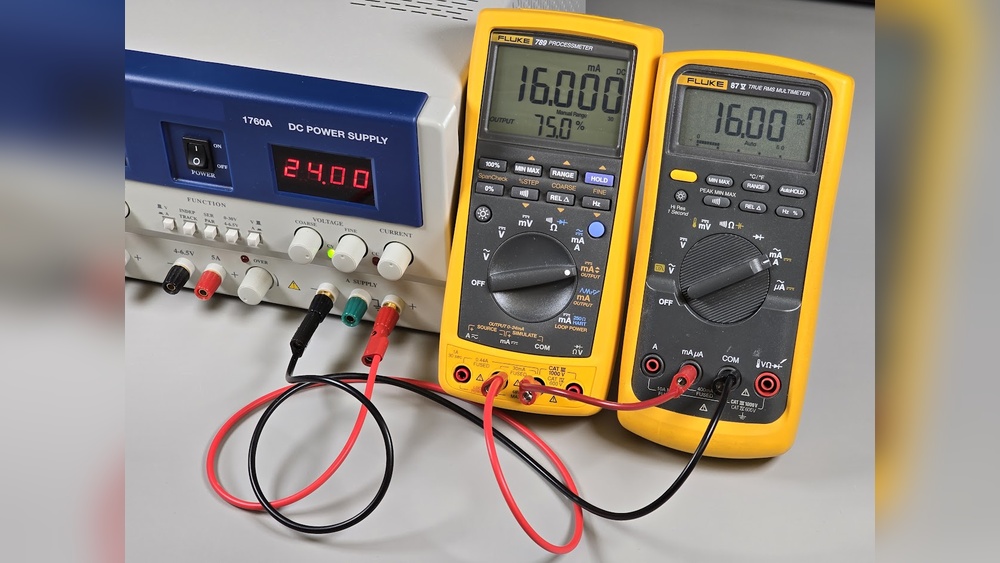
In the world of electrical measurement and diagnostics, the difference between a process meter and a multimeter is often misunderstood, even among experienced technicians. Whether you’re a beginner just starting out with basic electrical troubleshooting or a seasoned engineer managing complex industrial systems, knowing which tool to use can save you time, money, and a lot of frustration. Both instruments are essential for electrical professionals, but each has its unique strengths, applications, and limitations.
Selecting the right device is about more than just convenience, it’s about safety, efficiency, and ensuring the integrity of your measurements. This comprehensive guide breaks down the core distinctions between process meters and multimeters, offers practical guidance for choosing and using each tool, and presents real-world examples to clarify when and why each instrument shines.
By the end, you’ll be able to confidently select and operate the right meter for your specific task, no matter your current level of expertise.
Key Takeaways
- Process meters are specialized for industrial process control and calibration, while multimeters are versatile tools for general electrical measurements.
- Beginners will find multimeters more accessible for everyday troubleshooting, while process meters are indispensable for advanced industrial applications.
- Understanding the unique features, measurement capabilities, and limitations of each tool is critical for both safe and accurate diagnostics.
- Proper selection, maintenance, and calibration of meters ensure consistent and reliable results in both field and laboratory settings.
- Real-world case studies highlight the practical differences in use and demonstrate how each tool adds value in specific scenarios.
Understanding The Basics: What Are Process Meters And Multimeters?
To grasp the differences between these two indispensable tools, it’s important to start with clear definitions and foundational knowledge.
What Is A Multimeter?
A multimeter is an electronic measuring instrument that combines several measurement functions in one unit. The most common measurements include:
- Voltage (AC/DC)
- Current (AC/DC)
- Resistance
Modern digital multimeters (DMMs) can also measure continuity, capacitance, frequency, temperature, and sometimes more. They are the go-to tool for electricians, hobbyists, and even engineers when troubleshooting circuits, testing batteries, or verifying basic electrical properties.
What Is A Process Meter?
A process meter is a more specialized instrument designed for industrial process control applications. It not only measures standard electrical parameters like voltage and current but is also equipped to source and simulate process signals such as:
- Current loops (typically 4-20 mA)
- Voltage signals (e.g., 1-5 V, 0-10 V)
- Temperature sensor signals (RTDs, thermocouples)
- Frequency and pulse signals
Process meters are used for calibrating transmitters, controllers, and other process instruments. They’re essential in industries where precise control and calibration of process variables are required, such as oil & gas, pharmaceuticals, water treatment, and manufacturing.
Core Differences In Purpose
While both devices may share some overlapping features, their primary purposes are distinct:
- Multimeter: General-purpose electrical testing and troubleshooting
- Process Meter: Industrial calibration and simulation of process signals
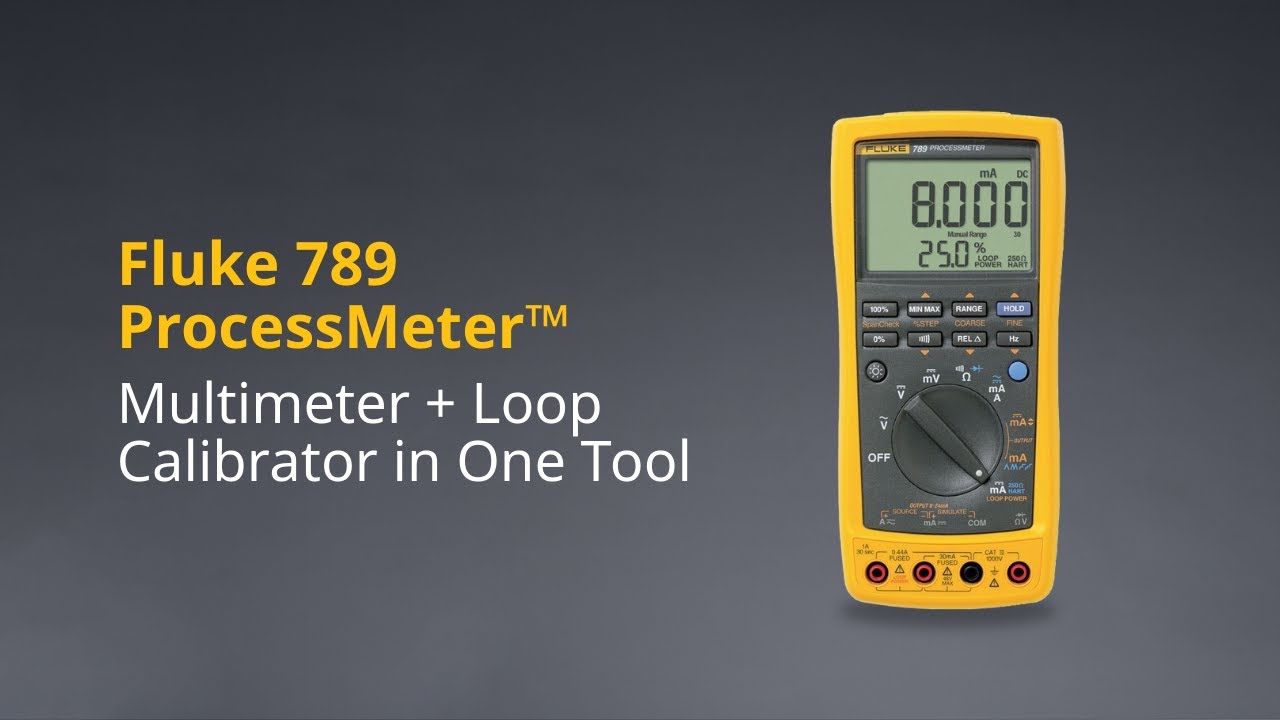
Credit: www.youtube.com
Core Measurement Capabilities: A Detailed Comparison
To help you quickly compare the essential features and applications of process meters and multimeters, here’s a side-by-side data-driven table:
| Feature | Multimeter | Process Meter |
|---|---|---|
| Voltage Measurement | AC/DC, Up to 1000V (typical) | AC/DC, Up to 1000V (typical) |
| Current Measurement | AC/DC, Up to 10A (typical) | High accuracy, 4-20 mA process loops |
| Resistance Measurement | Yes, often up to 40 MΩ | Yes, with higher precision |
| Source/Simulate Signals | No | Yes (mA, V, RTD, TC, frequency) |
| Continuity Testing | Yes | Yes |
| Capacitance/Diode Test | Yes | Rarely |
| Calibration Functions | No | Yes |
| Typical Use Case | General troubleshooting | Industrial process calibration |
| Cost (USD, avg.) | $30, $500 | $500, $3000+ |
Pro Tip: If you only need to measure voltage, resistance, or continuity, a multimeter is sufficient. For tasks like calibrating a 4-20 mA loop transmitter, you’ll need a process meter.

Credit: forum.digikey.com
Key Features And Specifications Explained
Understanding the technical specifications of each tool is critical for both beginners and experts. Here’s a breakdown of the main features, with tips on what to look for and why it matters.
Multimeter Features
- Display: Most modern DMMs feature a backlit LCD, with counts ranging from 2000 to 60,000+ (higher counts = better resolution).
- Auto-ranging: Automatically selects measurement range, making it easier for beginners.
- True RMS measurement: Accurately measures both sinusoidal and non-sinusoidal AC signals, a must for advanced troubleshooting.
- Data hold/min-max recording: Stores readings for later review.
- Safety ratings: Look for CAT II, CAT III, or CAT IV ratings, which indicate the environments where the meter can safely be used.
Process Meter Features
- Signal sourcing/simulation: Ability to generate precise voltage, current, resistance, frequency, and temperature signals.
- Loop power: Many process meters can power a 4-20 mA current loop directly, eliminating the need for an external power supply.
- High accuracy and stability: Precision is critical for calibration; process meters often specify accuracy to 0.01% or better.
- Built-in documentation: Advanced meters can store calibration results and generate automated reports.
- Multiple sensor compatibility: Support for a wide variety of RTDs, thermocouples, and process sensors.
Advanced Suggestions For Selection
- For field technicians: Choose a rugged, portable meter with a strong safety rating.
- For lab calibration: Opt for higher accuracy and advanced documentation features.
- For beginners: Start with a basic auto-ranging DMM and progress to process meters as your skillset expands.

Credit: www.instrumart.com
Practical Applications: When To Use Each Tool
Knowing the theoretical differences is one thing; applying them in real-world scenarios is another. Here, we outline specific use cases and provide actionable guidance for both beginners and advanced users.
Everyday Electrical Troubleshooting
Multimeter in action:
A homeowner wants to check if a wall outlet is live. Using a multimeter, they can safely measure AC voltage, check for continuity, and even test batteries. For these basic diagnostics, a process meter would be unnecessarily complex and expensive.
Industrial Process Calibration
Process meter in action:
A technician at a water treatment plant needs to calibrate a pressure transmitter that sends a 4-20 mA signal to a control system. Only a process meter can source and measure the required current loop, simulate sensor outputs, and document the calibration process for compliance.
Component Testing In Electronics
Multimeter use case:
An electronics hobbyist is building a circuit and needs to check resistor values, test diodes, and verify voltage at different points. A multimeter, with its wide range of measurement functions and compact size, is ideal.
Advanced Process Loop Diagnostics
Process meter use case:
An instrumentation engineer troubleshoots a failing process control loop in a chemical plant. The process meter can inject a simulated 4-20 mA signal into the system, allowing for systematic diagnosis of transmitters, controllers, and actuators.
Real-world Examples And Case Studies
To further clarify the differences between process meters and multimeters, here are three real-world scenarios drawn from field and laboratory settings.
Example 1: Hvac Troubleshooting With A Multimeter
A heating, ventilation, and air conditioning (HVAC) technician receives a call about a malfunctioning rooftop unit. Using a True RMS digital multimeter, the technician checks for voltage at the contactor, continuity in the thermostat wires, and resistance in the compressor windings. The multimeter’s auto-ranging and min-max features quickly pinpoint a faulty capacitor.
Lesson: For rapid, on-the-spot diagnostics of electrical issues, a quality multimeter is the technician’s best friend.
Example 2: Pharmaceutical Plant Calibration
A pharmaceutical plant is required by regulatory bodies to periodically calibrate all critical process sensors. Using a process meter, the calibration technician simulates RTD and thermocouple signals, sources accurate 4-20 mA currents, and documents all results for audit trails. The meter’s high precision ensures compliance with stringent quality standards.
Lesson: Only process meters deliver the accuracy, sourcing, and documentation features needed for high-stakes industrial calibration.
Example 3: Troubleshooting A Control Valve
An instrumentation engineer is called to a food processing facility where a control valve is not responding to control room commands. Using a process meter, the engineer simulates a 4-20 mA signal at the valve actuator, confirming that the actuator responds correctly. The problem is traced to a broken signal wire upstream, something that would have been much harder to diagnose with a standard multimeter.
Lesson: Simulation capabilities make process meters invaluable for isolating faults in complex control loops.
Pros And Cons: Choosing The Right Tool For The Job
Selecting between a process meter and a multimeter isn’t always straightforward. Here’s a summary table to help guide your decision:
| Criteria | Multimeter | Process Meter |
|---|---|---|
| Ease of Use (Beginner) | Very easy; simple interface | Moderate to complex; learning curve |
| Versatility | Excellent for general tasks | Focused on industrial process signals |
| Cost | Affordable for most users | High initial investment |
| Accuracy | Sufficient for most tasks | Exceptional, lab-grade precision |
| Calibration/Simulation | Not available | Comprehensive |
| Portability | Compact, lightweight | Often larger, more robust |
| Maintenance Requirements | Low | Moderate; periodic calibration needed |
Key Takeaway For Beginners
If you’re just starting out, invest in a quality digital multimeter. It will cover 90% of your everyday needs, from checking fuses to diagnosing simple faults in appliances and automobiles.
Advanced Guidance For Industrial Users
If your role involves calibrating transmitters, commissioning control systems, or maintaining process instrumentation, a process meter is indispensable. The ability to both measure and source process signals cannot be overstated in these environments.
Advanced Operation And Best Practices
Whether you’re a beginner or an advanced user, adopting best practices for meter operation ensures safety, accuracy, and instrument longevity.
Safe Handling And Operation
- Always check the meter’s category (CAT) rating before use, especially in high-energy environments (e.g., industrial switchgear).
- Inspect leads and probes for damage before each use to prevent accidental shocks or shorts.
- Never exceed the specified input ratings for voltage or current.
Calibration And Maintenance
- Multimeters: Periodic calibration is recommended (annually for professional use). Clean and store in a dry, dust-free environment.
- Process meters: Require more frequent calibration, especially when used for regulatory compliance. Keep firmware updated and maintain calibration certificates.
Maximizing Measurement Accuracy
- Use shielded leads in noisy environments to reduce electromagnetic interference.
- For low-level signal measurements, select the lowest appropriate range and allow the reading to stabilize.
- In my experience, taking the time to zero your process meter before each session eliminates many sources of error, especially when dealing with milliamp loops.
Advanced Troubleshooting Tips
- When diagnosing intermittent faults, use the min/max record function to capture fluctuating values.
- For process loops, simulate signal values at different points to isolate wiring versus device issues.
- Store and document readings, especially when supporting warranty claims or regulatory compliance.
Buying Guide: How To Select The Right Meter
The right choice depends on your application, budget, and experience level. Here’s a step-by-step guide to making an informed purchase.
1. Define Your Primary Applications
- Home and automotive work: A basic or mid-range digital multimeter will suffice.
- Industrial process control: Invest in a process meter with sourcing and simulation functions.
2. Consider Essential Features
- Safety ratings: CAT III or CAT IV for industrial work.
- True RMS: Essential for accurate AC measurements.
- Data logging: Useful for advanced troubleshooting and regulatory documentation.
3. Compare Brands And Models
Reputable brands include Fluke, Keysight, Yokogawa, and Extech for both multimeters and process meters. Compare warranty, support, and calibration services.
4. Budget Wisely
- Multimeters: Good quality models start at $50, $150.
- Process meters: Expect to pay $800, $2000 for reliable models with advanced features.
5. Review Specifications And Documentation
Check for published accuracy specs, included accessories, and compatibility with industry standards. For detailed technical specifications, the manufacturer’s datasheet is your best resource.
Example: The Fluke 754 Process Calibrator is widely used in industry for its combination of sourcing, measurement, and documentation features. For multimeters, the Fluke 87V is a benchmark for reliability and accuracy.
Common Mistakes To Avoid
Learning from others’ errors can save you time, money, and potential hazards. Here’s what to watch out for:
Using The Wrong Tool
Attempting to calibrate a process instrument with a standard multimeter can lead to inaccurate results and compliance issues. Conversely, using a process meter for simple continuity checks is overkill.
Ignoring Safety Ratings
Not all meters are created equal, using a low-category meter in a high-energy environment can result in instrument damage or personal injury.
Skipping Calibration
Failing to calibrate your meter can lead to systematic errors and, in regulated industries, failed audits.
Overlooking Accessories
The right test leads, adapters, and probes are just as important as the meter itself. Always use manufacturer-approved accessories for your specific model.
Future Trends And Innovations
The field of electrical measurement is evolving rapidly, with exciting advancements that benefit both beginners and experts.
Integration With Smart Devices
Many new meters feature Bluetooth or Wi-Fi connectivity, allowing readings to be logged, shared, and analyzed on smartphones or tablets. This trend is making it easier for teams to collaborate and maintain documentation.
Enhanced Safety Features
Modern meters include non-contact voltage detection, fused inputs, and improved overload protection to further reduce the risk of accidents.
Automation And Data Analytics
Advanced process meters now offer automated calibration routines and integration with asset management software, streamlining regulatory compliance and maintenance scheduling.
Example: According to the Fluke Process Calibrator Guide, automation features can reduce calibration time by up to 50% in some settings.
Environmental Considerations
There’s a growing emphasis on energy efficiency and environmental monitoring, driving demand for meters that can log, analyze, and transmit data for sustainability initiatives.
Frequently Asked Questions
What Is The Main Difference Between A Process Meter And A Multimeter?
The primary difference is that a process meter can both measure and simulate (source) process signals like 4-20 mA current loops, voltage signals, and temperature sensors, functions essential for industrial calibration. A multimeter is mainly for measuring electrical quantities (voltage, current, resistance) and is more suited for general troubleshooting rather than process control.
Can A Multimeter Be Used For Process Calibration?
No, a standard multimeter cannot source or simulate process signals required for calibration. While some high-end multimeters may measure current in process loops, they lack the necessary functions to source or simulate signals, which are critical for proper process instrument calibration.
Are Process Meters Suitable For Beginners?
Process meters have a steeper learning curve due to their advanced features and complex interfaces. Beginners are better off starting with a digital multimeter to build foundational skills before moving to process meters as their needs and responsibilities grow.
How Often Should Meters Be Calibrated?
Both multimeters and process meters should be calibrated regularly to ensure accuracy. For general use, an annual calibration is recommended. For regulated or critical environments, more frequent calibration may be required, always refer to your organization’s policy and the manufacturer’s recommendations.
Do Process Meters Replace The Need For A Multimeter?
No, process meters and multimeters serve complementary roles. While some process meters can perform basic multimeter functions, they are often bulkier and more expensive. Most professionals carry both tools: a multimeter for general tasks and a process meter for specialized calibration work.
References And Further Reading
- Wikipedia: Multimeter
- Fluke Process Calibrator Guide
Selecting the right measuring tool is not just about technical specifications, it’s about understanding your unique application, skill level, and long-term needs. For those starting out, a good multimeter offers a safe, accessible entry point into electrical diagnostics. For advanced technicians and engineers, a process meter is a powerful ally in the demanding world of industrial calibration.
By mastering both, you’ll be equipped to handle everything from household troubleshooting to sophisticated process control with confidence and precision.