
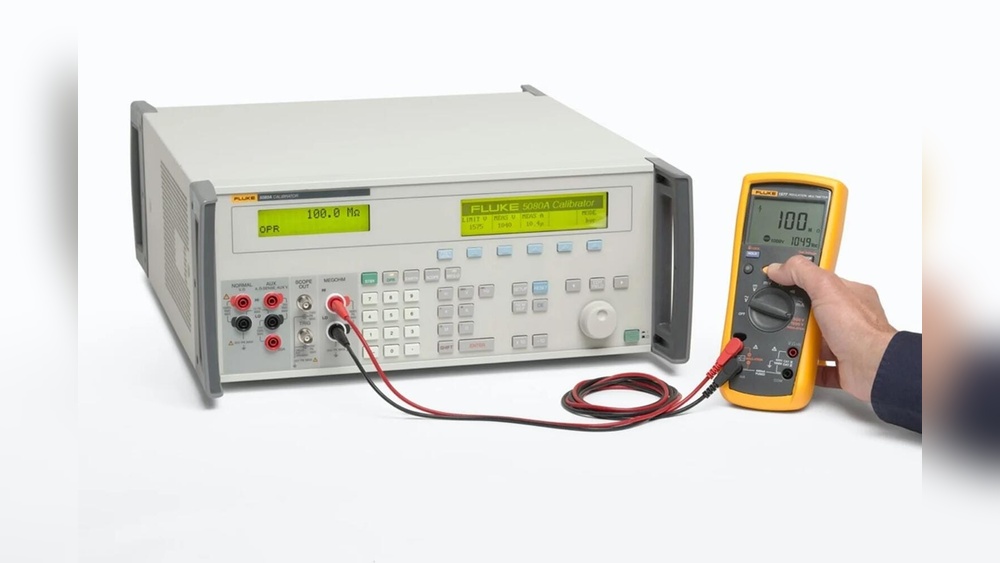
Calibrating a Fluke multimeter is a fundamental practice for anyone who relies on accurate electrical measurements, whether you’re a beginner learning the ropes or an advanced technician maintaining critical systems. Multimeters are essential tools in electrical diagnostics, troubleshooting, and maintenance, and their reliability directly impacts safety and performance. As industries become increasingly regulated and precision-driven, the question of how often to calibrate a Fluke multimeter carries weight, not just for compliance, but for ensuring trustworthy results every time you use your device.
Whether you’re a hobbyist testing batteries or a professional working in a laboratory, knowing the right calibration schedule can save you from unexpected errors, costly downtime, and even hazardous situations. This article offers a comprehensive, step-by-step guide addressing both basic and advanced aspects of calibration, supported by real-world examples, data-driven comparisons, and actionable recommendations.
From understanding what calibration really means, to interpreting manufacturer guidelines, and adapting schedules for various industries, you’ll find a clear path to maintaining your multimeter’s accuracy and reliability.
Key Takeaways
- Calibration frequency depends on usage, environment, and compliance needs.
- Fluke recommends annual calibration for most models, but high-precision applications may require more frequent checks.
- Proper calibration ensures measurement accuracy, safety, and regulatory compliance.
- Both beginners and advanced users benefit from understanding calibration procedures and record-keeping.
- Environmental factors, heavy usage, and mission-critical tasks may necessitate shorter calibration intervals.
- Real-world examples illustrate how calibration schedules impact reliability and safety.

Credit: www.fluke.com
Understanding Multimeter Calibration
Calibration is the process of verifying and adjusting the accuracy of a measurement instrument by comparing it to a recognized standard. For a Fluke multimeter, calibration ensures that voltage, current, resistance, and other readings are precise, matching the manufacturer’s specifications and international standards.
What Is Calibration?
When you calibrate a multimeter, you’re aligning its measurements with a known reference standard. This involves:
- Comparing readings from the multimeter to those from a calibration instrument.
- Adjusting the multimeter as needed so its measurements match the standard within an acceptable margin of error.
Proper calibration is essential because even small inaccuracies can lead to incorrect diagnoses, missed faults, or safety hazards. Over time, drift, caused by component aging, environmental stress, or mechanical wear, can cause a multimeter’s readings to stray from true values.
Why Is Calibration Important?
Calibration is not just about accuracy; it’s about trustworthiness. If your Fluke multimeter is out of calibration:
- Electrical measurements become unreliable.
- Safety risks increase, especially when working with high voltages or sensitive equipment.
- Compliance with industry standards, such as ISO 9001 or IEC 61010, may be compromised.
For beginners, calibration is a safeguard against learning with incorrect data. For advanced users, it’s a pillar of quality assurance.
Common Calibration Procedures
Most Fluke multimeter calibration routines involve:
- Connecting the multimeter to a calibrated reference device.
- Testing multiple measurement modes (voltage, current, resistance).
- Adjusting internal settings or software to correct deviations.
- Documenting the calibration date and results.
Professional calibration is often performed in accredited laboratories, but advanced users may utilize in-house equipment for routine checks.

Credit: www.fluke.com
Manufacturer Recommendations: Fluke’s Official Guidelines
Fluke Corporation, a leader in electrical measurement tools, provides explicit guidance on calibration intervals for its multimeters. Understanding these recommendations is key to setting a baseline schedule.
Fluke’s Standard Calibration Interval
Fluke typically recommends annual calibration for most of its digital multimeters. According to Fluke, this interval balances reliability and practicality for general use. Annual calibration is suitable for:
- Light-to-moderate usage
- Stable environments
- Non-critical measurement applications
For example, the Fluke 87V multimeter manual states: “We recommend calibration and performance verification every year to ensure continued accuracy.” (Fluke Manuals)
Factory Vs. Accredited Calibration
Fluke offers both factory calibration and certified third-party calibration. Factory calibration is performed by Fluke technicians using proprietary standards, while accredited labs follow ISO/IEC 17025 protocols. Both methods ensure your multimeter meets manufacturer and industry benchmarks.
- Factory calibration: Maintains warranty, uses Fluke’s own standards
- Accredited calibration: Meets international compliance, suitable for regulated industries
Warranty And Maintenance Implications
Skipping calibration can void warranties or limit support eligibility. Fluke’s warranty terms often require that maintenance, including calibration, be performed according to recommended schedules.
Warning: Neglecting calibration may lead to warranty disputes or service denials, especially for critical faults.
Beginner-friendly Advice
If you’re new to multimeters, start with annual calibration as your default. This ensures your device remains accurate, especially as you learn to interpret readings and troubleshoot circuits.
Factors Influencing Calibration Frequency
While Fluke’s default recommendation is annual calibration, actual frequency should be tailored to your specific needs, environment, and usage patterns. Several key factors can impact how often you should calibrate your multimeter.
Usage Intensity
The more frequently you use your multimeter, the faster its components can drift out of alignment. Heavy daily use, especially in industrial environments, may warrant calibration every 6 months or sooner.
Pro Tip: Track your usage. If you notice readings becoming inconsistent, schedule calibration regardless of the calendar.
Environmental Conditions
Extreme environments can accelerate wear and drift:
- High humidity can cause corrosion
- Temperature fluctuations impact electronic stability
- Dust or contaminants may affect internal circuitry
If you work in such conditions, increase calibration frequency to every 3, 6 months.
Critical Applications
Mission-critical tasks, such as medical device testing, aerospace maintenance, or laboratory research, demand the highest accuracy. Regulatory standards often require calibration every 3, 6 months, or before each major project.
For example, laboratories certified under ISO/IEC 17025 must adhere to strict calibration schedules, sometimes as often as quarterly.
Compliance And Certification Needs
Industries governed by strict standards (e. g. , healthcare, automotive, manufacturing) may mandate shorter calibration intervals. Always consult your organization’s compliance manual and reference standards.
Example: In a pharmaceutical manufacturing plant, calibration logs are audited regularly. Failure to calibrate can result in regulatory penalties or product recalls.
Storage And Handling
Even when not in use, improper storage can impact calibration:
- Exposure to moisture, heat, or vibration can cause drift.
- Multimeters stored for long periods should be calibrated before use.
Pro Tip: Always store your Fluke multimeter in a protective case and a climate-controlled environment.

Credit: www.foxvalleymetrology.com
Calibration Schedules By User Type And Industry
Calibration frequency varies by user profile and industry. Below is a data-driven comparison table summarizing recommended intervals for common scenarios:
| User Type / Industry | Recommended Calibration Interval | Rationale |
|---|---|---|
| Beginner / Hobbyist | Annually | Light usage; standard accuracy sufficient |
| Electricians | Every 6, 12 months | Moderate to heavy use; safety critical |
| Laboratory Technicians | Every 3, 6 months | High precision required; compliance standards |
| Industrial Maintenance | Every 6 months | Harsh environments; frequent use |
| Medical Devices | Quarterly | Regulatory mandates; patient safety |
| Stored Equipment | Before each use | Potential drift during storage |
Beginner Calibration Schedules
If you use your multimeter infrequently, for home repairs, automotive troubleshooting, or school projects, annual calibration is typically sufficient.
- Schedule calibration every 12 months.
- Use manufacturer-certified service centers.
- Keep a log of calibration dates.
Advanced And Industry Calibration Schedules
For professionals, especially those in regulated industries, follow industry-specific protocols:
- Review your organization’s compliance guidelines.
- Schedule calibration more frequently if readings are mission-critical.
- Consider third-party accredited labs for traceability.
Example: Laboratory Technician
A laboratory technician working under ISO/IEC 17025 must calibrate every 3, 6 months. Failure to comply can result in loss of certification and legal penalties.
Example: Industrial Maintenance
In my experience, industrial maintenance teams often calibrate every 6 months. This schedule strikes a balance between reliability and cost, especially when multimeters are exposed to vibration and dust.
Step-by-step Guide To Calibrating Your Fluke Multimeter
Whether you’re a beginner or advanced user, understanding the calibration process is essential. Here’s a beginner-friendly yet comprehensive guide.
Preparing For Calibration
- Gather necessary equipment:
- Fluke multimeter
- Calibration reference standard (such as a Fluke calibrator)
- Connection cables and adapters
- Ensure the multimeter is clean and undamaged.
- Review the calibration manual for your specific model.
Basic Calibration Procedure
- Connect the multimeter to the calibration reference.
- Select the measurement mode (voltage, current, resistance).
- Compare readings to the reference value.
- Record any deviations.
- If deviation exceeds tolerance, adjust settings (follow manual or seek professional service).
Warning: Only perform adjustments if you’re comfortable with electronics. Incorrect calibration can worsen accuracy.
Advanced Calibration Tips
- Use a precision calibrator with traceable standards.
- Document every step, including environmental conditions and reference values.
- For software-enabled multimeters, update firmware before calibration.
Record-keeping And Certificates
Maintain detailed calibration records, including:
- Calibration date
- Reference device serial number
- Technician’s name
- Results and adjustments
Certificates from accredited labs provide legal and compliance proof.
Example: Electrician’s Routine
An electrician uses a Fluke 117 multimeter daily. He schedules calibration every 6 months and keeps a logbook. This helps him quickly detect drift and ensures compliance during safety audits.
Common Signs Your Multimeter Needs Calibration
Even with a set schedule, unexpected factors can cause your multimeter to drift. Recognizing these signs is crucial for both beginners and experts.
Unusual Readings
If readings fluctuate or are inconsistent with known values, suspect calibration issues.
Example: Measuring a fresh AA battery should yield about 1.5V. If your multimeter consistently reports 1.2V, calibration is likely needed.
Failed Self-test
Many Fluke multimeters perform self-tests at startup. If your device fails, schedule calibration immediately.
Physical Damage
Drops, impacts, or exposure to liquids can affect internal circuitry. Calibrate before further use.
Long-term Storage
If your multimeter has been stored for months, check calibration before using it on critical tasks.
Regulatory Changes
If your industry updates compliance standards, recalibrate to meet new requirements.
Calibration Methods: Diy Vs. Professional Services
Choosing between in-house calibration and professional services depends on your needs, expertise, and compliance requirements.
Diy Calibration
- Suitable for basic checks and hobbyists.
- Requires a reliable reference standard.
- May not meet compliance needs for regulated industries.
Pro Tip: If you’re a beginner, stick to manufacturer-certified service centers for critical calibration.
Professional Calibration Services
- Accredited labs provide traceable calibration certificates.
- Necessary for ISO, IEC, and other regulatory standards.
- Often required for warranty maintenance and legal compliance.
Cost Comparison Table
| Calibration Method | Approximate Cost | Benefits | Drawbacks |
|---|---|---|---|
| DIY Calibration | $0, $100 (equipment cost) | Low cost, quick turnaround | Limited accuracy, no certificate |
| Factory Calibration | $50, $200 per device | Certified accuracy, warranty support | Shipping required, possible downtime |
| Third-Party Accredited Lab | $100, $300 per device | Traceable certificates, compliance | Higher cost, scheduling delays |
Example: Medical Equipment Calibration
Medical device manufacturers often use accredited labs for quarterly calibration. This ensures traceability and regulatory approval, as required by the FDA.
Advanced Calibration Strategies For Professionals
For advanced users and organizations, optimizing calibration processes can improve efficiency and compliance.
Implementing Calibration Management Systems
Large organizations use calibration management software to:
- Track device histories and schedules
- Automate reminders for upcoming calibration
- Store certificates and logs
These systems reduce human error and streamline audits.
Statistical Quality Control
Some industries use statistical analysis to predict calibration needs. By monitoring measurement drift over time, they adjust intervals dynamically.
- Analyze calibration logs for trends
- Set shorter intervals if drift accelerates
- Extend intervals if devices show stability
Internal Calibration Labs
Big organizations may set up internal calibration labs, staffed by trained technicians. This allows for rapid calibration and custom protocols.
Pro Tip: Invest in high-quality reference standards and regular technician training.
Example: Aerospace Maintenance
Aerospace companies often maintain internal labs, calibrating multimeters monthly. This minimizes downtime and ensures compliance with FAA regulations.
Calibration Audits
Regular calibration audits help ensure compliance and reveal process gaps. Auditors review logs, certificates, and device histories.
- Schedule internal audits annually
- Prepare for external audits by maintaining complete records
Real-world Case Studies: Impact Of Calibration Schedules
Calibration schedules are not just theoretical, they impact real-world outcomes. Below are three brief case studies illustrating their importance.
Case Study 1: Automotive Technician
An automotive technician used a Fluke multimeter for diagnostics. Skipping annual calibration led to misdiagnosed battery faults, resulting in unnecessary replacements. After resuming regular calibration, accuracy improved, reducing costs and customer complaints.
Case Study 2: Laboratory Compliance
A research lab failed an ISO/IEC 17025 audit due to missing calibration certificates. The lab recalibrated all multimeters, updated logs, and achieved compliance, enabling grant funding and publication in peer-reviewed journals.
Case Study 3: Industrial Plant Safety
An industrial maintenance crew calibrated their Fluke multimeters every 6 months. When an unexpected voltage drop was detected, timely calibration confirmed the measurement, preventing equipment damage and ensuring worker safety.
Frequently Asked Questions
How Can I Tell If My Fluke Multimeter Is Out Of Calibration?
If your multimeter consistently shows readings that differ from known standards, fails self-tests, or behaves unpredictably, it’s likely out of calibration. Physical damage or exposure to harsh environments can also cause drift. For critical applications, compare your readings to a calibrated reference device.
What Happens If I Don’t Calibrate My Multimeter Regularly?
Failing to calibrate risks inaccurate measurements, leading to misdiagnosis, safety hazards, and regulatory non-compliance. For professionals, it may void warranties or lead to audit failures. For hobbyists, it simply means you can’t trust your readings.
Can I Calibrate A Fluke Multimeter Myself, Or Do I Need A Professional?
Basic calibration checks can be done in-house if you have a reliable reference standard and follow the user manual. However, for compliance, warranty, or high-precision needs, professional calibration by accredited labs or the manufacturer is recommended.
Is Calibration Affected By Firmware Updates?
Yes, firmware updates may change measurement algorithms or add features. Always check for firmware updates before calibration, and re-calibrate if significant changes have been made. This ensures your multimeter’s software and hardware are both aligned.
How Should I Store Calibration Records And Certificates?
Store calibration records both digitally and physically. Use dedicated software or spreadsheets to log dates, results, and certificates. For professionals, retain certificates from accredited labs for at least the duration required by industry regulations (often 3, 5 years).
Regular calibration is the foundation of reliable electrical measurement, whether you’re just starting out or managing complex operations. By following manufacturer guidelines and adapting schedules to your needs, you can ensure your Fluke multimeter remains trustworthy, accurate, and compliant. Remember, calibration is not a one-time task, it’s an ongoing commitment to safety, quality, and performance.