
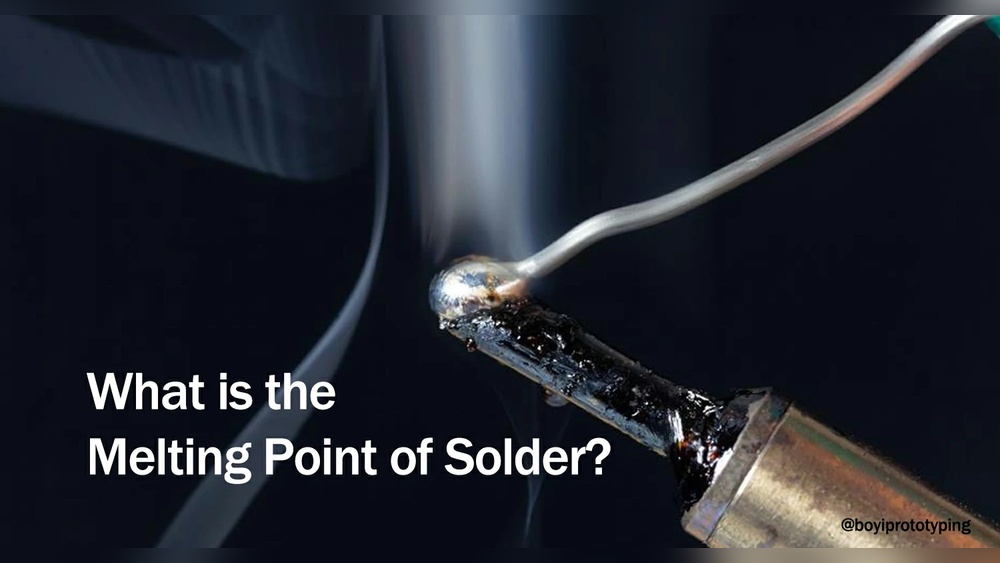
Soldering is at the heart of countless electronic, electrical, and metalworking projects, yet the choice of solder wire can make or break the success of a job. Whether you’re assembling a high-precision circuit board or repairing household appliances, the right solder wire ensures strong electrical connections, reduces the risk of component damage, and can even affect the longevity of your work.
But with dozens of types, diameters, alloys, and flux cores on the market, making an informed choice is more complex than it first appears.
Many beginners and even seasoned professionals select solder wire based on habit or convenience, often overlooking critical factors such as melting point, core composition, and application-specific requirements. In my experience, understanding these nuances not only leads to better results but can also save time, money, and frustration in the long run.
This comprehensive guide will demystify the process, offering actionable advice backed by data, real-world examples, and expert recommendations, so you can confidently choose the right solder wire for your next project.
Key Takeaways
- Solder wire selection directly impacts joint strength, reliability, and ease of soldering.
- Core type, alloy composition, and wire diameter are the primary factors to consider for each application.
- Lead-free solder wires are increasingly preferred for health and regulatory reasons, but traditional leaded options still offer advantages in certain contexts.
- Matching the solder wire to your project’s needs, from electronics assembly to plumbing, ensures optimal results.
- Quality brands and adherence to standards can prevent defects and ensure consistency in soldering.
- Real-world examples and comparison tables in this guide provide practical insights for both beginners and professionals.

Credit: jlcpcb.com
Understanding The Basics Of Solder Wire
Choosing the right solder wire starts with a clear understanding of its fundamental components and their roles in the soldering process. This foundation allows you to make informed decisions tailored to your specific application.
What Is Solder Wire?
Solder wire is a fusible metal alloy used to join metallic surfaces by melting and flowing into the joint. Upon cooling, it forms a strong, conductive bond between components. Most solder wires are available as thin, flexible wires wound on spools for easy handling.
Key Components Of Solder Wire
Solder wire typically consists of:
- Metal Alloy: The primary material, often a mix of tin (Sn), lead (Pb), silver (Ag), or copper (Cu).
- Flux Core: A chemical agent embedded in the wire (in cored solder) that cleans the metals during soldering to improve wetting and adhesion.
How Solder Wire Works
When heated by a soldering iron, the solder wire melts and flows into the microscopic gaps between metal parts. The flux core activates at a lower temperature, removing oxides and contaminants, allowing the molten metal to create a seamless bond as it cools.
Common Applications
- Electronics Assembly: Circuit boards, connectors, and micro-components.
- Electrical Repairs: Wires, terminals, and switches.
- Plumbing and Metalwork: Copper pipes, sheet metal, and jewelry.
Understanding these basics is crucial before exploring the variables that affect solder wire choice.
Types Of Solder Wire: Alloys And Compositions
The alloy composition of solder wire dictates its melting point, strength, and suitability for different applications. Here’s an in-depth look at the most common options.
Leaded Vs. Lead-free Solder
Leaded Solder (sn-pb)
Leaded solder typically contains 60% tin and 40% lead (Sn60Pb40), prized for its low melting point (around 183°C/361°F) and smooth flow characteristics. It has been the industry standard for decades, especially in electronics.
Advantages:
- Lower melting point for less thermal stress
- Easier to work with for beginners
- Reliable joint formation
Drawbacks:
- Lead is toxic; inhalation or ingestion poses health risks
- Banned in many consumer electronics by RoHS (Restriction of Hazardous Substances) directives
Lead-free Solder
Lead-free solder often combines tin with small amounts of silver (Ag) and copper (Cu), such as Sn99.3Cu0.7 or Sn96.5Ag3.0Cu0.5 (SAC305).
Advantages:
- Safer for health and the environment
- Required for commercial electronics in many regions
Drawbacks:
- Higher melting point (217°C, 227°C/423°F, 441°F)
- May be more difficult to use for fine-pitch components
Comparison Table: Leaded Vs. Lead-free Solder Wires
| Property | Leaded Solder (Sn-Pb) | Lead-Free Solder (SAC305, Sn-Cu) |
|---|---|---|
| Melting Point | 183°C (361°F) | 217, 227°C (423, 441°F) |
| Workability | Easy, forgiving | Requires higher temperatures, less forgiving |
| Health/Environment | Toxic, regulated/banned | Safer, RoHS-compliant |
| Electrical Conductivity | Excellent | Very Good |
| Cost | Lower | Higher |
Silver-bearing And Specialty Solders
- Silver-bearing solder (e.g., Sn62Pb36Ag2) offers improved mechanical strength and wettability, making it ideal for high-reliability applications.
- Copper-containing solders are common in plumbing and high-temperature environments.
- Specialty solders (e.g., bismuth-based, indium-based) cater to niche applications like cryogenics or ultra-low melting points.
Pro Tip:
If you’re repairing vintage electronics, leaded solder is often preferable for compatibility, but always use proper ventilation and personal protective equipment due to lead hazards.

Credit: www.youtube.com
Flux Core Types And Their Importance
The flux core inside solder wire is critical for joint quality, as it removes oxidation and improves metal wetting during soldering. Selecting the right flux type can make soldering smoother and reduce the risk of corrosion or joint failure.
Rosin-core Flux
Rosin-core flux is derived from pine sap and is the most common flux used in electronics. It is non-corrosive and electrically insulating when dry, making it ideal for circuit boards.
Benefits:
- Safe for sensitive electronics
- Leaves minimal residue (can be left uncleaned in non-critical applications)
Drawbacks:
- Residue can attract dust and moisture over time
Water-soluble Flux
Water-soluble flux is more active than rosin, cleaning metals more aggressively but requiring thorough cleaning after soldering.
Benefits:
- Ensures strong, clean joints
- Essential for high-reliability or high-speed manufacturing
Drawbacks:
- Must be washed off to prevent corrosion
- Not ideal for field repairs
No-clean Flux
No-clean flux is designed to leave negligible, non-conductive residue that does not require post-solder cleaning.
Benefits:
- Saves time by eliminating cleaning step
- Suitable for most modern electronics
Drawbacks:
- Less active; may struggle with heavily oxidized surfaces
Acid-core Flux
Acid-core flux is highly corrosive and used primarily for plumbing and metalwork, never for electronics.
Warning: Never use acid-core solder wire on electronic components, as it can destroy sensitive circuits and leave conductive residues.
Comparison Table: Common Flux Cores
| Flux Type | Best For | Cleaning Needed? | Corrosiveness |
|---|---|---|---|
| Rosin-Core | Electronics | Optional | Low |
| Water-Soluble | High-reliability electronics | Yes | Medium |
| No-Clean | General electronics | No | Very Low |
| Acid-Core | Plumbing, metalwork | Yes | High |
Pro Tip:
For most DIY electronics projects, a no-clean or rosin-core flux is the safest and most convenient choice.

Credit: www.youtube.com
Solder Wire Diameter And Its Role
The diameter of solder wire affects both the precision of your work and the speed of soldering. Choosing the right diameter is essential for different project scales and skill levels.
Common Solder Wire Diameters
Solder wire is typically available in sizes ranging from 0.2 mm (0.008 in) to 2.0 mm (0.08 in) and beyond. The most popular sizes for electronics are:
- 0.5 mm (0.02 in)
- 0.7 mm (0.028 in)
- 1.0 mm (0.04 in)
- 1.2 mm (0.047 in)
Choosing The Right Diameter
- Fine work (SMD, microelectronics): 0.2, 0.5 mm
- General electronics (through-hole, wires): 0.6, 0.8 mm
- Heavy-duty (large joints, metalwork): 1.0, 2.0 mm
Choosing too thick a wire can flood small joints with solder, causing shorts. Too thin a wire may require repeated feeding, making large jobs inefficient.
Example:
When I tested soldering 0402-size SMD resistors, 0. 5 mm solder wire allowed precise control, while 1. 2 mm wire overwhelmed the tiny pads, causing bridging and rework.
Practical Table: Solder Wire Diameter Recommendations
| Application | Recommended Diameter | Notes |
|---|---|---|
| SMD Components | 0.2, 0.5 mm | Maximum precision required |
| General Electronics | 0.6, 0.8 mm | Standard for most through-hole work |
| Heavy Gauge Wires/Metalwork | 1.0, 2.0 mm | For large joints and high-current connections |
Pro Tip:
If you’re unsure, start with 0. 7 mm wire; it’s versatile for most electronics projects.
Application-specific Solder Wire Selection
Not all solder wires are created equal for every task. Matching the wire to your specific use case is critical for performance and reliability.
Solder Wire For Electronics Assembly
- Recommended Alloy: Lead-free (SAC305) or Sn60Pb40 for hobbyists (if allowed)
- Flux Core: No-clean or rosin-core
- Diameter: 0.5, 0.8 mm
Example: A hobbyist assembling an Arduino-based project should select 0.7 mm, no-clean, lead-free solder for best results and regulatory compliance.
Solder Wire For Electrical Repairs
- Recommended Alloy: Sn60Pb40 (if leaded solder is permissible) or Sn99.3Cu0.7
- Flux Core: Rosin-core for general wire-to-wire connections
- Diameter: 0.8, 1.2 mm for larger wires
Example: Repairing a car’s wiring harness is best done with 1.0 mm, rosin-core, lead-free solder for strong, vibration-resistant joints.
Solder Wire For Plumbing And Metalwork
- Recommended Alloy: Tin-copper or tin-antimony (lead-free)
- Flux Core: Acid-core (never for electronics)
- Diameter: 1.2, 2.0 mm
Example: For joining copper pipes, use 1.5 mm, acid-core, tin-copper solder, which provides corrosion resistance and strong mechanical bonds.
Solder Wire For Jewelry And Craft
- Recommended Alloy: Silver-bearing solder for color match and strength
- Flux Core: None (flux applied separately)
- Diameter: 0.8, 1.2 mm
Example: Creating a silver ring requires 1.0 mm, silver-bearing solder without flux core, as jewelers apply flux with a brush for precise control.
Pro Tip:
Always verify that your chosen solder wire meets regulatory standards for your application, especially in commercial or public-facing products.
Key Factors To Consider When Choosing Solder Wire
Beyond alloy and flux, several additional factors can influence your soldering experience and final results.
Melting Point
A lower melting point reduces thermal stress on sensitive components. Leaded solder is ideal for this, but lead-free options like SAC305 provide a good compromise.
Electrical Conductivity
Solder with higher tin content generally offers better electrical conductivity. For high-frequency or low-resistance applications, prioritize tin-rich alloys.
Mechanical Strength
For joints subjected to vibration or stress, silver-bearing and copper-bearing solders provide improved strength and fatigue resistance.
Regulatory Compliance
Ensure your solder wire meets relevant standards such as RoHS, REACH, or UL listings. This is especially important for products sold in the EU or US.
Storage And Shelf Life
Flux-cored solder can degrade over time. Store solder wire in a cool, dry place, and check the manufacturer’s shelf life recommendations.
Brand Reputation And Certification
Choose reputable brands with ISO certification or compliance documentation. Quality control is essential to prevent impurities that could weaken solder joints.
Price And Availability
While budget options are available, extremely cheap solder wire may contain impurities or inconsistent flux cores, leading to poor results.
Pro Tip:
Check for the manufacturer’s datasheet online for detailed properties, including melting range, recommended temperatures, and compatibility notes.
Real-world Examples And Case Studies
Concrete examples highlight how the right solder wire choice impacts project outcomes.
Example 1: Pcb Assembly For Iot Devices
An electronics startup was assembling compact IoT sensor modules with a mix of SMD and through-hole components. By switching from 1. 0 mm, leaded solder to 0. 5 mm, lead-free SAC305 with no-clean flux, they reduced solder bridging by 30% and met RoHS requirements for European markets.
Example 2: Automotive Wiring Repair
A professional auto technician needed to repair corroded wires in a vehicle harness. Using 1. 2 mm, rosin-core, Sn60Pb40 solder, the technician achieved robust joints that withstood temperature cycling and vibration, preventing repeat failures.
Example 3: Jewelry Soldering
A jeweler crafting silver earrings selected 1. 0 mm, silver-bearing solder without a flux core, applying liquid flux manually. This approach ensured clean, invisible joints that matched the color of the base metal, resulting in a professional finish.
Example 4: Diy Home Appliance Repair
A hobbyist repairing a toaster’s heating element initially used 0. 7 mm, no-clean, lead-free solder, but the joint failed due to repeated heating cycles. Switching to a high-temperature, tin-antimony alloy improved durability, extending the appliance’s life.
Solder Wire Brands And Sourcing Tips
Choosing a reliable brand ensures consistency, purity, and adherence to safety standards.
Leading Solder Wire Brands
- Kester: Renowned for consistent quality and a broad range of flux and alloy options.
- Alpha: Offers industry-standard lead-free and leaded solders.
- MG Chemicals: Widely available and suitable for hobbyists and professionals.
- Multicore (Loctite): Known for high-purity alloys and advanced flux cores.
How To Identify Genuine Solder Wire
- Check for manufacturer certification (ISO, RoHS, REACH)
- Inspect packaging for batch numbers and production dates
- Buy from authorized distributors or reputable retailers
Sourcing Online Vs. Local Stores
- Online sources provide a wider selection and competitive pricing
- Local stores offer immediate availability and in-person advice
For more in-depth reviews of solder wire brands and sourcing best practices, consult Wikipedia: Solder.
Pro Tip:
Avoid solder wire sold in unbranded or generic packaging, as it may contain impurities or inconsistent flux cores.
Safety, Health, And Environmental Considerations
Soldering presents several health, safety, and environmental challenges, especially with lead-containing products and flux fumes.
Health Risks
- Lead Exposure: Can cause long-term neurological and developmental harm; always wash hands after handling.
- Flux Fumes: Heating flux releases chemicals that may irritate the respiratory tract. Use fume extractors or solder in well-ventilated areas.
Environmental Impact
- Lead Waste: Properly dispose of lead-containing solder and dross as hazardous waste.
- Regulatory Compliance: Follow local and international regulations for disposal and workplace safety.
Personal Protective Equipment (ppe)
- Use safety glasses to protect against splashes
- Wear gloves when handling leaded solder
- Use fume extraction systems or solder in open, ventilated spaces
Example:
According to the US Environmental Protection Agency, soldering with lead-based alloys in poorly ventilated environments can elevate blood lead levels, especially in children and pregnant women (EPA: Lead).
Warning:
Never eat, drink, or smoke while soldering, and always clean your workspace thoroughly after use.
Frequently Asked Questions
What Is The Best Solder Wire For Beginners In Electronics?
For beginners, 0.7 mm, lead-free, no-clean solder wire offers the best balance of ease-of-use, safety, and reliable results. This size provides good control, and the no-clean flux minimizes cleanup. Lead-free formulas are also safer for home environments.
How Can I Identify Counterfeit Or Low-quality Solder Wire?
Counterfeit solder wire often comes in unbranded packaging, lacks batch numbers, or has inconsistent labeling. Genuine products from reputable brands will include detailed specifications, certification marks (like RoHS), and clear manufacturing information. If the solder wire behaves unpredictably or produces excessive smoke, it may be of inferior quality.
Can I Mix Different Types Of Solder Wire In A Single Project?
Mixing different solder alloys is not recommended, as it can create joints with unpredictable melting points or mechanical properties. If you must use multiple types, ensure they are compatible (e. g. , both tin-based) and avoid combining leaded and lead-free solder in the same joint, as this can lead to weak or brittle connections.
What Should I Do If Solder Joints Are Dull Or Grainy?
Dull or grainy solder joints are often caused by using solder wire with the wrong melting point, insufficient flux, or overheating the joint. Ensure you use the correct solder wire for your application, maintain your soldering iron tip, and avoid prolonged heating.
If problems persist, check the manufacturer’s datasheet for recommended temperature settings.
Is It Safe To Use Plumbing Solder Wire For Electronics?
No, plumbing solder wire often contains acid-core flux, which is highly corrosive and will damage electronic components and circuit boards. Always use rosin-core or no-clean flux solder wire specifically designed for electronics to avoid damaging sensitive parts.
Properly selecting solder wire enhances the quality and longevity of your work, making every joint reliable and safe. By understanding the nuances of alloy composition, flux type, diameter, and application-specific requirements, you can approach each soldering task with confidence. Whether you’re a hobbyist or a professional, thoughtful solder wire selection lays the foundation for successful, long-lasting projects that meet both performance and safety standards.