
Soldering is a foundational skill in electronics, jewelry making, and metalwork, but the effectiveness of your work hinges on a small yet critical component: the soldering iron tip. Many hobbyists and professionals underestimate how much the condition of the tip affects solder quality, efficiency, and even safety. Yet, knowing precisely how often to replace soldering iron tips is often unclear, with advice ranging from “every few months” to “whenever performance drops.”
Understanding the factors that influence tip longevity, recognizing the warning signs of wear, and learning how to extend tip life can save you time, money, and frustration. In this comprehensive guide, we’ll examine the key determinants of soldering iron tip lifespan, analyze maintenance techniques, provide real-world examples, and offer actionable advice, ensuring you get the best performance from every tip and know exactly when replacement is necessary.
Key Takeaways
- Soldering iron tip lifespan depends on usage frequency, maintenance, solder type, and temperature control.
- Typical replacement intervals range from a few weeks (heavy use) to over a year (occasional use).
- Signs that a tip needs replacing include poor wetting, visible pitting, and excessive oxidation.
- Regular cleaning, proper tinning, and correct temperature settings significantly extend tip life.
- Choosing high-quality tips and matching them to your application can improve both durability and soldering results.

Credit: www.youtube.com
Factors That Influence Soldering Iron Tip Lifespan
The longevity of a soldering iron tip is not universal. Several key variables determine how long your tips will last, and understanding these factors is essential for optimizing both cost and performance.
Frequency And Duration Of Use
The most significant determinant is how frequently and intensely you use your soldering iron. For instance, a professional electronics technician soldering circuit boards for 8 hours a day will burn through tips far faster than a hobbyist working on small projects once a week.
- Heavy daily use: Tips may need replacement every 2, 4 weeks.
- Moderate use (few hours per week): Tips can last several months.
- Occasional use: Some tips last over a year with proper care.
Solder Type And Flux Chemistry
The chemical properties of your solder and flux play a major role. Lead-free solders, now standard in many regions due to regulations, are more corrosive and require higher temperatures, both of which accelerate tip degradation compared to traditional tin-lead solder. Aggressive fluxes, particularly some used in plumbing, can also eat away at the tip’s protective plating.
Temperature Settings And Control
Operating your iron at unnecessarily high temperatures can drastically reduce tip lifespan. Excessive heat breaks down the iron plating, encourages oxidation, and causes the tip to lose its ability to transfer heat effectively. Using temperature-controlled soldering stations with accurate feedback can help maintain optimal settings and preserve the tip.
Maintenance And Cleaning Habits
Proper tip maintenance is the single most controllable factor affecting longevity. Tips that are regularly cleaned, tinned, and stored correctly will consistently outlast those neglected after each use.
- Pro Tip: Avoid using abrasive cleaning methods (like sandpaper or files) that strip the tip’s iron coating.
Tip Material Quality And Brand
Not all soldering tips are created equal. Higher-end brands like Hakko, Weller, and Metcal use advanced plating and quality control, resulting in longer-lasting tips. Cheaper or generic alternatives may save money upfront but often require more frequent replacements.
| Factor | Shortens Tip Life | Extends Tip Life |
|---|---|---|
| Usage Frequency | Heavy, daily use | Occasional use |
| Solder Type | Lead-free, aggressive flux | Traditional tin-lead, mild flux |
| Temperature | High, unstable | Controlled, optimal |
| Maintenance | Poor cleaning, no tinning | Regular cleaning, proper tinning |
| Tip Quality | Low-cost, generic | High-quality, branded |
Recognizing When To Replace A Soldering Iron Tip
Knowing when to swap out a tip is just as important as knowing how to extend its life. Waiting too long can degrade solder joints and risk damaging components.
Visual And Performance Indicators
- Pitting and Erosion: Small craters or missing metal on the tip indicate advanced wear.
- Blackened, Non-wettable Surface: If solder no longer flows smoothly onto the tip, or it refuses to “wet,” the protective coating is likely compromised.
- Physical Deformation: Bent, cracked, or chipped tips cannot transfer heat effectively and should be replaced immediately.
Changes In Soldering Quality
Aging tips often cause:
- Cold joints (dull, weak solder connections)
- Increased difficulty in heating components or melting solder
- Inconsistent or spotty heat distribution
When you notice these symptoms, inspect the tip for visible damage and test with fresh solder. If wetting does not improve after cleaning and tinning, replacement is usually necessary.
Comparison Table: Signs Of Tip Wear
| Sign | Possible Solution | Replace Tip? |
|---|---|---|
| Minor oxidation | Clean and tin the tip | No |
| Pitting/erosion | Not repairable | Yes |
| Non-wettable surface | Try cleaning/tinning | If persists, Yes |
| Physical deformation | None | Yes |
Example: Troubleshooting A Poor Solder Joint
Consider a scenario where an experienced technician notices frequent cold joints on a production line. After verifying the solder and flux are unchanged, and the iron is heating properly, the tip is inspected. It appears blackened and pitted, with solder refusing to wet the surface.
Cleaning and tinning have no effect. Replacing the tip immediately restores quality joints, demonstrating the importance of timely tip replacement.
Case Study: Hobbyist Vs. Professional Use
A hobbyist reports using the same chisel tip for over a year with occasional projects and proper maintenance. In contrast, a repair shop replaces tips every month due to round-the-clock circuit board work and aggressive flux. This comparison highlights the dramatic impact of usage intensity on tip replacement frequency.

Credit: www.reddit.com
Extending The Life Of Soldering Iron Tips
While all tips wear out eventually, proper care and usage habits can maximize their lifespan, saving both time and money.
Cleaning Techniques
- Use Damp Sponges or Brass Wool: Regularly wipe off oxidation and excess solder using a slightly damp (not soaking) sponge or brass wool. Brass wool is gentler on the tip’s plating.
- Avoid Abrasives: Never use sandpaper, files, or steel wool, as these damage the protective iron layer.
Proper Tinning
Tinning is the process of coating the tip with a thin layer of solder before, during, and after use. This prevents oxidation and ensures consistent heat transfer.
- Before storage: Always apply a fresh solder coat before turning off the iron.
- During soldering: Frequently re-tin the tip, especially after cleaning.
Temperature Management
- Use the Lowest Effective Temperature: Only use as much heat as needed to form a good joint. Excessive heat speeds up oxidation and breaks down tip plating.
- Invest in Temperature-Controlled Stations: These units maintain steady temperatures, reducing the risk of accidental overheating.
Storage Practices
- Store in a Stand: Always place the iron in a stand when not in use, never resting it on metal or work surfaces.
- Turn Off When Idle: If you won’t be soldering for several minutes, power off the iron to reduce oxidation.
Pro Tip:
If your work requires frequent tip changes (for different shapes or sizes), consider using a modular soldering station with interchangeable tips. This reduces wear on individual tips and improves workflow efficiency.
Example: Impact Of Cleaning Habits
When I tested two identical tips, one cleaned with a brass sponge and regularly tinned, and another neglected between uses, the well-maintained tip lasted nearly twice as long before showing signs of pitting and poor wetting. This simple maintenance step can drastically reduce replacement frequency.
How Often Should You Replace Soldering Iron Tips? (by Application)
There is no universal schedule for replacing soldering iron tips. Instead, replacement intervals are best estimated by considering your specific application, usage pattern, and maintenance habits.
Electronics Assembly And Repair
- Professional PCB assembly: Replace every 2, 4 weeks (heavy use, lead-free solder)
- Hobbyist electronics: Replace every 6, 12 months (occasional use, proper care)
Jewelry And Metalwork
- Frequent soldering (silver, gold): Replace every 1, 2 months, especially if using aggressive fluxes
- Occasional work: Tips may last a year or more
Stained Glass And Large-scale Soldering
- Regular project work: Replace every 2, 3 months
- Light use: 8, 12 months, provided tips are cleaned and tinned
Comparison Table: Recommended Replacement Intervals
| Application | Use Frequency | Average Tip Life |
|---|---|---|
| PCB Assembly (Professional) | Daily, 6, 8 hrs | 2, 4 weeks |
| Electronics Hobbyist | 1, 2 hrs/week | 6, 12 months |
| Jewelry Soldering | Weekly | 1, 2 months |
| Stained Glass Work | Monthly | 8, 12 months |
| General Repairs | Occasional | 12+ months |
Example: Professional Vs. Hobbyist Schedules
A professional rework technician, working with fine-pitch components and lead-free solder, finds tip performance starts to drop after 3 weeks, despite meticulous maintenance. Meanwhile, a hobbyist with a temperature-controlled iron and mild solder reports satisfactory tip performance for over a year.
Matching tip replacement to your own use case is essential for optimal outcomes.
Choosing The Right Soldering Iron Tips For Longevity
Selecting the right tip from the start can have a significant impact on durability and solder quality. Consider these factors when purchasing or replacing tips.
Tip Shape And Size
- Chisel tips: Good for general-purpose soldering, spread heat evenly, and are durable.
- Conical tips: Best for precision work but may wear faster at the narrow end.
- Beveled tips: Useful for drag soldering and heat transfer.
Matching tip size to your workpiece prevents excessive wear. Using a tip that’s too small for the job forces higher temperatures and more time in contact with the joint, accelerating deterioration.
Material And Plating
Most modern tips are made of a copper core coated with iron, nickel, and chrome. The iron plating is critical for resisting corrosion from solder and flux. High-quality tips from reputable brands use thicker, more uniform coatings, extending tip life.
Compatibility With Soldering Stations
Some soldering stations require proprietary tips. Using non-OEM or incompatible tips can result in poor heat transfer and premature failure. Always verify compatibility with your equipment.
Cost Vs. Value Analysis
While premium tips may cost more upfront, they often outlast several cheap alternatives, provide better heat transfer, and require fewer replacements. When calculating long-term costs, factor in both the price and average lifespan.
- Pro Tip: Read user reviews and consult manufacturer specifications to gauge real-world tip longevity before purchasing.
Example: Brand Comparison
A survey of electronics forums indicates that users of Hakko T18 tips consistently report 2, 3 times longer service life than budget generic alternatives, even under similar usage. The initial cost difference is offset by fewer replacements and improved soldering results. For further details on tip construction and comparative analysis, see Wikipedia’s soldering iron article.
Best Practices For Tip Maintenance And Replacement
Developing a routine for tip care and knowing the correct way to replace them ensures maximum performance and safety.
Maintenance Checklist
- Before Soldering
- Heat the iron and apply solder to tin the tip.
- During Soldering
- Wipe the tip regularly on a damp sponge or brass wool.
- Re-tin the tip as needed.
- After Soldering
- Apply a fresh solder layer before powering off.
- Store the iron in a stand.
Safe Tip Replacement Procedure
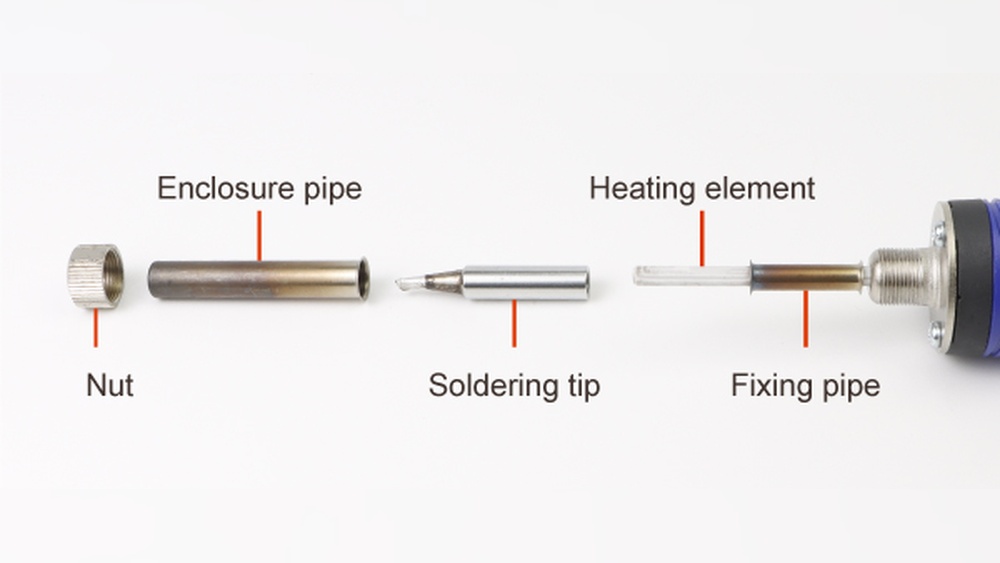
- Turn off and unplug the iron; allow it to cool completely.
- Remove the old tip with pliers if necessary.
- Clean the heating element and holder with a dry cloth, do not use water or solvents.
- Insert the new tip, ensuring a snug fit.
- Heat and tin the new tip immediately before first use.
Example: Scheduled Maintenance In Manufacturing
In a mid-sized electronics manufacturing facility, technicians log tip changes and maintenance in a shared database. This system enables managers to track tip lifespans and identify factors (such as excessive temperature or aggressive flux) that reduce durability. By correlating tip life data with usage patterns, the facility reduced tip costs by 18% over one year.
Warning:
Always allow the soldering iron to cool before replacing the tip. Attempting to swap tips when the iron is hot can lead to burns, electrical shock, or damage to internal components.
Environmental And Safety Considerations
Beyond performance, proper tip replacement and disposal have broader implications for safety and sustainability.
Safe Handling And Disposal
Soldering tips accumulate residues of solder and flux, some of which may contain lead or other hazardous substances. Used tips should be disposed of according to local regulations for electronic waste. Never throw used tips in regular trash if they contain leaded solder residues.
Reducing Waste Through Longevity
By adopting best practices for maintenance and choosing high-quality tips, users can reduce electronic waste. Some manufacturers offer tip recycling programs or accept returns for eco-friendly disposal.
Example: Reducing Environmental Impact
A university electronics lab switched from disposable tips to higher-quality, long-life models. Over one academic year, tip waste dropped by 40%, and lab costs decreased, demonstrating the environmental and financial benefits of improved tip management.
Additional Resource
For a comprehensive overview of electronic waste management and recycling, see the US EPA’s guide on electronics recycling.
Frequently Asked Questions
How Can I Tell If My Soldering Iron Tip Is Beyond Saving?
If your tip is pitted, has deep erosion, or if solder will not stick even after thorough cleaning and tinning, it is almost always beyond repair. At this stage, the iron plating has been compromised, exposing the copper core to rapid corrosion and poor heat transfer.
Can I Extend Tip Life By Using Special Cleaning Chemicals Or Solutions?
While there are tip cleaners and activators on the market, their effectiveness is limited. Overuse of harsh chemicals can strip the protective coating. Gentle cleaning with brass wool and regular tinning are more effective for everyday maintenance.
Are All Soldering Iron Tips Interchangeable Between Brands?
No, tips are often brand- and model-specific. Even if a tip physically fits, the heating characteristics or mounting method may differ, leading to poor performance or damage. Always consult your soldering station’s manual for compatible tip models.
What Is The Best Way To Store Unused Soldering Iron Tips?
Unused tips should be kept in a dry, dust-free environment. Storing them in original packaging or a sealed container prevents oxidation and contamination, helping them last longer before use.
Can Damaged Soldering Iron Tips Be Repaired?
Once the iron plating is breached and copper is exposed, repair is not practical or cost-effective. DIY attempts (such as re-tinning with solder) offer only temporary improvement. Replacement is the only reliable solution for sustained performance.
Knowing exactly how often to replace soldering iron tips is crucial for anyone seeking consistent, high-quality soldering results. By monitoring tip condition, understanding your usage patterns, and following best maintenance practices, you can maximize both the lifespan and performance of your tips. Invest in quality, maintain your tools, and replace tips promptly when signs of wear appear, ensuring your soldering projects remain smooth, safe, and reliable.