
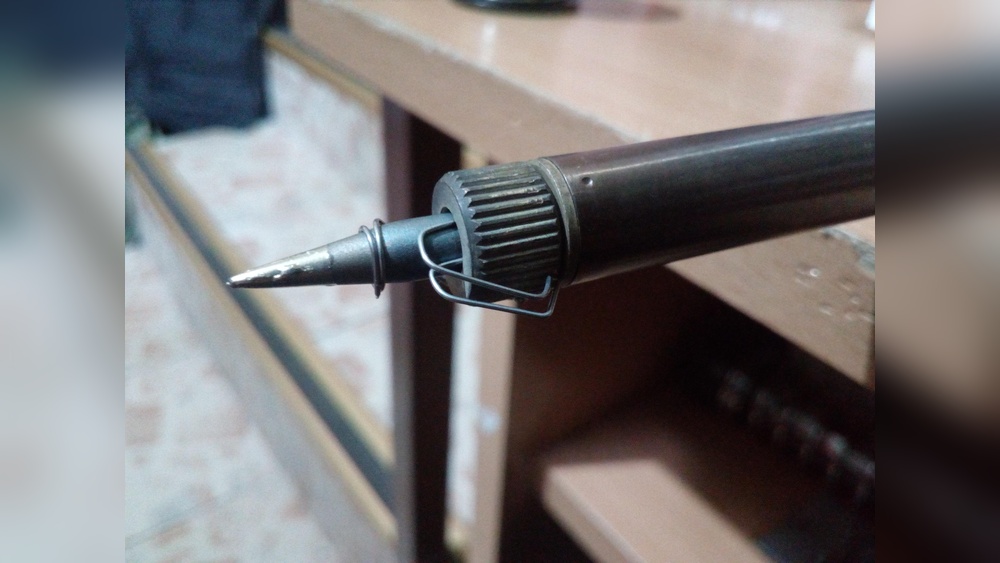
Ever wondered whether a soldering iron can melt plastic? This question is surprisingly common among hobbyists, repair technicians, and anyone working with electronics or plastics. While soldering irons are designed for melting solder, a metal alloy used to join components, many people have experimented with these tools on plastics for repairs, crafting, or prototyping. The results can vary widely, depending on the type of plastic, temperature control, and the application.
Understanding the thermal properties of plastics and the capabilities of soldering irons is crucial for safety and effectiveness. Melting plastic with a soldering iron isn’t always straightforward, and it can carry risks such as toxic fumes, tool damage, or unsatisfactory results.
This article explores the science behind melting plastic with a soldering iron, outlines practical use cases, compares alternatives, and provides actionable guidelines for anyone considering this approach.
Key Takeaways
- Soldering irons can melt many common plastics, but results vary by material and temperature.
- Safety precautions are essential due to toxic fumes and potential tool damage.
- The melting point of plastics ranges widely; check the material before attempting repairs or crafts.
- Specialized tools may outperform soldering irons for plastic welding and joining.
- Real-world examples demonstrate practical uses and limitations for melting plastic with a soldering iron.

Credit: www.youtube.com
Understanding Soldering Irons: Design And Function
A soldering iron is an electrically powered tool used to heat metal alloys (solder) for joining electronic components. Its tip can reach temperatures between 250°C and 450°C, depending on the model and settings. Soldering irons typically feature a metal heating element, a temperature control dial, and an insulated handle for safety.
Components And Temperature Range
- Heating element: Converts electrical energy into heat.
- Tip: Usually made of copper, plated with iron for durability.
- Handle: Insulated for safe gripping.
- Temperature control: Allows adjustment, critical for different tasks.
Most plastics melt at temperatures between 100°C and 300°C (212°F to 572°F), but some engineering plastics require higher temperatures. A soldering iron’s range covers most common plastics, making it feasible to melt them, but not always efficiently or safely.
Intended Use Vs. Off-label Application
Soldering irons are engineered for metals, not plastics. Using them on plastic is an off-label application, which can:
- Damage the iron’s tip due to sticky residues.
- Release hazardous fumes from melting plastic.
- Lead to uneven melting or burnt spots.
Pro Tip: Always clean the tip after melting plastic to prevent residue buildup, which can affect future soldering.
The Science Of Melting Plastic: Thermal Properties
Plastics are synthetic polymers with diverse melting points, determined by molecular structure. The most common types encountered in consumer goods include polyethylene (PE), polypropylene (PP), polyvinyl chloride (PVC), and acrylonitrile butadiene styrene (ABS).
Melting Points Of Common Plastics
| Plastic Type | Melting Point (°C) | Typical Applications |
|---|---|---|
| Polyethylene (PE) | 115, 135 | Bottles, bags, containers |
| Polypropylene (PP) | 130, 171 | Caps, automotive parts |
| Polyvinyl Chloride (PVC) | 160, 210 | Pipes, cables, toys |
| Acrylonitrile Butadiene Styrene (ABS) | 105 | LEGO bricks, appliance housings |
| Polycarbonate (PC) | 260 | Eyewear, CDs, helmets |
A soldering iron’s temperature is adequate for melting PE, PP, ABS, and PVC. However, plastics like polycarbonate require higher heat, sometimes at the upper limit or beyond standard soldering iron capability.
Heat Transfer And Plastic Degradation
When a soldering iron is applied to plastic:
- The tip transfers heat, causing the polymer chains to break down and liquefy.
- Excessive heat can degrade the plastic, resulting in charring, bubbling, or toxic emissions.
- Fine temperature control is crucial to avoid burning or damaging the material.
Warning: Some plastics emit toxic fumes (e.g., PVC releases hydrochloric acid gas) when overheated. Always work in a ventilated area or use a fume extractor.

Credit: gardenculturemagazine.com
Practical Applications: Melting Plastic With A Soldering Iron
Melting plastic with a soldering iron is common in repair, crafting, and prototyping. Here are some real-world scenarios where this approach is used:
Repairing Plastic Components
Many hobbyists use soldering irons to fix broken plastic parts, such as:
- Automotive plastic panels: Small cracks are melted and fused.
- Household appliances: Broken casings can be patched.
- Toys: Damaged sections are welded together.
Example: A technician repaired a cracked ABS vacuum cleaner housing by melting the edges and reinforcing with a thin metal mesh, using a soldering iron set to 200°C.
Crafting And Artistic Projects
Artists and crafters may use soldering irons to shape or carve plastic:
- Custom sculptures: Detail work on ABS or PVC models.
- Embossing designs: Melting surface layers for texture.
- Joining recycled plastic pieces: Creating new items from old containers.
In my experience, using a soldering iron for plastic sculpture requires careful control, too much heat quickly burns the material, while too little fails to create a smooth finish.
Prototyping And Diy Projects
DIY enthusiasts employ soldering irons for rapid prototyping:
- Creating joints: Fusing plastic rods or sheets.
- Mounting electronics: Making custom enclosures.
- Modifying devices: Adjusting plastic housings for fit.
Pro Tip: Test the soldering iron on scrap plastic first to gauge melting speed and quality.
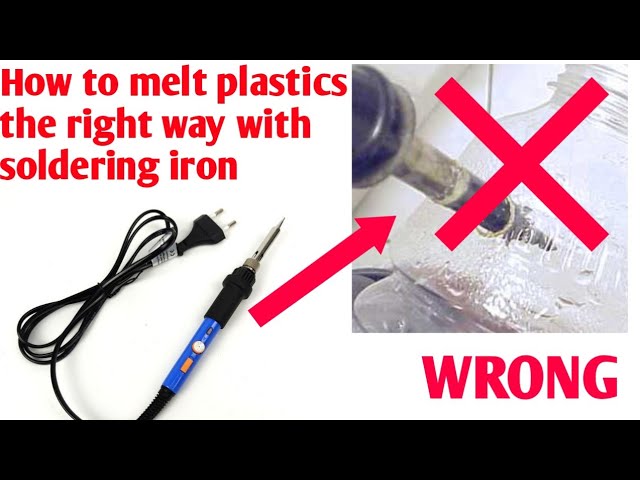
Credit: www.youtube.com
Safety Considerations: Risks And Best Practices
Melting plastic with a soldering iron poses several risks, including exposure to hazardous fumes, burns, and tool damage. Here’s how to minimize dangers:
Toxic Fume Exposure
When plastics are heated, they can release volatile organic compounds (VOCs) and other toxic gases. For example, PVC emits hydrochloric acid gas, which is corrosive and harmful to lungs.
Best practices:
- Work in a well-ventilated area.
- Use a fume extractor or wear a mask rated for chemical vapors.
- Avoid prolonged exposure.
Burn And Fire Hazards
Soldering irons reach high temperatures and can ignite flammable materials.
- Keep flammable objects away from the work area.
- Use heat-resistant mats.
- Never leave a hot soldering iron unattended.
Tool Maintenance
Melting plastic leaves sticky residues on the soldering iron tip, which can interfere with future soldering.
- Clean the tip with a damp sponge or brass wool after each use.
- Avoid using the same iron for both soldering and plastic work; consider a dedicated tool.
Protective Gear
Wear:
- Heat-resistant gloves
- Safety goggles
- Long sleeves to protect from splashes or burns
Warning: Never use a soldering iron near water or damp conditions, electric shock risk increases.
Alternatives To Soldering Irons For Melting Plastic
While soldering irons are accessible, other tools are often better suited for melting and joining plastics.
Hot Air Guns
Hot air guns blow heated air (typically 100°C to 600°C) and are used for:
- Softening large plastic surfaces.
- Welding plastic sheets or pipes.
Advantages:
- Adjustable temperature and airflow.
- Even heat distribution.
Plastic Welding Kits
Plastic welders are purpose-built for joining plastic parts.
- Include specialized tips and temperature control.
- Often use plastic filler rods for strong bonds.
| Tool | Temperature Range (°C) | Suitable for | Precision |
|---|---|---|---|
| Soldering Iron | 250, 450 | Small repairs, detail work | High |
| Hot Air Gun | 100, 600 | Large surfaces, shaping | Medium |
| Plastic Welder | Variable (up to 800) | Structural joining, repairs | High |
| Heat Press | Up to 300 | Laminating, forming | Low |
Chemical Solvents
Certain plastics can be joined or shaped with chemical solvents (e.g., acetone for ABS).
- Dissolve surface layers for bonding.
- No heat required, but can weaken material.
Warning: Use only recommended solvents, some are highly flammable or toxic.
Laser Cutters And Cnc Machines
For precision work, laser cutters or CNC routers can melt or shape plastics using focused energy.
- Ideal for intricate designs.
- Expensive and require special training.
Real-world Examples And Case Studies
Examining actual use cases illustrates the practical possibilities, and limitations, of melting plastic with a soldering iron.
Case Study 1: Automotive Plastic Repair
A car owner used a soldering iron to repair a cracked polypropylene bumper. The process involved:
- Cleaning and aligning the crack.
- Melting the edges with the iron.
- Embedding a metal mesh for reinforcement.
- Smoothing the surface.
Result: The repair was strong enough for daily use, but the finish was rough compared to professional welding.
Case Study 2: Diy Electronics Enclosure
An electronics hobbyist needed a custom hole in an ABS project box. Using a soldering iron, they:
- Marked the outline.
- Heated the tip to 200°C.
- Slowly melted the plastic, forming a hole.
Result: The hole was functional, but edges were uneven. Sanding improved appearance.
Case Study 3: Artistic Sculpture
A sculptor working with PVC pipes used a soldering iron to add fine texture to a model. The process required:
- Careful temperature control.
- Short bursts of contact.
- Ventilation to manage fumes.
Result: The sculpture featured unique textures, but required extensive cleaning of the iron tip.
Example: In my experience, using a soldering iron for detail work on plastic models is effective, but only when the correct temperature is maintained. Overheating causes discoloration and loss of detail.
Step-by-step Guide: Melting Plastic With A Soldering Iron
If you plan to melt plastic using a soldering iron, follow these guidelines for best results and safety.
Preparation
- Identify the plastic type and check its melting point.
- Set up a well-ventilated workspace.
- Gather protective gear: Gloves, goggles, mask.
- Clean the soldering iron tip.
Setting The Temperature
- Adjust the iron to a temperature just above the plastic’s melting point.
- Avoid maximum heat; it can burn or degrade the material.
Melting And Shaping
- Press the iron tip gently against the plastic.
- Move slowly to allow even melting.
- For joining, melt both surfaces and press together.
- For shaping, work in short bursts to prevent overheating.
Pro Tip: Practice on scrap material before working on the actual piece.
Post-processing
- Allow the plastic to cool and solidify.
- Sand or trim rough edges for a clean finish.
- Clean the iron tip thoroughly to remove residue.
Soldering Iron Vs. Dedicated Plastic Welding: Which Is Better?
For occasional repairs or artistic projects, a soldering iron is accessible and precise. However, for structural joins or frequent work, dedicated plastic welding tools are superior.
| Criteria | Soldering Iron | Plastic Welder |
|---|---|---|
| Cost | Low ($10, $50) | Medium, High ($50, $200+) |
| Precision | High (detail work) | High (structural joins) |
| Speed | Slow (small areas) | Fast (large repairs) |
| Safety | Moderate (fumes, burns) | High (built-in ventilation) |
| Versatility | Limited (small projects) | High (wide range) |
For more information about plastic welding, see Wikipedia.
Environmental Impact: Recycling And Reuse
Melting plastic with a soldering iron is sometimes used to repurpose waste materials, but it’s not always environmentally friendly.
Recycling Challenges
- Melting mixed plastics can produce harmful emissions.
- Residue buildup complicates further recycling.
Safe Practices
- Only melt plastics known to be safe (e.g., PE, PP).
- Avoid burning or charring, which releases pollutants.
- Consider mechanical joining for recycling projects.
Example: A community recycling workshop used soldering irons to create decorative items from HDPE bottle caps. They ensured proper ventilation and limited exposure times for participants.
For more on plastic recycling, refer to PlasticsEurope.
Frequently Asked Questions
Can Any Soldering Iron Melt Plastic?
Not all soldering irons can melt every type of plastic. Basic models may lack adjustable temperature, making them unsuitable for high-melting-point plastics like polycarbonate. For most household plastics (PE, PP, ABS), even inexpensive soldering irons can achieve melting, but results vary by power rating and tip size.
Is It Safe To Use A Soldering Iron For Plastic Repairs?
Safety depends on the plastic type and precautions taken. Melting plastics such as PVC or polystyrene can release hazardous gases, so always use protective gear and proper ventilation. Dedicated plastic welding tools often include safety features missing from basic soldering irons.
Will Melting Plastic With A Soldering Iron Damage The Tool?
Melting plastic leaves sticky residues and can degrade the soldering iron tip over time. It’s best to use a separate soldering iron for plastic work or clean the tip thoroughly after each use. Excessive residue buildup may decrease efficiency for future metal soldering.
What Types Of Plastic Are Easiest To Melt With A Soldering Iron?
The easiest plastics to melt with a soldering iron are polyethylene (PE), polypropylene (PP), and acrylonitrile butadiene styrene (ABS). These have lower melting points and respond well to controlled heat. Harder plastics like polycarbonate or nylon require higher temperatures and specialized tools.
Can Melted Plastic Be Used To Repair Structural Components?
Melted plastic can repair cracks or holes in non-load-bearing items, but it’s generally not strong enough for structural applications. For high-strength repairs, use plastic welding kits with filler rods or mechanical reinforcement (metal mesh). Always test the repair before returning the item to service.
Melting plastic with a soldering iron is a practical solution for small repairs and creative projects, but it’s essential to understand the limitations and risks. By considering the melting points, safety precautions, and alternative tools, you can achieve effective results without damaging your equipment or compromising your health.
Whether you’re fixing a household item, crafting art, or prototyping a device, knowing when and how to use a soldering iron for plastic work will help you make informed decisions and avoid common pitfalls.