
Choosing the right multimeter can make the difference between hassle-free troubleshooting and time-consuming guesswork, whether you’re a beginner exploring basic electronics or an advanced technician tackling intricate diagnostics. With hundreds of models on the market, each promising a unique blend of features, accuracy, and durability, the decision can feel overwhelming.
Understanding the key considerations before making your purchase can help ensure you get a tool that matches your needs, skill level, and budget.
In this comprehensive guide, you’ll learn not only the essential factors for selecting a multimeter but also expert-level advice to maximize your investment. From basic measurement capabilities to advanced features, safety standards, real-world examples, and actionable tips, this article is designed to empower both newcomers and seasoned professionals alike.
Key Takeaways
- Identify your primary use case to choose between basic and advanced multimeters.
- Safety ratings and input protection are critical, especially for industrial or high-voltage applications.
- Accuracy, resolution, and measurement ranges should match your project requirements.
- Ergonomic design and display quality enhance usability for prolonged tasks.
- Consider extra features like data logging, auto-ranging, and connectivity for advanced troubleshooting.

Credit: www.foxvalleymetrology.com
Understanding Multimeter Types
Before analyzing specifications and features, it’s vital to grasp the types of multimeters available and their core distinctions. Your choice here lays the foundation for every other decision.
Analog Vs. Digital Multimeters
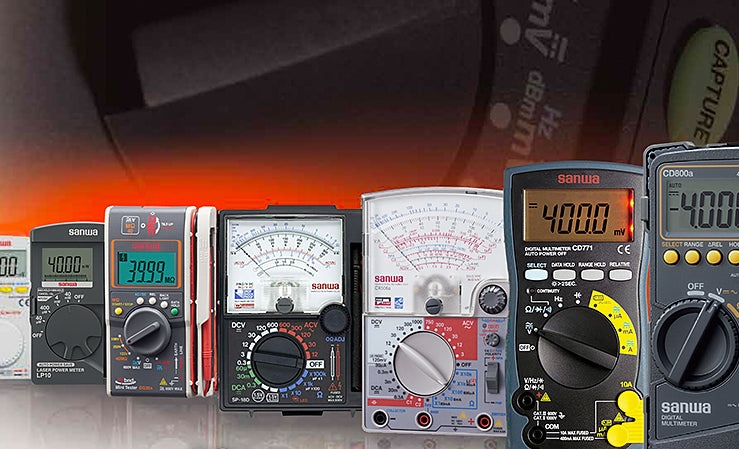
Analog multimeters use a needle and scale to display measurements. They’re favored for observing fluctuating signals due to their continuous movement but are less common today. Their strengths include:
- Smooth tracking of changes (great for trends)
- Simpler circuitry, often more rugged
However, analog models offer limited accuracy and resolution, making them less suitable for detailed diagnostics.
Digital multimeters (DMMs), now the industry standard, use an LCD or LED screen for readings. Their key advantages:
- Higher accuracy and resolution
- Easier to read, especially for beginners
- Enhanced features, such as auto-ranging and data hold
For most users, a digital multimeter is the optimal choice due to its versatility and ease of use.
Handheld Vs. Benchtop Multimeters
Handheld multimeters are portable, battery-powered devices ideal for fieldwork, home use, and troubleshooting on the go. Their compact design makes them the go-to option for electricians and hobbyists.
Benchtop multimeters, in contrast, are larger, mains-powered instruments typically found in labs or workshops. They provide superior accuracy, more measurement functions, and often integrate with computers for data logging.
Example: An electronics lab technician uses a benchtop model for high-precision measurements during circuit design, while an HVAC repair technician relies on a handheld unit for field diagnostics.
Auto-ranging Vs. Manual-ranging Models
Auto-ranging multimeters automatically detect and set the correct measurement range, simplifying operation for beginners and reducing the risk of incorrect readings. Manual-ranging units require the user to select the proper range, offering more control for advanced users who demand speed and specificity.
Pro Tip: If you’re new to multimeters, an auto-ranging digital model minimizes errors and streamlines measurements.
Credit: www.sanwa-america.com
Core Measurement Capabilities
Every multimeter should cover fundamental electrical measurements, but the breadth and depth of capabilities differ widely between models. Here’s what to look for:
Essential Measurements
At a minimum, a quality multimeter should accurately measure:
- Voltage (AC/DC): For checking batteries, circuits, and outlets.
- Current (AC/DC): To diagnose circuit loads or detect faults.
- Resistance: Useful for testing components, fuses, and connections.
Additional Measurement Functions
For advanced projects, consider models offering:
- Capacitance: Measures the ability of capacitors to store charge.
- Frequency: Essential for troubleshooting oscillators or motor drives.
- Temperature: Useful for HVAC and automotive work.
- Continuity and Diode Testing: Quickly identifies open circuits and checks semiconductor health.
Measurement Ranges And Resolution
A multimeter’s range defines the minimum and maximum values it can measure. For example, if you’re working with household circuits (120V AC), ensure the voltage range covers at least 600V for safety.
Resolution indicates the smallest increment displayed. A higher resolution (e.g., 0.01V vs. 0.1V) enables finer readings, which is critical for precision work.
Example: When troubleshooting sensitive analog audio equipment, choosing a multimeter with millivolt resolution can help identify subtle voltage drops that affect sound quality.
True Rms Vs. Average Responding
When measuring AC signals, especially non-sinusoidal waveforms from variable frequency drives or electronic ballasts, a True RMS multimeter provides accurate readings. Average responding meters may under- or over-report such waveforms, leading to misdiagnosis.
Warning: For modern electronics or industrial applications, always opt for a True RMS model.
Safety Standards And Protection
Choosing a multimeter with robust safety features is non-negotiable, especially when working with high voltages or industrial systems. Manufacturers follow global standards to ensure user protection.
Cat Safety Ratings
The Category (CAT) rating indicates the level of transient overvoltage the meter can withstand. There are four main categories:
- CAT I: Protected for low-energy circuits (electronics)
- CAT II: Suitable for appliances and plug-in devices
- CAT III: Safe for distribution wiring (main panels, outlets)
- CAT IV: Rated for utility connections and outdoor mains
For household and light industrial use, a CAT III or higher rating is recommended. For commercial or utility work, CAT IV is essential.
Maximum Voltage And Current Ratings
Always verify the maximum input ratings. Using a multimeter outside its specifications can result in instrument failure or serious injury.
Pro Tip: Choose a model rated at least 20% higher than your highest expected measurement for a safety margin.
Input Protection And Fusing
Quality multimeters use high-energy fuses and robust input protection circuits to guard against overloads and accidental misuse. Look for:
- Ceramic or HRC fuses (higher breaking capacity)
- MOVs (Metal Oxide Varistors) and PTCs (Positive Temperature Coefficient resistors) for surge protection
Example: In my experience, a blown fuse saved my handheld meter when accidentally measuring voltage on a current setting, a common beginner’s mistake.
Certification And Compliance
Look for markings like UL, CE, or IEC 61010 on the case or in the manual. These indicate third-party certification of electrical safety standards.
External resource: For more about electrical safety standards, see the IEC 61010 Wikipedia article.

Credit: www.makeuseof.com
Accuracy, Resolution, And Performance
A multimeter’s measurement accuracy and performance parameters play a crucial role in its reliability. While beginners may not need laboratory precision, understanding these metrics helps you avoid costly mistakes.
Understanding Accuracy Specifications
Accuracy is often specified as a percentage of reading plus a number of least significant digits (e. g. , ±(0. 5%+2)). This means the reading can be off by the stated percent plus the value of two digits in the least significant place.
Example: For a reading of 100.0V with an accuracy of ±(0.5%+2), the error could be ±0.5V plus ±0.2V, totaling ±0.7V.
Display Counts And Digits
Multimeters are described by their display count (e.g., 2000-count, 6000-count). This refers to the highest number displayed before rolling over. A 6000-count meter can display up to 5999, offering better resolution than a 2000-count model.
Number of digits is another parameter, 3½-digit (1999 maximum), 4½-digit (19999 maximum), etc. Higher digits and counts mean finer measurement steps.
Response Time
For rapidly fluctuating signals, a faster response time helps capture real readings. Advanced models update several times per second, while budget meters may lag, potentially missing transient events.
Temperature And Environmental Compensation
If you work outdoors or in harsh environments, look for models with temperature compensation or certified operating ranges. Some meters drift outside 32, 104°F (0, 40°C), which can skew readings in extreme conditions.
Example: Automotive technicians working in unheated garages in winter may notice their budget meters struggle with accurate readings due to low temperatures.
Data Table: Comparison Of Multimeter Accuracy And Display
| Model | Accuracy (DCV) | Display Count | Response Time | Temperature Range |
|---|---|---|---|---|
| Fluke 117 | ±(0.5%+2) | 6000 | 3/s | 14°F, 122°F |
| Klein Tools MM6000 | ±(0.3%+2) | 6000 | 2/s | 32°F, 104°F |
| Amprobe AM-510 | ±(1.0%+3) | 4000 | 2/s | 32°F, 104°F |
Usability, Ergonomics, And Build Quality
A feature-packed multimeter is only as good as its ease of use and durability. From display clarity to rugged construction, these aspects impact your day-to-day workflow.
Display Quality And Backlighting
A clear, easy-to-read display reduces eyestrain and errors, especially in dim environments. Look for:
- Large digits for quick glances
- Backlighting for low-light conditions
- Bar graphs to visualize rapidly changing signals
Example: Electricians working in attics or basements benefit from a strong backlight and high contrast display for safe, efficient measurements.
Control Layout And Interface
Intuitive controls, well-labeled buttons, and a logical dial layout make a world of difference, especially for beginners. Poorly designed interfaces can lead to incorrect settings or slow operation.
Physical Durability
Fieldwork demands a tough instrument. Consider:
- Drop ratings (test to 1 meter or more)
- Rubberized case for impact resistance
- Ingress Protection (IP) rating for dust and moisture
Pro Tip: For construction sites or automotive work, prioritize a ruggedized multimeter with a high drop and IP rating.
Portability And Battery Life
Handheld multimeters should balance compactness with battery longevity. Some advanced models offer rechargeable batteries, while others use standard AA or 9V cells. Battery indicators and auto-off functions extend operational life.
Lead Quality And Accessories
The provided test leads should be supple, well-insulated, and rated for the meter’s maximum voltage. Accessories, such as alligator clips or temperature probes, add value and versatility.
Data Table: Ergonomic Features Comparison
| Model | Display Size | Backlight | Drop Test | IP Rating | Battery Life (hrs) |
|---|---|---|---|---|---|
| Fluke 87V | 2.25″ | Yes | 1m | IP30 | 400 |
| Extech EX330 | 1.5″ | No | 1m | IP20 | 150 |
| INNOVA 3320 | 1.6″ | Yes | 1m | IP20 | 200 |
Advanced Features And Connectivity
Today’s multimeters go far beyond basic measurements. If you anticipate evolving needs or work in a professional setting, investing in advanced features pays dividends.
Data Logging And Storage
Data logging allows you to record measurements over time, useful for monitoring trends or diagnosing intermittent faults. Benchtop and premium handheld models often support onboard memory or removable SD cards.
Wireless And Usb Connectivity
Some advanced meters connect to PCs or mobile devices via Bluetooth or USB, enabling:
- Long-term data analysis
- Remote monitoring in hazardous locations
- Report generation for compliance
Example: An engineer troubleshooting a remote solar inverter uses a Bluetooth-enabled meter to transmit live voltage data to a laptop, ensuring safety and convenience.
Relative And Peak Hold Functions
- Relative mode lets you set a baseline (zero) to measure changes, useful for component comparisons.
- Peak hold captures brief signal spikes, essential in automotive and industrial troubleshooting.
Low Impedance (loz) Mode
LoZ mode helps eliminate ghost voltages, false readings caused by capacitive coupling in long runs or open wires. This is especially important for electricians testing de-energized circuits.
Non-contact Voltage Detection
Many modern meters offer non-contact voltage (NCV) detection, enabling a quick safety check for live wires without making direct contact.
Advanced Measurement Modes
- Duty cycle measurement for PWM signals
- Microamp measurement for sensitive electronics
- Low-pass filtering for noisy environments
Table: Advanced Feature Comparison
| Model | Data Logging | PC Connectivity | NCV Detection | LoZ Mode |
|---|---|---|---|---|
| Fluke 287 | Yes | USB | No | Yes |
| Brymen BM869s | Yes | USB | Yes | No |
| Uni-T UT61E | No | RS232 | No | No |
Price, Warranty, And Brand Reputation
Multimeters range from budget-friendly models under $30 to high-end instruments exceeding $500. Balancing cost against required features is crucial, both beginners and professionals should avoid false economy or overpaying for unnecessary capabilities.
Entry-level Vs. Professional Models
- Entry-level multimeters (under $60): Ideal for simple household tasks, basic electronics, or student use. Limited advanced features, but sufficient for learning and troubleshooting.
- Professional-grade meters ($100, $400+): Offer superior accuracy, advanced safety, and robust build. Suited for daily field or industrial work.
Warranty And Customer Support
A generous warranty (3, 5 years or lifetime) and responsive customer support signal a manufacturer’s confidence in their product. Top brands often provide easy access to firmware updates, accessories, and calibration services.
Brand Reputation
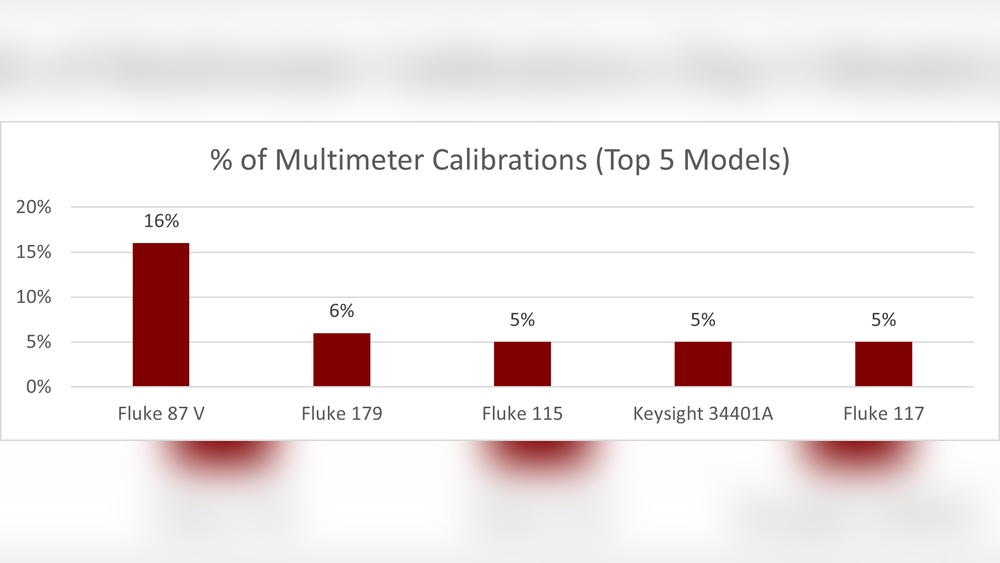
Established brands like Fluke, Keysight, Brymen, and Klein Tools are trusted for their reliability and service. While lesser-known brands may offer attractive prices, check for independent reviews and certifications.
External resource: For an in-depth review of leading multimeter brands, visit the EEVblog Test Equipment Forum.
Real-world Example: Choosing On A Budget
A college student needs a meter for coursework and hobby projects. They select a midrange model with basic voltage, current, resistance, and continuity functions, trading advanced features for affordability and a 2-year warranty.
Hidden Costs To Consider
- Calibration services: Professional models may require periodic calibration.
- Replacement fuses and leads: Factor in the cost of consumables.
- Software licenses: For data logging or PC connectivity.
Pro Tip: Calculate total cost of ownership, not just the sticker price, especially for professional use.
Matching A Multimeter To Your Application
The “best” multimeter is context-dependent. Matching your tool to your needs ensures both safety and productivity.
Hobbyists And Beginners
- Auto-ranging digital models are easiest to use.
- Essential functions: Voltage, current, resistance, continuity, diode check.
- Prioritize intuitive interface and clear display.
Homeowners And Diyers
- Look for non-contact voltage detection for basic electrical safety.
- Rugged build and IP rating for garage or workshop use.
- CAT II or CAT III safety rating for household circuits.
Automotive Technicians
- Microamp, frequency, and duty cycle measurements for sensors and injectors.
- Temperature probe compatibility.
- High-contrast display for outdoor or under-hood work.
Electricians And Field Technicians
- CAT III/IV safety, LoZ mode, and robust drop protection.
- Large, backlit display.
- High current measurement capability (10A+).
Engineers And Advanced Users
- True RMS, data logging, PC connectivity.
- High display count and digit resolution.
- Advanced measurement modes (capacitance, frequency, low-pass filter).
Example: An industrial electrician selects a CAT IV meter with LoZ mode, peak hold, and Bluetooth logging to document power quality issues in a factory.
Frequently Asked Questions
What Does “true Rms” Mean And Why Is It Important?
True RMS stands for “Root Mean Square” and refers to a meter’s ability to accurately measure the effective value of AC voltages and currents, regardless of waveform shape. Many modern devices (like variable speed drives or LED lighting) produce distorted, non-sinusoidal waveforms. Only True RMS meters provide correct readings in these situations, avoiding underestimation or overestimation that can occur with average responding meters.
How Do I Know If A Multimeter Is Safe For High-voltage Work?
Check the CAT rating (III or IV for high-voltage environments), maximum voltage input specification (e.g., 600V or 1000V), and confirm the meter has third-party certifications such as UL or IEC 61010. Also, inspect for robust input protection like high-energy fuses and surge protection components. Always verify the safety features before measuring high-energy circuits.
Can I Use A Cheap Multimeter For Electronics Repair?
In many cases, an affordable multimeter suffices for basic electronics repair, especially if you’re only measuring low voltages and currents. However, low-cost models may lack safety features, advanced measurement modes, or accuracy. For sensitive work, consider investing in a meter with better accuracy, microamp capability, and quality leads.
Always inspect build quality and look for independent reviews before purchase.
How Often Should I Calibrate My Multimeter?
Calibration intervals depend on usage, environment, and manufacturer recommendations. For hobby or occasional home use, calibration every 2, 3 years is typical. Professional environments or precision tasks (e. g. , lab work) may require annual calibration or even more frequent checks.
Many manufacturers offer calibration services, and some meters have built-in self-check features.
What Advanced Features Are Useful For Troubleshooting Modern Electronics?
For modern electronics, features like data logging, PC/Bluetooth connectivity, peak hold, relative measurement, and frequency/duty cycle analysis are invaluable. These capabilities help diagnose intermittent faults, analyze signal integrity, and document findings. As electronics evolve, these advanced functions make troubleshooting more efficient and accurate.
Selecting a multimeter is a pivotal decision for anyone working with electricity, from beginners to seasoned professionals. By carefully evaluating your needs, safety requirements, and feature preferences, you can invest in a tool that enhances both your confidence and efficiency.
Whether you’re learning the basics or solving complex technical problems, the right multimeter becomes an indispensable partner, so choose wisely and always prioritize both safety and reliability.