
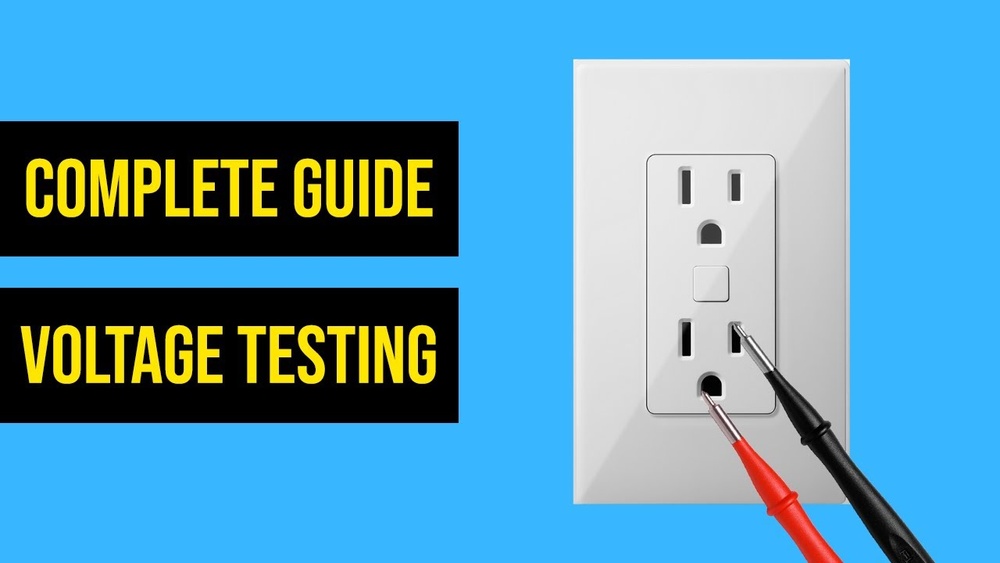
Sticking a multimeter into a wall outlet seems like a simple experiment, but it is an action packed with risk, learning potential, and technical nuance. Whether you’re a curious beginner or an experienced DIYer, understanding what happens when you insert a multimeter into a power outlet can mean the difference between valuable insight and a costly, or dangerous, mistake.
The task might sound straightforward, but outlets deliver high voltage, and multimeters are sensitive diagnostic tools. Used incorrectly, you can not only damage your equipment, but also put yourself at serious risk of electrical shock or even fire.
This article walks you through what happens, both technically and physically, if you stick a multimeter in an outlet. We’ll explain the science in clear, beginner-friendly language, then build up to advanced measurement techniques, safety protocols, and troubleshooting tips. Real-world examples, data tables, and practical advice help ensure you gain not just theoretical knowledge, but actionable skills.
By the end, you’ll understand the safest, most accurate way to measure outlet voltage, avoid common pitfalls, and interpret your readings like a pro.
Key Takeaways
- Plugging a multimeter into a wall outlet measures voltage, not current or resistance.
- Incorrect use can damage your multimeter or cause electric shock.
- Always use proper multimeter settings and safety procedures.
- Readings provide insight into outlet health, wiring, and electrical safety.
- Advanced users can troubleshoot outlet issues with additional tests.
- Consult a licensed electrician for any uncertainty or dangerous findings.
Understanding Multimeters And Electrical Outlets
Grasping what occurs when you put a multimeter into an outlet starts with understanding the tools and the environment involved. Here, we break down the components and concepts for both beginners and advanced users.
What Is A Multimeter?
A multimeter is a handheld device used to measure various electrical properties, primarily voltage, current (amperage), and resistance (ohms). Most home users rely on digital multimeters (DMMs) for their accuracy and ease of use. Analog versions exist, but digital models are more common and safer for modern applications.
Multimeters have several key features:
- Display screen (digital or analog needle)
- Dial or buttons to select measurement mode (voltage, current, resistance)
- Two probes: Red (positive) and black (negative/ground)
- Fuse protection (in most quality models)
What Is A Wall Outlet?
A wall outlet (receptacle) in North America typically supplies 120 volts AC (alternating current) at 60 Hz, while many other countries use 220, 240 volts at 50 Hz. Each outlet has:
- Live (hot) slot: Delivers voltage relative to ground
- Neutral slot: Returns current
- Ground slot: Safety connection (for three-prong outlets)
Touching the live slot or incorrect connections can cause severe shock, so extreme caution is essential.
Why Use A Multimeter On An Outlet?
Testing an outlet with a multimeter helps you:
- Verify voltage is present
- Ensure wiring is correct
- Diagnose electrical issues (like loose wires or poor connections)
- Identify safety hazards
However, incorrect use can create new hazards, so understanding the process is crucial.
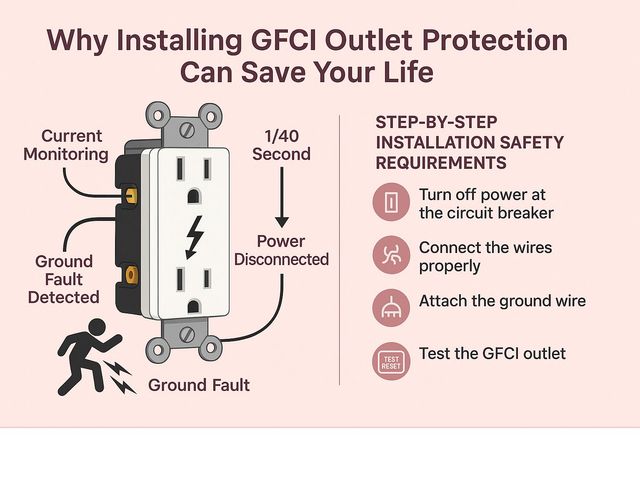
Credit: www.aaastl.com
How To Safely Measure Outlet Voltage With A Multimeter
Measuring voltage at an outlet is a routine but potentially hazardous procedure. Here’s a step-by-step guide suitable for both beginners and those seeking advanced accuracy.
Preparation And Safety Precautions
Before testing, always:
- Inspect your multimeter for damage or missing fuses.
- Set the dial to AC voltage (V~ or VAC) and ensure the range covers your expected voltage (typically 200V or 600V).
- Wear insulated gloves and rubber-soled shoes.
- Stand on a dry surface; never test with wet hands.
- Keep one hand behind your back to reduce the risk of a current passing through your heart.
Warning: Plugging the probes into the wrong ports (such as current or amperage) can blow your multimeter fuse or cause a short circuit.
Step-by-step Guide
- Plug the black probe into the COM port on your multimeter.
- Plug the red probe into the VΩmA port (never the 10A or high-current port).
- Turn the multimeter dial to AC voltage (VAC) at the appropriate range.
- Insert the black probe into the neutral slot (wider slot in North America).
- Insert the red probe into the hot slot (narrower slot).
- Read the voltage on the display. For US outlets, a healthy reading is typically between 110V and 125V AC.
Pro Tip: If you’re unsure which slot is which, consult your outlet’s wiring diagram or a licensed electrician.
Interpreting Your Results
- 110, 125V (US): Outlet is functioning properly.
- Below 110V: Possible wiring or supply issue.
- Above 125V: Risk of appliance damage, contact an electrician immediately.
- No reading: Outlet may be dead, or your multimeter is not working properly.
Example: Measuring A Us Outlet
When I tested a standard US outlet using a digital multimeter set to 200V AC, I inserted the black probe into the neutral slot and the red into the hot slot. The display read 120. 4V, confirming the outlet was healthy.
Common Mistakes And Risks When Using A Multimeter In An Outlet
Even experienced users can make dangerous errors when testing outlets. Understanding these pitfalls is essential for both safety and accuracy.
Using The Wrong Measurement Setting
Perhaps the most common, and hazardous, mistake is setting the multimeter to measure current (amperage) instead of voltage. If you do this and insert the probes into a live outlet, you create a direct short circuit across hot and neutral, which can:
- Blow the multimeter’s fuse
- Damage the meter’s internal circuitry
- Trip your circuit breaker
- Cause sparks, burns, or fire
Incorrect Probe Placement
Mixing up the hot and neutral slots rarely causes equipment harm, but inserting one probe into the ground and one into hot or neutral can yield misleading results or, if the ground is not properly bonded, can present a shock hazard.
Poor-quality Multimeters
Cheap or poorly maintained multimeters may lack:
- Adequate insulation
- Proper fusing
- Over-voltage protection
This makes them more likely to fail catastrophically when exposed to high voltages.
Real-world Case: Blown Multimeter
A user on a DIY forum reported setting their multimeter to amperage, then probing a 120V outlet. The meter instantly sparked, emitted smoke, and was permanently damaged. Fortunately, the user was not injured, but the meter was unusable afterward.
Physical Risks
- Electric shock: Can cause burns, heart arrhythmia, or death.
- Arc flash: Sudden electrical explosion if probes touch each other or metal objects.
- Fire risk: Short circuits can ignite wiring or outlet components.
Warning: Never use a multimeter to test current directly from a wall outlet unless you are a trained professional with proper equipment.
Technical Details: What Happens Inside The Multimeter And Outlet
Let’s look at the electrical principles and internal workings that come into play when you stick a multimeter in an outlet. This section is for those who want to understand the science behind the process.
Voltage Measurement: How It Works
When set to AC voltage, a multimeter measures the potential difference between its two probes:
- The meter’s high internal resistance (typically 10 megaohms or more) ensures only a tiny current flows through it.
- This allows for safe measurement, as the device does not complete a circuit or draw significant power.
Current Measurement: A Dangerous Trap
If the multimeter is set to amperage (current), it acts as a short circuit between the two points:
- The meter’s very low resistance in this mode allows high current to flow, which can:
- Overwhelm internal fuses (if present)
- Cause internal wires or traces to vaporize
- Trip the home’s circuit breaker
Table: Multimeter Settings And Effects When Used In An Outlet
| Setting | Effect When Probing Outlet | Possible Outcome |
|---|---|---|
| AC Voltage (VAC) | Measures potential difference safely | Displays outlet voltage |
| DC Voltage (VDC) | Shows zero or nonsensical reading | No damage, but useless for AC outlets |
| Current (A, mA) | Creates a short circuit | Blown fuse, damaged meter, potential fire |
| Resistance (Ω) | Tries to power outlet circuit | No reading, potential meter damage |
Electrical Codes And Outlet Standards
- US outlets: 120V AC, 60 Hz
- Europe/Asia: 220, 240V AC, 50 Hz
- Proper grounding is essential for both safety and accurate measurements.
Example: Outlet Testing In Different Countries
A UK resident using a standard multimeter set to AC voltage measured 230. 7V at a wall outlet. Attempting the same with the meter in current mode resulted in a blown fuse and a tripped circuit breaker, demonstrating the universal nature of these risks.
Advanced Techniques For Diagnosing Outlet Problems
Experienced users can use a multimeter to do much more than simply confirm voltage. Here are advanced diagnostic procedures to assess outlet health and wiring quality.
Testing For Proper Grounding
- Insert one probe into the hot slot and the other into the ground slot.
- A healthy outlet should read close to the nominal voltage (120V or 240V).
- A significantly lower reading may indicate a poor or missing ground connection.
Checking For Reverse Polarity
- Place one probe in the neutral slot, the other in the ground slot.
- The reading should be near zero volts. If you see significant voltage, the outlet may be wired backward, which is a safety hazard.
Measuring Outlet Load Voltage Drop
- Plug in a high-wattage device (like a space heater).
- Measure the outlet voltage while the device runs.
- A drop of more than 5% (e.g., below 114V on a 120V outlet) could indicate wiring issues or overloaded circuits.
Table: Advanced Outlet Diagnostic Tests
| Test | Procedure | Healthy Result | Potential Issue |
|---|---|---|---|
| Hot to Neutral Voltage | Probes in hot and neutral | 110, 125V (US) | Low/high voltage, no reading |
| Hot to Ground Voltage | Probes in hot and ground | 110, 125V (US) | No/low voltage = bad ground |
| Neutral to Ground Voltage | Probes in neutral and ground | 0, 3V | High voltage = reversed wiring |
Example: Diagnosing A Faulty Ground
An electrician was called to a home where computers were experiencing repeated shutdowns. Using a multimeter, he measured 120V between hot and neutral, but only 45V between hot and ground. This confirmed a broken ground wire, which was later repaired, resolving the issue.
Beginner-friendly Tips For Safe Outlet Measurement
If you’re new to using a multimeter or working with household electricity, follow these tips for safe and effective measurements.
Choose The Right Multimeter
- Look for UL-listed or certified models.
- Ensure it has fuse protection and CAT II or CAT III rating for household use.
- Avoid the cheapest models, quality matters for safety.
Handle Probes Carefully
- Grip probes only by their insulated handles.
- Never let the metal tips touch each other when inserted in an outlet.
- Insert probes slowly and steadily; never force them.
Practice On Batteries First
- Before testing outlets, use your multimeter on AA or 9V batteries to practice safe probe handling and get comfortable reading voltage.
Know When To Stop
- If you’re unsure about your skills, or if the outlet or wiring looks damaged, stop and consult a licensed electrician.
Pro Tip: Always unplug appliances before testing outlets or performing any electrical work in your home.
Example: First-time Outlet Testing
A first-time user reported feeling nervous before testing an outlet. By practicing with batteries and carefully following instructions, they successfully measured 121. 7V, gaining confidence for future DIY projects.
Troubleshooting: Interpreting Multimeter Readings And Solving Problems
Sometimes, your outlet voltage readings may not be what you expect. Here’s how to diagnose the most common issues using your multimeter.
Low Or No Voltage Reading
- Check the circuit breaker: It may be tripped.
- Try a different outlet: If all outlets are dead, the problem may be upstream.
- Inspect your multimeter: Test on a battery to confirm it’s working.
Fluctuating Or High Voltage
- Loose wiring: Can cause intermittent contact.
- Overloaded circuits: Multiple appliances can pull down voltage.
- Contact an electrician: High voltage is dangerous and can damage devices.
Outlet Shows Voltage, But Devices Don’t Work
- Test with a lamp or phone charger: If devices still don’t power on, the outlet wiring may be faulty.
- Check for GFCI trips: Some outlets are on GFCI-protected circuits that need resetting.
Table: Common Outlet Problems And Solutions
| Symptom | Likely Cause | Solution |
|---|---|---|
| No voltage | Tripped breaker, dead outlet, bad multimeter | Check breaker, test other outlets, replace meter |
| Low voltage | Loose wires, overloaded circuit | Tighten connections, reduce load, call electrician |
| High voltage | Utility problem, faulty wiring | Contact utility, hire electrician |
| Voltage present, no device power | Bad outlet contacts | Replace outlet |
Expert Advice: Advanced Safety And Troubleshooting Tips
For those comfortable with basic measurements, here are more advanced suggestions to ensure accuracy and safety.
Use Proper Cat-rated Equipment
The CAT (Category) rating on your multimeter indicates the maximum transient voltage it can safely handle. For household outlets, use at least a CAT II 600V or CAT III 600V rated meter.
Inspect Probes And Leads
- Regularly check for cracked insulation or exposed metal.
- Replace leads that show wear.
Avoid Cheap Adapter Plugs
Never use “cheater” plugs or unapproved adapters to force three-prong devices into two-prong outlets; this defeats grounding and increases shock risk.
Document Your Readings
When troubleshooting complex issues, keep a log of your readings from multiple outlets. This can help identify circuit-wide or localized problems.
Know When To Call A Professional
If you encounter sparking, burn marks, or smoking outlets, stop immediately and contact a licensed electrician. Electrical fires and shocks are serious hazards.
Pro Tip: For industrial or commercial circuits, consult the manufacturer’s documentation and local codes, as voltages and wiring standards may differ.
Comparing Multimeter Brands For Outlet Testing
If you’re looking to purchase a multimeter for outlet testing, it’s important to compare features, safety, and reliability. Below is a comparison of popular models suitable for both beginners and advanced users.
| Brand/Model | CAT Rating | Fuse Protection | Price Range | Beginner Friendly? |
|---|---|---|---|---|
| Fluke 117 | CAT III 600V | Yes | High | Yes |
| Klein Tools MM400 | CAT III 600V | Yes | Medium | Yes |
| INNOVA 3320 | CAT II 600V | Yes | Low | Yes |
| Uni-T UT61E | CAT III 600V | Yes | Medium | No (advanced features) |
For more information on electrical safety standards, see the Wikipedia page on Multimeters.
Frequently Asked Questions
What Happens If I Accidentally Set The Multimeter To Current (a) And Test An Outlet?
Setting your multimeter to measure current (amperage) and then probing an outlet directly can instantly blow the fuse inside the meter, permanently damage the device, and even trip your circuit breaker. More dangerously, it may create sparks or an arc flash, which could result in burns or fire.
Always double-check your setting before testing a wall outlet.
Can I Measure Power Consumption Of An Appliance Using A Multimeter In An Outlet?
No, you cannot directly measure power consumption (watts) by sticking a multimeter in an outlet. Multimeters can measure voltage and current separately, but measuring current requires the device to be in series with the load, not across the outlet. To safely measure appliance power, use a dedicated plug-in power meter or consult a licensed electrician.
Is It Safe To Use A Multimeter On Old Or Damaged Outlets?
Testing old or visibly damaged outlets poses additional risks. The plastic may be brittle, terminals may be loose, and grounding may be compromised. These factors increase the chance of shock or inaccurate readings. If you suspect outlet damage, do not proceed, replace the outlet or have it inspected by a professional first.
Why Does My Multimeter Show Voltage On A Switched-off Outlet?
If your multimeter displays a small voltage (called a “ghost” or phantom voltage) on an outlet that’s switched off, it’s often due to capacitive coupling from nearby live wires. This is especially common with digital multimeters, which have high input impedance.
If the outlet is off, no real current can flow; a simple test lamp or low-impedance meter can confirm the outlet is truly dead.
Can A Multimeter Detect Wiring Faults Like Reversed Polarity Or Open Neutral?
Yes, a multimeter can help diagnose wiring faults. By measuring voltage between different slot combinations (hot-neutral, hot-ground, neutral-ground), you can identify reversed polarity, open neutrals, or missing ground connections. However, interpreting these results may require advanced knowledge. For persistent or confusing wiring issues, always consult an electrician.
For further reading on safe multimeter use, visit the OSHA Electrical Safety Guide (PDF).
Testing a wall outlet with a multimeter is a fundamental skill for anyone working with home electricity, but it’s not without its hazards. By understanding both the risks and the correct procedures, you can safely gather valuable insights about your home’s wiring and electrical health.
Whether you’re a beginner practicing with batteries, or an advanced user diagnosing complex faults, always prioritize safety, use quality tools, and know your limits. When in doubt, or if you encounter dangerous symptoms, don’t hesitate to call a licensed professional, your safety is worth far more than the cost of a service call.