
Can Soldering Iron Melt Silver? Exploring the Science, Practicalities, and Alternatives
The world of metalworking, jewelry creation, and electronics often revolves around the use of various metals and specialized tools. Among the most commonly asked questions by hobbyists and professionals alike is whether a soldering iron can melt silver. The answer is not as straightforward as it may seem, while soldering irons are ubiquitous and easy to use, silver has unique properties that make this a nuanced subject.
Understanding what happens when you try to melt silver with a soldering iron is crucial, not only for achieving desired outcomes but also for safety and tool longevity. This article explores the science behind silver’s melting point, the capabilities and limitations of soldering irons, and the real-world scenarios where you might need to join or melt silver.
If you’re considering using a soldering iron to work with silver, whether for jewelry repairs, electronics, or creative projects, this comprehensive guide will help you make informed decisions, avoid common pitfalls, and select the best tools for the job.
Key Takeaways
- Soldering irons cannot melt pure silver due to their limited temperature range compared to silver’s high melting point.
- Soldering irons are suitable for melting silver solder alloys, which have lower melting points than pure silver.
- Using the wrong tool can damage equipment or compromise work quality; choose the right heat source for each silver-related task.
- Alternatives like torches or specialized furnaces are required for melting or casting pure silver.
- Safety precautions are essential when working with high temperatures and molten metals.
- Real-world examples and comparison tables in this article provide actionable insights for choosing tools and techniques.

Credit: www.youtube.com
Understanding Silver’s Melting Point And Material Properties
Silver’s Melting Point In Context
Silver, known for its exceptional thermal and electrical conductivity, has a melting point of 961.8°C (1763°F). This is significantly higher than the maximum temperature output of most consumer-grade soldering irons, which typically range between 200°C and 480°C (392°F, 896°F).
Implications For Metalworking And Jewelry
This high melting point means that typical soldering irons, even those designed for heavy-duty work, fall short by hundreds of degrees. In my experience working with both electronics and small-scale jewelry, attempting to melt pure silver with a soldering iron leads to frustration, wasted materials, and risk of damaging the tool.
Comparison With Other Metals
To understand why silver is different, consider the following table comparing the melting points of common metals used in soldering and jewelry:
| Metal | Melting Point (°C) | Can Typical Soldering Iron Melt It? |
|---|---|---|
| Lead | 327 | Yes |
| Tin | 232 | Yes |
| Silver | 962 | No |
| Copper | 1085 | No |
| Gold | 1064 | No |
The Role Of Silver Solder Alloys
While pure silver itself cannot be melted by a soldering iron, silver solder alloys, which contain a mixture of silver and other metals like copper, zinc, or tin, are formulated to melt at lower temperatures. These are commonly used in electronics and jewelry for joining pieces of silver or other metals.
How Soldering Irons Work: Temperature, Design, And Limitations
Soldering Iron Temperature Ranges
Most soldering irons operate at temperatures tailored for working with soft solder, typically between 200°C and 480°C. High-end models may reach slightly higher temperatures, but rarely exceed 500°C due to design and safety constraints.
Heating Element Technology
The heating element inside a soldering iron is usually made of nichrome wire or ceramic, both optimized for quick heating and temperature regulation. These elements are not designed to handle the extreme thermal demands of melting metals like silver.
Tip Material And Thermal Mass
Soldering iron tips are often made of copper with iron plating. They are engineered for precision and quick recovery, not for sustaining the high temperatures or thermal mass needed to melt silver. Prolonged exposure to excessive heat can degrade the tip rapidly.
Limitations In Melting Silver
Due to these temperature and material constraints, attempting to melt even a small amount of pure silver with a soldering iron will result in:
- Incomplete melting
- Potential damage to the iron or tip
- Safety hazards from overheating or electrical failure
Warning: Do not attempt to exceed the manufacturer’s recommended operating temperature in an effort to melt silver. This can lead to dangerous tool failure.
Credit: www.halsteadbead.com
Silver Soldering Vs. Silver Melting: Clarifying Terminology And Techniques
Soldering Silver (using Silver Solder)
Silver soldering refers to the process of joining two pieces of metal (often silver, copper, or brass) using a filler metal known as silver solder. The solder contains a percentage of silver but is engineered to melt at a temperature lower than pure silver.
- Soft silver solder: Melts at 180°C, 250°C, often used in electronics.
- Hard silver solder: Melts at 600°C, 800°C, common in jewelry making.
| Type of Silver Solder | Melting Point (°C) | Common Use | Soldering Iron Compatible? |
|---|---|---|---|
| Soft (Lead-free, Tin-Silver) | 217, 221 | Electronics, plumbing | Yes |
| Hard (Silver-Copper-Zinc) | 620, 780 | Jewelry, brazing | No |
Melting Pure Silver (casting And Refining)
To melt pure silver for casting or refining, a much higher temperature is required, well beyond the capabilities of any soldering iron. This is typically achieved using:
- Oxy-acetylene or propane torches
- Electric or gas-powered furnaces
- Induction melters
When To Use Each Technique
- Soldering iron: Joining wires, small repairs, electronics, or soft soldering tasks.
- Torch/furnace: Casting, refining, or reshaping pure silver.
Example: Jewelry Repair
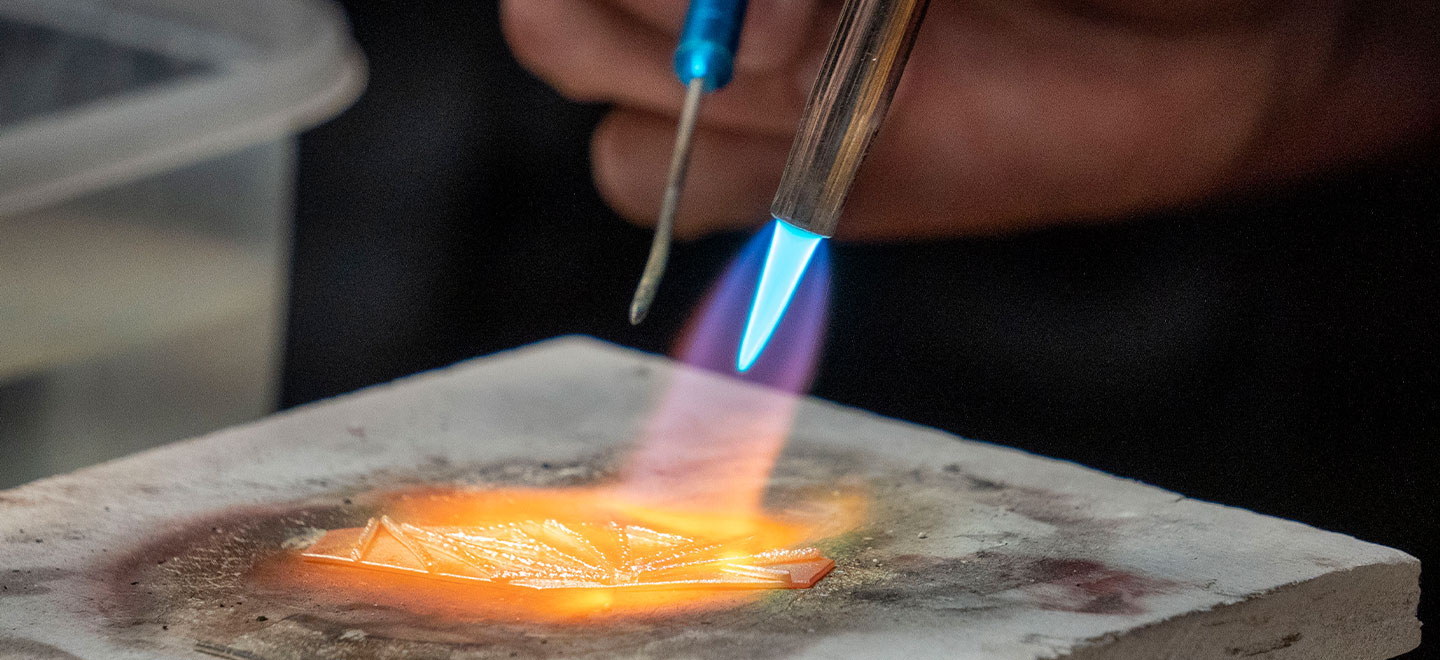
When repairing a silver chain, a jeweler may use a torch to join the pieces with hard silver solder, as a soldering iron cannot provide adequate heat for this application.

Credit: www.sciencebuddies.org
Real-world Applications: Electronics, Jewelry, And Metalwork
Electronics: Soldering With Silver Alloys
In electronics assembly, silver-bearing solders (like Sn96.5Ag3.0Cu0.5) are valued for their conductivity and reliability. These solders melt at around 217°C, 221°C, making them ideal for use with standard soldering irons. The small percentage of silver improves joint strength without requiring higher temperatures.
Example: Surface-mount device (SMD) assembly lines often use silver-tin solders for improved thermal cycling performance.
Jewelry Making: The Need For Higher Temperatures
In jewelry, joining or repairing sterling silver pieces usually requires hard silver solder and a torch. The intense, localized heat ensures strong, nearly invisible joints without damaging the surrounding metal or stones.
Case Study: A jeweler repairing a sterling silver ring will use a butane or propane torch, heating the joint to over 700°C, allowing the hard silver solder to flow and create a seamless bond.
Metalworking And Artistic Applications
Artists and metalworkers who cast silver into ingots or shapes must melt the metal completely. They use crucibles and high-temperature furnaces or torches, as soldering irons are utterly inadequate for this purpose.
Example: A silversmith casting a small sculpture will melt pure silver in a crucible using an induction furnace set to at least 1000°C.
Diy And Home Repairs
For hobbyists repairing silver-plated items or simple electronics, a soldering iron with silver solder is often sufficient. However, the joint will not be pure silver, and care must be taken to match the solder’s properties to the task.
Pro Tip: Always check the solder’s melting point and composition to ensure compatibility with your soldering iron and base metals.
Alternatives To Soldering Irons For Melting Silver
Torches: Propane, Butane, And Oxy-acetylene
Torches are the most common tool for melting silver outside industrial settings. Propane and butane torches can reach temperatures of 1,800°C, 1,970°C, easily melting silver.
- Butane torches: Ideal for small jewelry jobs, portable and affordable.
- Propane torches: Versatile, widely available, suitable for larger jobs.
- Oxy-acetylene torches: Provide even higher temperatures and control for professional settings.
Electric Furnaces
For batch melting or casting, electric furnaces offer precise temperature control and safety features. These are used in both jewelry studios and small-scale refining operations.
- Temperature range: 1,000°C, 1,200°C
- Capacity: Varies from a few grams to several kilograms
Induction Melters
Induction melters use electromagnetic fields to heat metals rapidly and efficiently. They are common in industrial settings due to their speed and even heating.
- Advantages: Precise, clean, and energy-efficient
- Disadvantages: High cost, complexity
Comparison Table: Heat Sources For Melting Silver
| Heat Source | Max Temperature (°C) | Suitable for Melting Silver? | Typical Use |
|---|---|---|---|
| Soldering Iron | 480 | No | Electronics, soft soldering |
| Butane Torch | 1,970 | Yes | Jewelry repair, small casting |
| Propane Torch | 1,980 | Yes | Jewelry, plumbing |
| Electric Furnace | 1,200 | Yes | Batch melting, refining |
| Induction Melter | 2,000+ | Yes | Industrial casting |
Cost And Accessibility
- Torches: $20, $200 (consumer-grade to professional)
- Electric furnaces: $150, $1,000+
- Induction melters: $1,000 and up
Pro Tip: For most DIY and jewelry tasks involving pure silver, a propane or butane torch offers the best balance of cost, temperature, and portability.
Safety Considerations When Working With Silver And High Temperatures
Risks Of Overheating Tools
Attempting to push a soldering iron beyond its limits can result in:
- Electrical hazards
- Burned-out heating elements
- Damaged soldering tips
Handling Molten Silver
Molten silver poses serious risks, including burns, toxic fumes (especially if impurities are present), and fire. Always use:
- Heat-resistant gloves and eye protection
- Proper ventilation
- Fire-resistant surfaces
Metal Fume Inhalation
Heating silver-plated or unknown alloys can release hazardous fumes, such as cadmium or lead. Never melt or solder unknown metals without proper fume extraction.
Warning: Never use a soldering iron to attempt to melt or vaporize unknown metals, serious injury or poisoning can result.
Tool Maintenance
Regularly inspect and maintain your soldering iron and other heating tools. Damaged cords, loose connections, or corroded tips can cause electrical shocks or inconsistent heating.
Personal Protective Equipment (ppe)
- Safety goggles
- Heat-resistant gloves
- Apron and closed-toe shoes
Case Studies: Successes And Failures In Melting Silver
Case Study 1: Electronics Repair With Silver Solder
A technician repairing a high-end audio amplifier used a silver-bearing solder (Sn96.5Ag3.0Cu0.5) with a standard soldering iron. The result was a reliable, low-resistance joint that maintained performance under thermal cycling. This illustrates the proper use of a soldering iron with silver-containing alloys, rather than pure silver.
Case Study 2: Jewelry Casting Attempt With Soldering Iron
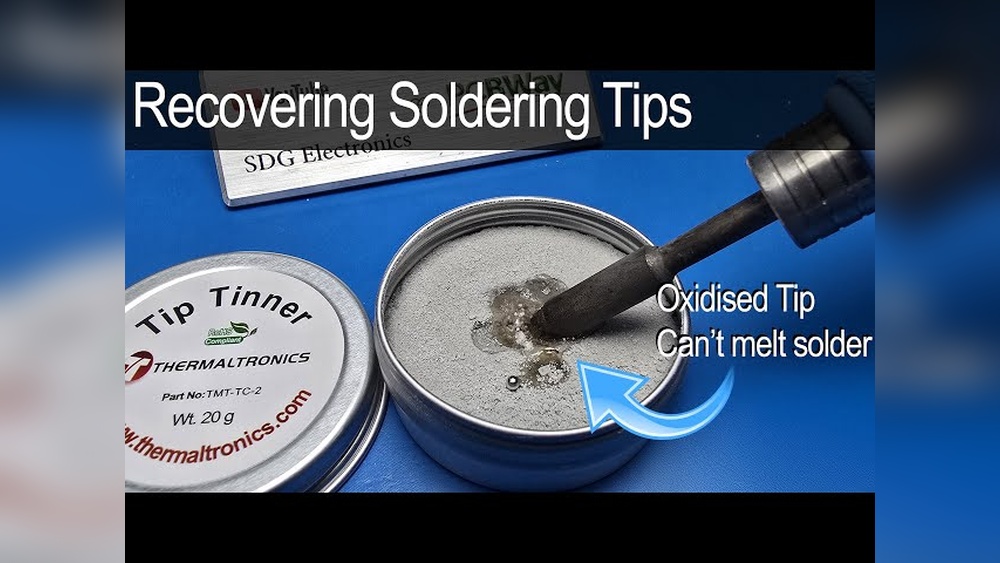
A hobbyist attempted to melt scrap silver coins using a 60W soldering iron, expecting to create a small ingot. After prolonged heating, the silver barely softened, and the iron’s tip became oxidized and unusable. This underscores the limitations of soldering irons for melting pure silver.
Case Study 3: Professional Jewelry Repair
A jeweler repairing a broken sterling silver pendant used a propane torch and hard silver solder, achieving a seamless, durable joint. This demonstrates the necessity of choosing an appropriate heat source for the material and application.
Choosing The Right Tool For Your Silver Project
Assessing The Task
Before beginning any project involving silver, ask:
- Are you joining pieces (soldering), or melting for casting/refining?
- What is the melting point of the materials involved?
- What tools do you already own, and what is your budget for new equipment?
Matching Tools To Materials
- Soldering iron: Ideal for soft silver solder in electronics, not for melting or casting pure silver.
- Torch or furnace: Required for melting, casting, or hard soldering of pure silver.
Tool Features To Consider
- Temperature control: Essential for precision work.
- Thermal mass: Important for sustained heating.
- Tip or nozzle shape: Impacts heat distribution and access.
Sourcing Silver Solder And Alloys
Purchase silver solder from reputable suppliers, verifying its composition and melting point. Avoid low-quality or counterfeit products, as they may contain hazardous impurities.
Pro Tip: Check supplier certifications and reviews when sourcing silver solder or alloys.
Maintenance And Longevity
To extend the life of your soldering iron:
- Use appropriate solders (avoid overheating)
- Clean the tip after each use
- Replace worn or damaged tips immediately
Environmental And Economic Considerations
Recycling And Reusing Silver
Silver is a precious and recyclable metal. Many jewelers and metalworkers collect filings, offcuts, and old pieces for melting and reuse. This requires proper melting equipment, as soldering irons are inadequate.
Cost Of Silver And Tools
As of 2026, silver prices fluctuate around $25, $30 per troy ounce (source: Kitco). Investing in proper melting equipment can maximize the value recovered from scrap silver.
Environmental Impact
- Proper ventilation and fume extraction reduce exposure to hazardous byproducts.
- Recycling silver minimizes mining impact and supports sustainability.
- Tool maintenance extends equipment life and reduces electronic waste.
Responsible Disposal
Never dispose of silver waste, spent solder, or damaged tools in regular trash. Use designated recycling or hazardous waste facilities.
Frequently Asked Questions
Can I Use A Soldering Iron To Repair A Broken Silver Chain?
While a soldering iron can join very small silver components using soft silver solder, most silver chains require hard soldering at higher temperatures. For professional-quality repairs, a torch and hard silver solder are recommended, as they provide the necessary strength and seamless finish for silver jewelry.
What Is The Difference Between Silver Solder And Lead-based Solder?
Silver solder contains a percentage of silver (often 2, 5% in electronics, up to 75% in jewelry), which enhances strength and conductivity. Lead-based solder, banned in many applications for safety reasons, melts at lower temperatures but lacks the durability and performance of silver alloys.
Always check local regulations before selecting a solder type.
Are There Health Risks When Melting Silver Or Silver Solder?
Melting pure silver poses minimal health risks if proper safety precautions are followed. However, melting silver alloys or plated items can release hazardous fumes, especially if they contain cadmium or lead. Always use fume extraction, PPE, and never attempt to melt unknown materials. For more information, refer to the OSHA guidelines on metal fumes.
Why Doesn’t My High-wattage Soldering Iron Melt Silver Wire?
Even high-wattage soldering irons are limited by their maximum temperature output, which rarely exceeds 480°C. Since silver melts at 962°C, the iron simply cannot provide enough heat, regardless of wattage. Using an appropriate torch or furnace is the only way to melt silver wire.
What Are Safe Alternatives To Soldering Irons For Home Silver Casting?
For small-scale home casting, a butane or propane torch is both accessible and effective, reaching the necessary temperatures to melt silver safely. Always work in a well-ventilated area, wear protective gear, and use a fireproof workspace. Electric furnaces designed for jewelry are also a safe and precise alternative if your budget allows.
Working with silver can be both rewarding and challenging. Understanding the limitations of a soldering iron is critical for achieving professional results and maintaining safety. While soldering irons are excellent for joining with silver-bearing solders in electronics and small repairs, melting pure silver requires dedicated high-temperature equipment.
Investing in the right tools, following safety protocols, and sourcing quality materials will ensure your silver projects are both successful and sustainable.