
A soldering iron is an indispensable tool for electronics hobbyists, technicians, and engineers alike. Yet, even the most reliable soldering iron can run into problems, with the tip being the most frequent source of issues. A dirty, oxidized, or damaged tip can make soldering frustrating, lead to poor connections, and even damage sensitive components. Whether you’re repairing a circuit board, assembling a kit, or troubleshooting an appliance, knowing how to fix a soldering iron tip is essential for maintaining quality and efficiency in your work.
Understanding the anatomy, common failures, and effective repair strategies for soldering iron tips gives you control over your tools and projects. This article provides a comprehensive, data-driven guide to diagnosing, cleaning, repairing, and maintaining soldering iron tips. You’ll find actionable advice, real-world examples, comparison tables, and expert tips to ensure your soldering iron performs at its best, saving time, money, and unnecessary frustration.
Key Takeaways
- Soldering iron tip issues are often caused by oxidation, residue buildup, or physical damage.
- Proper cleaning and maintenance can significantly extend tip lifespan and improve performance.
- Repairing tips involves careful cleaning, re-tinning, and, if necessary, replacing the tip.
- The right tools and techniques minimize downtime and ensure reliable solder joints.
- Understanding tip materials and maintenance routines is crucial for both beginners and professionals.

Credit: www.youtube.com
Understanding Soldering Iron Tips
The soldering iron tip is the point of contact between the tool and your workpiece, responsible for transferring heat and melting solder. Its condition directly affects the quality of your solder joints. Tips come in various shapes and materials, each suited for different tasks.
Anatomy And Materials
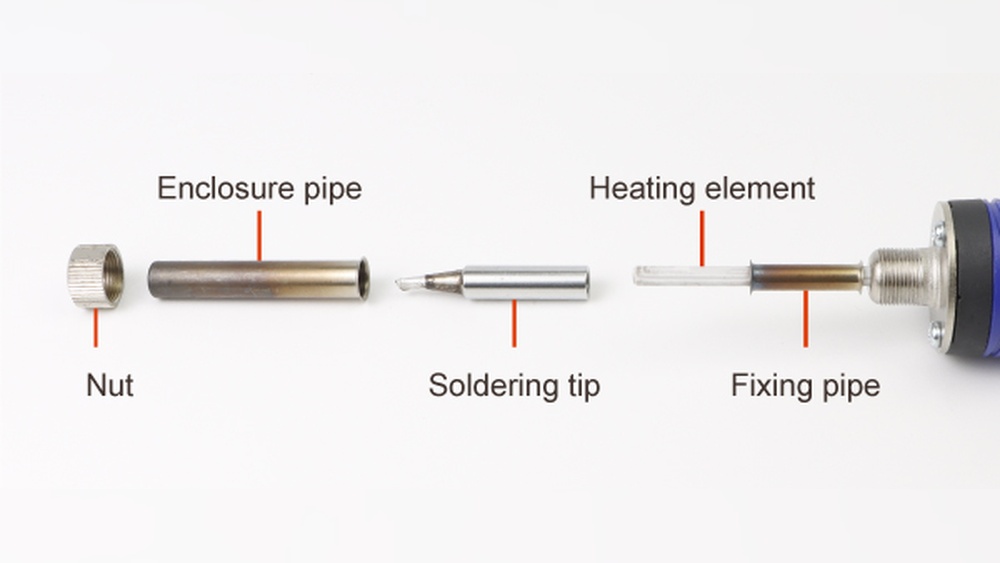
Soldering iron tips typically consist of a copper core for efficient heat transfer, coated with iron plating to resist corrosion and wear. Some tips have additional nickel or chromium layers for durability. The shape, chisel, conical, or screwdriver, determines how heat is delivered.
Example: A chisel tip is preferred for surface-mount components due to its broad contact area, while a fine conical tip is ideal for precision soldering.
Common Tip Shapes
- Chisel: Broad, flat tip for general use and surface-mount components.
- Conical: Pointed for precision work and small pads.
- Screwdriver: Flat edge for larger pads and wires.
Why Tips Fail
Failure typically arises from:
- Oxidation: Exposure to air and heat causes the tip to oxidize, reducing heat transfer.
- Residue buildup: Flux, solder, and dirt accumulate on the surface.
- Physical damage: Scratches, pitting, and deformation from abrasive cleaning or overheating.
- Tip erosion: Prolonged use or improper care wears away protective layers, exposing copper.
Pro Tip: Never use abrasive tools like sandpaper on the tip, as this removes protective plating and accelerates wear.

Credit: www.instructables.com
Diagnosing Soldering Iron Tip Problems
Effective repair begins with accurate diagnosis. Identifying the exact issue will dictate the repair method and prevent unnecessary replacement.
Visual Inspection
Examine the tip for:
- Discoloration: Black or dull gray indicates oxidation.
- Surface residue: Sticky, crusty, or burnt material may be flux or solder residue.
- Physical damage: Deep scratches, pits, or bent tips signal structural issues.
Performance Indicators
Signs of a faulty tip include:
- Poor solder flow: Solder doesn’t melt evenly or sticks to the tip.
- Inconsistent heating: Tip doesn’t maintain stable temperature.
- Difficulty tinning: Solder fails to adhere to the tip.
Example: In my experience, a tip that struggles to pick up solder, even after cleaning, is often suffering from severe oxidation or internal corrosion.
Comparing Symptoms
| Symptom | Possible Cause | Repair Method |
|---|---|---|
| Blackened tip | Oxidation | Cleaning and re-tinning |
| Solder won’t stick | Residue or damage | Clean, inspect, replace if needed |
| Tip loses shape | Physical erosion | Replacement |
| Erratic heating | Internal corrosion | Replace tip or iron |
Cleaning Soldering Iron Tips
Routine cleaning is the most effective way to fix and prevent tip problems. Proper techniques restore performance and prolong tip life.
Methods For Cleaning
- Dry Cleaning with Brass Wool
- Gently scrub the hot tip in brass wool to remove oxidation and residue. Brass is softer than iron plating, preventing damage.
- Avoid steel wool, which can scratch the tip.
- Wet Sponge Cleaning
- Use a damp cellulose sponge to wipe the tip. Moisture helps remove solder and flux but can cause thermal shock if excessively wet.
- Squeeze out excess water before use.
- Tip Tinner and Cleaner
- Specialized compounds, often containing solder and flux, restore tip condition by removing oxides and re-tinning in one step.
- Follow manufacturer instructions for best results.
- Chemical Cleaning
- For severe oxidation, use tip cleaning solutions designed for soldering tools. These dissolve stubborn residue and oxides.
- Avoid household cleaners, which can damage the tip.
Step-by-step Cleaning Guide
- Heat the soldering iron to working temperature.
- Wipe the tip gently in brass wool or a damp sponge.
- Apply tip tinner if needed; allow it to melt and coat the tip.
- Wipe again, then apply fresh solder to re-tin the surface.
- Inspect the tip; repeat cleaning if residue remains.
Warning: Never immerse the tip or iron in water; this can cause electrical hazards and damage internal components.
Comparison Of Cleaning Methods
| Method | Effectiveness | Risk to Tip | Cost |
|---|---|---|---|
| Brass Wool | High | Low | Moderate |
| Damp Sponge | Medium | Medium (thermal shock) | Low |
| Tip Tinner | Very High | Very Low | High |
| Chemical Cleaner | High | Medium | High |
Real-world Example: Cleaning A Burnt Tip
A technician working on a repair job noticed his tip was blackened and wouldn’t pick up solder. He used brass wool for initial cleaning, then applied tip tinner. After wiping, the tip regained its shiny appearance, and solder flowed smoothly again.

Credit: www.youtube.com
Repairing Damaged Soldering Iron Tips
When cleaning isn’t enough, repair procedures can restore or salvage damaged tips. The goal is to restore heat transfer and solder adhesion without further harming the tip.
Re-tinning The Tip
Re-tinning involves coating the tip with fresh solder to protect it and improve heat transfer.
Steps:
- Heat the iron to the recommended temperature.
- Clean the tip thoroughly.
- Apply a generous amount of solder to the tip.
- Allow solder to spread evenly; wipe off excess.
- Repeat as needed until the tip is shiny and silver.
Removing Severe Oxidation
For tips with stubborn oxidation:
- Use a tip tinner/cleaner compound.
- If unavailable, rub the tip gently with brass wool, then re-tin.
- Avoid aggressive scraping, which removes protective plating.
Fixing Deformed Tips
Minor deformation can sometimes be corrected:
- Carefully file the tip with a fine diamond file (only if the tip is already damaged and replacement is not an option).
- Restore shape, then re-tin immediately.
Warning: Filing removes protective plating, so this is a last resort. Replace the tip as soon as possible.
When To Replace The Tip
If the copper core is exposed, the tip is deeply pitted, or it cannot be restored after cleaning and re-tinning, replacement is necessary. Using a damaged tip can:
- Cause poor joints
- Damage components
- Waste time
Example: An electronics lab replaced tips every 4-6 months due to intensive use, finding that regular cleaning reduced replacements by 40%.
Comparison: Repair Vs Replacement
| Condition | Repair Feasibility | Recommended Action |
|---|---|---|
| Minor oxidation | Easy | Clean and re-tin |
| Heavy residue | Moderate | Chemical cleaning |
| Deep pits/exposed copper | Impossible | Replace tip |
| Bent/deformed tip | Difficult | File and re-tin or replace |
Preventing Soldering Iron Tip Problems
Prevention is the best strategy for maintaining soldering iron tips. Proper routines and careful use minimize wear and maximize lifespan.
Regular Maintenance
- Clean the tip after every soldering session.
- Re-tin the tip before storing the iron.
- Use only recommended cleaning tools (brass wool, damp sponge).
Temperature Management
- Avoid excessive heat; high temperatures accelerate oxidation and wear.
- Use temperature-controlled irons when possible.
- Turn off the iron when not in use.
Solder And Flux Quality
- Use high-quality solder with appropriate flux. Low-grade solder can leave residues and damage the tip.
- Avoid acidic or corrosive fluxes unless necessary.
Storage Best Practices
- Store the iron in a stand, not lying flat.
- Keep tips dry and protected from dust and corrosive materials.
- Cover the tip with a thin coat of solder to prevent oxidation.
Example: A hobbyist reported that switching to temperature-controlled irons and storing tips properly reduced tip replacements from twice a year to once every two years.
Common Mistakes To Avoid
- Using abrasive cleaners (sandpaper, files) routinely
- Leaving the tip dry after use
- Applying excessive force while soldering
- Using old or contaminated solder
Real-world Examples And Case Studies
Electronics Assembly Line
An electronics manufacturing facility tracked tip replacements and downtime over a one-year period. Implementing regular cleaning and temperature control reduced tip failures by 35%, saving thousands in replacement costs and improving productivity.
Diy Repair Scenario
A hobbyist repairing a vintage radio found his soldering iron tip was constantly oxidizing. After switching to high-quality solder and using tip tinner, he completed the repair without further issues and observed smoother soldering for subsequent projects.
Educational Lab Experience
In a university lab, students were trained to maintain their soldering iron tips with proper cleaning and storage. The lab reported a 50% decrease in tip replacements over the semester, with improved solder joint quality.
Choosing The Right Soldering Iron Tip
Selecting the appropriate tip for your task is crucial for both performance and longevity.
Tip Shape Selection
- Chisel tips: Best for general work and larger pads.
- Conical tips: Ideal for precision and fine-pitch components.
- Screwdriver tips: Suited for wire connections and broader surfaces.
Material And Compatibility
- Confirm tip material matches your iron model (most irons use iron-plated copper).
- Use manufacturer-recommended tips for best results.
Cost And Availability
- Quality tips typically cost $5, $20 each, depending on brand and material.
- Generic tips may be cheaper but often wear faster.
Comparison Table: Tip Types
| Tip Type | Best Use | Durability | Average Cost |
|---|---|---|---|
| Chisel | General, large pads | High | $10, $20 |
| Conical | Precision work | Medium | $8, $15 |
| Screwdriver | Wires, broad surfaces | High | $12, $18 |
Pro Tip: Always keep spare tips on hand for emergencies or when tackling varied soldering tasks.
Tools And Products For Fixing Soldering Iron Tips
Having the right tools makes fixing and maintaining soldering iron tips easier and safer.
Essential Tools
- Brass wool: For safe dry cleaning.
- Tip tinner/cleaner: For restoring oxidized tips.
- Damp sponge: For routine cleaning.
- Soldering iron stand: For safe storage.
- Diamond file: For emergency tip reshaping.
- Temperature-controlled iron: For precise heat management.
Recommended Products
- Hakko Tip Cleaner: Widely used for restoring tips.
- Weller Brass Wool: Compatible with most brands.
- Kester Solder: High-quality solder for improved tip life.
External Resource
For a detailed breakdown of soldering iron maintenance, visit Wikipedia’s Soldering Iron article.
Safety Considerations
- Always unplug the iron before replacing or filing the tip.
- Wear safety glasses when cleaning tips.
- Handle chemical cleaners with care.
Warning: Improper handling can cause burns or electrical hazards. Refer to manufacturer guidelines for your specific model.
Advanced Tip Restoration Techniques
When standard methods fail, advanced restoration may salvage heavily damaged tips.
Electrochemical Cleaning
Some labs use electrochemical baths to remove oxidation without abrasive action. This requires specialized equipment and is not recommended for beginners.
Replating Tips
Industrial processes can restore iron plating, but this is generally cost-prohibitive for individuals. Most users should replace tips rather than attempt replating.
Diy Restoration
- Light filing can reshape tips in emergencies.
- Immediate re-tinning is essential after any abrasive action.
Professional Services
Some electronics repair shops offer tip restoration services for high-end irons. Evaluate cost versus replacement before opting for professional restoration.
Example: A technician salvaged a rare, discontinued tip using a diamond file and tip tinner, extending its life by several months until a replacement became available.
Frequently Asked Questions
How Often Should I Clean My Soldering Iron Tip?
For optimal performance, clean the tip after every soldering session and periodically during extended use. Frequent cleaning prevents residue buildup and minimizes oxidation, ensuring reliable heat transfer and solder adhesion.
Is It Safe To Use Household Cleaners On Soldering Iron Tips?
No. Household cleaners can damage the tip’s protective plating and leave residues that interfere with soldering. Always use products specifically designed for soldering iron tip maintenance, such as tip tinner or chemical cleaners recommended by the manufacturer.
Can I Repair A Tip That Has Exposed Copper?
Once the copper core is exposed, the tip’s protective iron plating is gone, making it prone to rapid corrosion and poor heat transfer. While temporary fixes may be possible, it is strongly recommended to replace the tip to avoid damaging components and ensure quality solder joints.
What Is The Best Way To Store Soldering Iron Tips When Not In Use?
Apply a thin coat of fresh solder to the tip before turning off the iron; this prevents oxidation during storage. Store the iron in a dedicated stand, away from moisture and corrosive materials, and keep spare tips in sealed containers.
Are Generic Replacement Tips As Good As Branded Tips?
Generic tips may be less expensive but often lack the durability and precise fit of branded tips. They tend to wear faster and may not provide consistent heat transfer. For professional or frequent use, branded tips from your soldering iron’s manufacturer are recommended.
Additional Resources And Further Reading
For more information on soldering iron maintenance and tip care, consider these authoritative resources:
- Hakko Tip Selection Guide
- Soldering Iron Maintenance at Electronics Tutorials
Mastering soldering iron tip repair and maintenance is a cornerstone of quality electronics work. With the right techniques, tools, and routines, you can ensure your soldering iron delivers consistent results and extends its useful life. Whether you’re a hobbyist or a professional, investing in tip care translates directly to improved project outcomes, fewer frustrations, and lasting performance.